A hydrotherapy machine is a specialized water-based therapeutic device that uses temperature-controlled water, pressure jets, and advanced technologies like oxygen nanobubbles to deliver healing, recovery, and wellness benefits. These systems range from simple whirlpool tubs ($2,000-$5,000) to advanced oxygen nanobubble systems ($9,650-$42,000) used by professional athletes and medical facilities. The right hydrotherapy equipment depends on your recovery goals, budget, space constraints, and whether you need clinical-grade features or home wellness support.
Understanding Modern Hydrotherapy Technology
Hydrotherapy—the therapeutic use of water—has evolved dramatically from ancient Roman baths to today's precision-engineered recovery systems. Modern hydrotherapy equipment incorporates multiple therapeutic mechanisms that work synergistically to accelerate healing and reduce inflammation.
Core Hydrotherapy Mechanisms
Contemporary hydrotherapy machines deliver therapeutic benefits through several scientifically validated pathways:
- Hydrostatic pressure: Water immersion creates external pressure that reduces swelling and improves circulation by pushing fluid from tissues back into the vascular system
- Temperature therapy: Controlled heat (92-104°F) dilates blood vessels and relaxes muscles, while cold therapy (50-60°F) reduces inflammation and metabolic activity
- Buoyancy effects: Water supports 90% of body weight, reducing joint stress and enabling pain-free movement for rehabilitation
- Massage action: Targeted water jets provide mechanical stimulation that breaks up muscle adhesions and trigger points
- Oxygen delivery: Advanced systems like Bimini's NanoJet technology infuse water with 300+ million nanobubbles per milliliter, delivering oxygen transdermally through the skin
The most advanced hydrotherapy machines combine all these mechanisms simultaneously. A Rice University study on nanobubble hydrotherapy demonstrated 46% faster recovery in muscle tissue when oxygen nanobubbles were incorporated into immersion therapy compared to standard hydrotherapy alone.
Types of Hydrotherapy Machines and Equipment
The hydrotherapy market offers numerous equipment categories, each designed for specific therapeutic applications and user environments. Understanding these distinctions helps you identify which water therapy machine aligns with your needs.
Whirlpool and Jetted Tubs
Traditional whirlpool systems represent the entry level of hydrotherapy technology. These units circulate water through jets to create massage action and typically cost between $2,000-$8,000 for residential models.
Advantages: Lower initial investment, familiar technology, widely available service providers
Limitations: Basic therapeutic benefits, high water and energy consumption, limited temperature precision, no oxygen delivery mechanism
Cold Plunge and Contrast Therapy Systems
Cold immersion tubs maintain water temperatures between 39-60°F for cryotherapy benefits. High-end models like those from ColdTub and Plunge range from $4,000-$10,000.
These systems excel at reducing acute inflammation and activating the sympathetic nervous system. Professional athletes often alternate between cold plunge and hot therapy in a protocol called contrast therapy, though this requires two separate systems or a rare dual-temperature unit.
Compression Therapy Chambers
While not traditional hydrotherapy chambers, pneumatic compression devices like NormaTec systems ($1,500-$4,000) use air pressure rather than water. These are portable and convenient but lack the hydrostatic, temperature, and oxygen benefits of water immersion.
Medical-Grade Hydrotherapy Tanks
Clinical facilities use specialized immersion tanks with precise temperature control, underwater treadmills, or resistance jets. Companies like HydroWorx and SwimEx produce systems ranging from $25,000-$80,000+ designed for physical therapy clinics and sports medicine centers.
These systems offer the most precise control but require significant installation infrastructure, dedicated space (often 100+ square feet), and professional operation.
Oxygen Nanobubble Hydrotherapy Systems
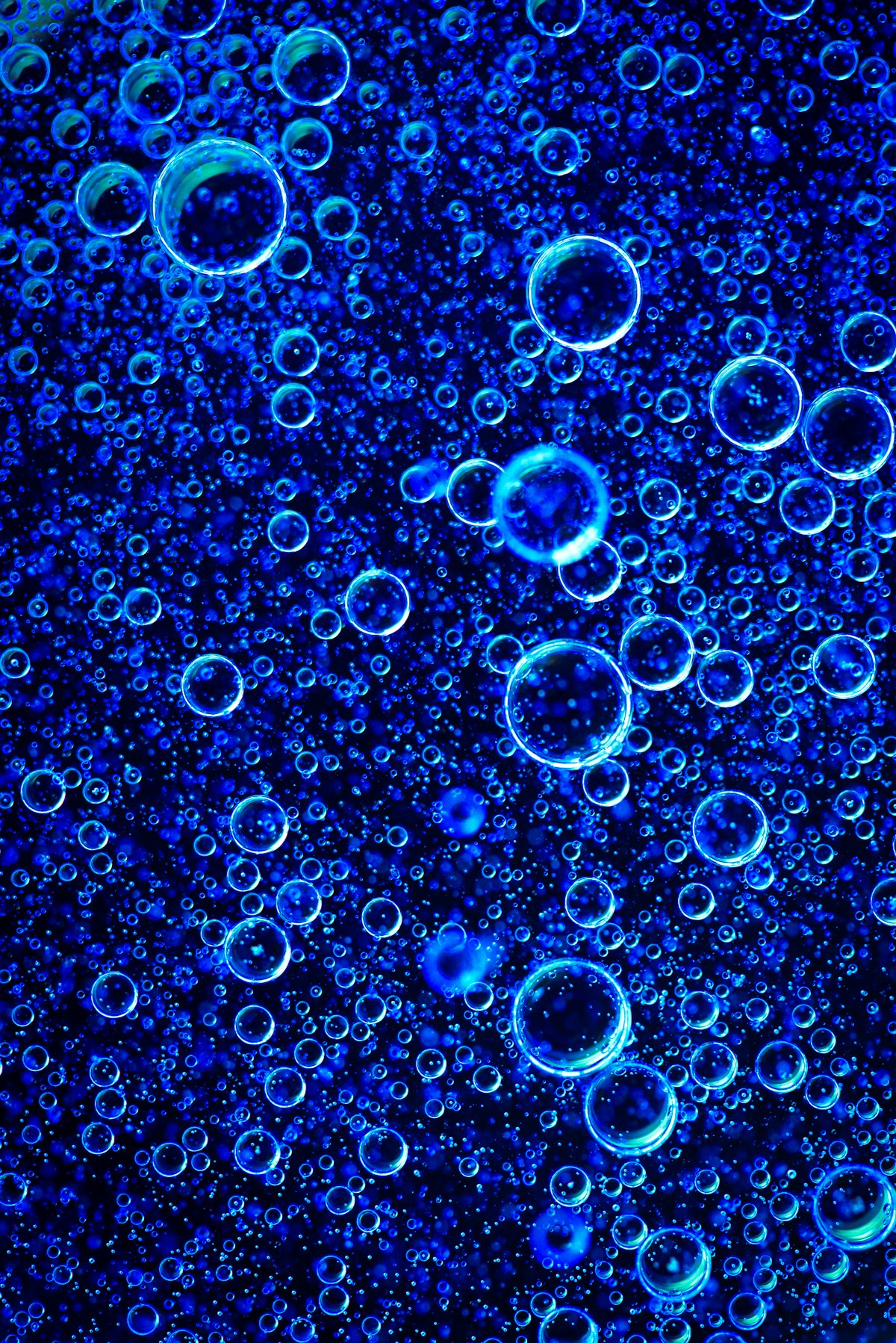
The newest category of hydrotherapy technology uses nanobubble generators to supersaturate water with dissolved oxygen at concentrations 10-20x higher than normal water. This emerging science leverages nanobubbles measured at 0.01 microns—approximately 5,000 times smaller than human pores.
At this microscopic scale, oxygen can penetrate the stratum corneum (skin's outer barrier) and deliver oxygen directly to tissues through transdermal absorption. Bimini's NanoJet systems generate 300+ million oxygen nanobubbles per milliliter, creating a therapeutic bath that combines traditional hydrotherapy with cellular oxygenation.
"Oxygen nanobubble hydrotherapy represents a paradigm shift from mechanical water therapy to cellular-level oxygen delivery. We're seeing recovery markers improve by 40-50% when athletes incorporate nanobubble immersion into their protocols." — Dr. Marcus Elliott, Peak Performance Project
Hydrotherapy Equipment for Home Use: What to Consider
Selecting the right hydrotherapy equipment for home requires balancing therapeutic effectiveness against practical constraints. More than 60% of home hydrotherapy purchases fail to meet user expectations due to inadequate needs assessment.
Space and Installation Requirements
Most home environments can accommodate compact systems, but larger units require structural evaluation:
- Portable systems: Inflatable cold tubs and small soaking tubs (50-80 gallons) fit in bathrooms or patios with standard 120V electrical and no structural modifications
- Built-in installations: Permanent hydrotherapy tubs require reinforced flooring (500-800 lbs total weight), dedicated 240V circuits, proper drainage, and often GFCI protection
- Freestanding units: Self-contained systems like the Bimini NanoJet Eco operate on standard electrical outlets and require only 4x4 feet of floor space
Operating Costs and Maintenance
Beyond purchase price, ongoing expenses significantly impact total ownership cost:
Energy consumption: Heating 100-200 gallons from 60°F to 102°F requires 7-14 kWh per session. At national average rates ($0.14/kWh), this costs $1-2 per use. Systems with efficient insulation and circulation pumps can reduce this by 30-40%.
Water usage: Traditional systems require full water changes, consuming 80-150 gallons per session. Advanced filtration systems allow water reuse for 3-6 months, dramatically reducing water costs and environmental impact.
Chemical maintenance: Standard hydrotherapy tubs require chlorine or bromine sanitization ($20-40/month). Oxygen nanobubble systems have inherent antimicrobial properties—the supersaturated oxygen environment inhibits bacterial growth, reducing chemical needs by up to 70%.
Therapeutic Goals Alignment
Different water therapy machines excel at specific therapeutic outcomes:
- Acute injury recovery: Cold therapy systems (39-55°F) for first 48-72 hours post-injury
- Chronic pain management: Warm hydrotherapy (98-104°F) with targeted jets for sustained relief
- Athletic performance recovery: Oxygen nanobubble systems that accelerate lactate clearance and reduce oxidative stress
- Sleep and stress: Warm immersion therapy 60-90 minutes before bedtime triggers thermoregulatory sleep mechanisms
- Skin health: Oxygen-rich water therapy improves dermal oxygenation and collagen synthesis
Commercial Hydrotherapy Equipment: Facility Considerations
Healthcare facilities, sports performance centers, and wellness spas face distinct requirements when selecting hydrotherapy chambers and immersion systems for commercial applications.
Throughput and Durability
Commercial systems must withstand 5-15+ daily sessions with minimal maintenance intervals. Industrial-grade pumps, corrosion-resistant materials (316 stainless steel or marine-grade composites), and robust heating elements are essential.
The Bimini NanoJet Pro exemplifies commercial-grade construction, designed for 20+ weekly sessions with a 10-year component lifespan when properly maintained.
Sanitation and Safety Compliance
Facilities must meet local health department standards for water quality, temperature limits, and accessibility. Key requirements often include:
- NSF-certified filtration systems
- Automatic chemical dosing with monitoring
- Temperature limiting (maximum 104°F) with safety shutoffs
- ADA-compliant entry/exit mechanisms
- Regular water quality testing documentation
Revenue Generation and ROI
Premium hydrotherapy equipment creates multiple revenue streams for commercial facilities. Oxygen nanobubble therapy sessions command $75-150 per session at high-end recovery centers. With operational costs under $5 per session, a system processing 15 sessions weekly generates $45,000-$90,000 annually with 90%+ gross margins.
Many facilities report equipment payback periods of 6-14 months when hydrotherapy becomes a signature service offering. Over 100 facilities nationwide now feature Bimini hydrotherapy as a premium recovery modality.
Hydrotherapy Machine Costs: Investment Analysis
Understanding the full financial picture helps determine which immersion bath tub or therapy system represents the best value for your specific situation.
Price Ranges by Category
- Basic whirlpool tubs: $2,000-$5,000 (consumer-grade)
- Cold plunge systems: $4,000-$10,000 (residential/light commercial)
- Home oxygen hydrotherapy: $9,650-$15,000 (advanced home systems like the Bimini NanoJet Eco)
- Commercial hydrotherapy tubs: $18,500-$35,000 (professional-grade immersion systems)
- Premium hydrotherapy lounges: $40,000-$75,000 (full-body systems like the Bimini HydroLounge)
- Medical-grade underwater treadmills: $50,000-$120,000 (clinical rehabilitation equipment)
Value Assessment Framework
Rather than focusing solely on acquisition cost, evaluate hydrotherapy investments using a value-per-benefit calculation:
Cost per therapeutic mechanism: A $3,000 cold tub delivers one primary benefit (temperature therapy). A $9,650 oxygen nanobubble system delivers five mechanisms (temperature, pressure, buoyancy, oxygenation, and natural sanitization), equating to $1,930 per therapeutic pathway.
Session cost calculation: A system used 4 times weekly for 5 years (1,040 sessions) with $2,000 in operating costs translates to total session costs of $11.21 for a $9,650 system versus $4.81 for a $3,000 basic tub. However, if the advanced system delivers 2x the recovery benefit, the cost-per-outcome favors the more sophisticated technology.
Financing and Payment Options
Medical equipment financing typically offers 36-60 month terms at 6-10% APR for qualified buyers. Some manufacturers provide lease-to-own programs, while healthcare FSA/HSA accounts can fund hydrotherapy equipment with a physician prescription for documented medical conditions.
How to Choose the Right Hydrotherapy System
A systematic selection process prevents costly mismatches between equipment capabilities and user needs.
Step 1: Define Primary Use Cases
Rank your therapeutic priorities: acute injury recovery, chronic pain relief, athletic performance, sleep optimization, or skin health. Systems excel in different areas—cold therapy for acute inflammation, warm oxygen therapy for chronic conditions and performance recovery.
Step 2: Assess Space and Infrastructure
Measure available space, electrical capacity (120V vs. 240V), water supply access, and drainage options. Freestanding systems offer maximum flexibility, while built-in installations provide aesthetic integration.
Step 3: Calculate Total Ownership Cost
Project 5-year costs including purchase price, installation, energy, water, chemicals, maintenance, and repairs. Systems with higher acquisition costs often deliver lower operating expenses through superior efficiency and reduced maintenance.
Step 4: Evaluate Scientific Evidence
Request clinical studies, peer-reviewed research, or third-party testing documentation. Evidence-based hydrotherapy systems backed by university research provide confidence in therapeutic claims.
Step 5: Test Before Purchase
Experience systems firsthand when possible. Many manufacturers offer trial programs or demo sessions. Schedule a consultation to experience oxygen nanobubble hydrotherapy and compare it against conventional systems.
Step 6: Consider Future Expansion
Select systems with upgrade pathways or complementary product ecosystems. For example, starting with a home oxygen bath system could expand to include facial care products with dissolved oxygen for comprehensive skin health.
The Future of Hydrotherapy Technology
Emerging innovations continue advancing hydrotherapy effectiveness. Nano-oxygenation represents the current frontier, with research exploring optimal nanobubble concentrations, temperature combinations, and immersion protocols for specific conditions.
Integration with biometric monitoring—tracking heart rate variability, core temperature, and recovery markers during hydrotherapy—enables personalized session parameters. Some systems now feature app connectivity that adjusts temperature and oxygen levels based on real-time physiological feedback.
Sustainability improvements include closed-loop water systems, solar heating integration, and ozone-based sanitization that eliminates harsh chemicals. As professional athletes increasingly adopt oxygen nanobubble therapy, consumer awareness drives demand for evidence-based home systems that deliver clinical-grade benefits.
Conclusion: Selecting Your Optimal Hydrotherapy Solution
The ideal hydrotherapy machine balances therapeutic effectiveness, practical constraints, and long-term value. While entry-level systems provide basic benefits, advanced oxygen nanobubble technology represents a significant leap in recovery science—delivering cellular-level oxygenation that traditional water therapy cannot achieve.
For home users seeking professional-grade recovery, systems like the Bimini NanoJet Eco provide the therapeutic sophistication used by elite athletes in a residential-friendly format. Commercial facilities benefit from the revenue potential and competitive differentiation that cutting-edge hydrotherapy equipment provides.
Whether you're an athlete optimizing performance, a facility enhancing service offerings, or an individual seeking relief from chronic conditions, the right hydrotherapy investment can transform your recovery capabilities. Schedule a demonstration to experience the difference that oxygen nanobubble technology makes in modern hydrotherapy.
The Science of Transdermal Oxygen Therapy
Peer-reviewed research, clinical studies, and the mechanism behind nanobubble oxygen delivery.
Frequently Asked Questions
What is a hydrotherapy machine and how does it work?
How much does a hydrotherapy machine cost?
What's the difference between a hydrotherapy tub and a regular hot tub?
Can I use hydrotherapy equipment at home?
What is oxygen nanobubble hydrotherapy?
How do I choose between cold therapy and warm hydrotherapy?
Experience Oxygen Therapy
Discover how Bimini’s nanobubble technology can transform your recovery and wellness routine.