Bimini NanoJet® O₂ HydroLoungeOxygen Nanobubble Therapy for Spas, Hotels and Clinics
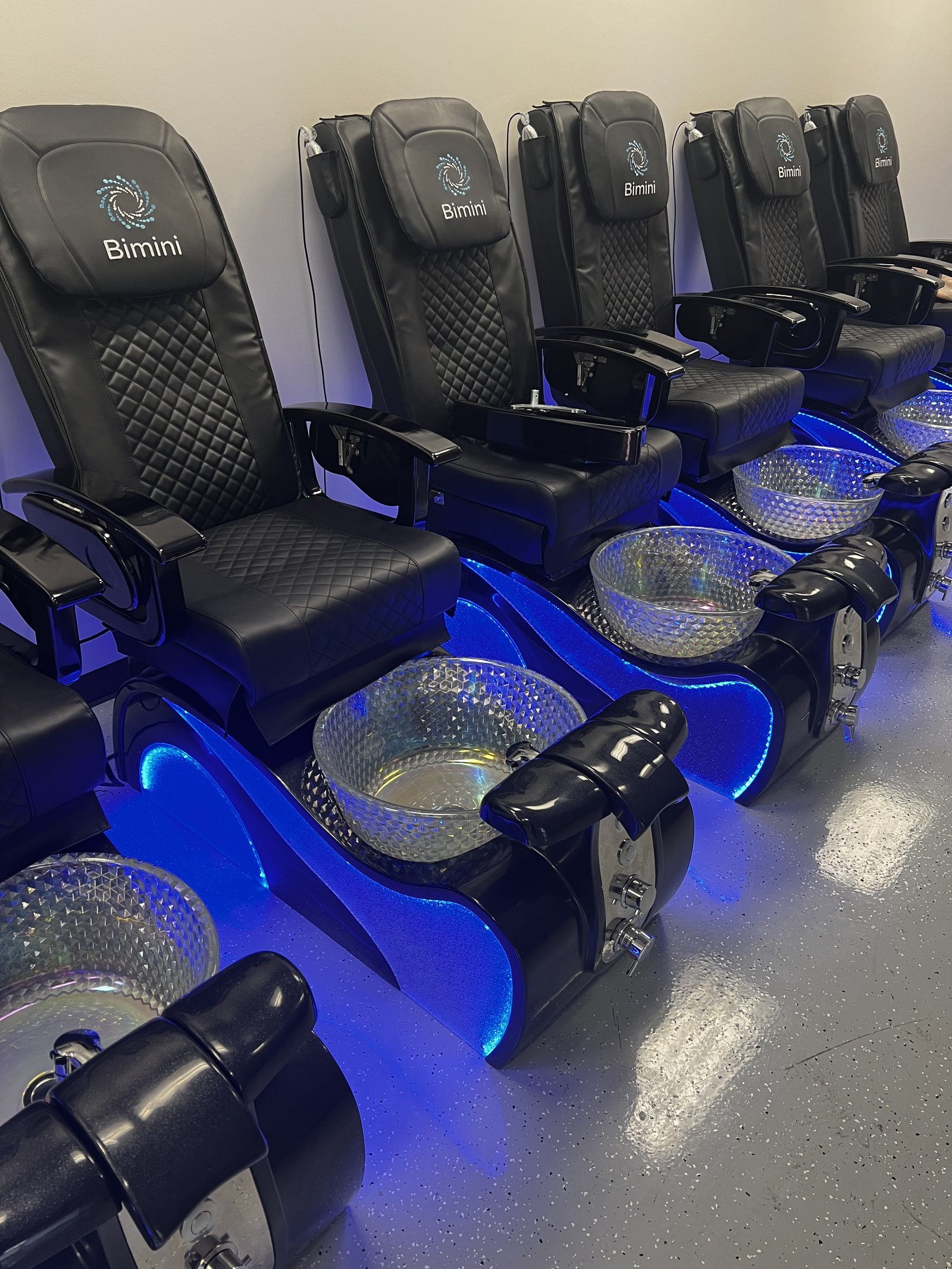
A luxury massage chair with an integrated oxygen nanobubble foot soak. Clients recline for 30 minutes. You bill for a service nobody else in your market offers.

$299/mo for 36 months at 0% APR — $10,750 total
Prequalifying doesn't affect your credit score. See Affirm terms
The Bimini NanoJet O₂ HydroLounge is a commercial oxygen therapy chair for spas, hotels, and wellness clinics. It combines a full-recline massage chair with an oxygen nanobubble foot soak fed by a built-in 5 LPM oxygen concentrator, saturating the water to 28 ppm at 95%+ oxygen purity during a 30-minute session.
Flat-Rate Shipping
30-Day Returns
2 years commercial Warranty
30 days to change your mind.
Have a partner or discount code?
Pay with credit card, debit card, or Affirm financing
What's Included
- Includes 5 LPM Oxygen Concentrator
- Integrated nanobubble generator
- Luxury massage chair with full recline
- Ambient LED lighting system
- Fast drain & refill capability
- Hot/cold water line compatible
- Drain line with built-in drain pump
- 2-year commercial warranty
What is an oxygen therapy chair?
An oxygen therapy chair is a commercial wellness device combining a reclining massage chair with an oxygen-saturated water soak. The Bimini NanoJet O₂ HydroLounge uses a built-in 5 LPM oxygen concentrator to saturate a foot soak to 28 ppm at 95%+ oxygen purity during a 30-minute session.
To be precise about what arrives on the truck: the HydroLounge is a chair with an oxygen FOOT soak — not a full-body immersion tub. For whole-body oxygen immersion, see the NanoJet Pro (uses your existing whirlpool) or the NanoJet Integrated Recovery Tub (tub included).
What does the O₂ HydroLounge earn?
At five sessions per day, 26 operating days per month, and $60 per session, a single O₂ HydroLounge generates $7,800 per month in gross revenue. Bimini partner facilities price oxygen therapy sessions between $50 and $150 depending on market and packaging — the models below use $60 as a conservative midpoint, and every payback figure is labeled gross or net.
| Conservative | Moderate | Strong | |
|---|---|---|---|
| Sessions / day | 3 | 5 | 8 |
| Price / session | $60 | $60 | $60 |
| Operating days / month | 22 | 26 | 26 |
| Gross monthly revenue | $3,960 | $7,800 | $12,480 |
| Gross annual revenue | $47,520 | $93,600 | $149,760 |
| Payback on $10,750 — gross, before operating costs | 2.7 months | 1.4 months | 0.9 months |
Why operating days instead of weeks: a calendar month averages 4.33 weeks, not 5 — modeling on operating days removes the ambiguity that quietly inflates most equipment revenue projections by 15%. Use the calculator below to compute net figures with your own operating costs.
One chair, three revenue streams
Per-session revenue
Single sessions or a recovery add-on tier at $50–$150 per 30-minute session, depending on market and packaging. The table above models this stream at a conservative $60.
Membership upsell
A $199/month weekly-session tier with 25 members generates $4,975/month in recurring, prepaid revenue — and consumes about 4.2 sessions per day of chair capacity, so model it against per-session bookings rather than on top of them.
Eco retail pull-through
A client who does six sessions and loves it is the warmest possible lead for a $9,650 take-home NanoJet Eco. Partner facilities earn commission through the pro shop with no inventory and no floor space.
Model your numbers
Opens on deliberately conservative defaults. Every assumption is visible and editable — change the inputs to match your facility and the model recomputes live.
Gross monthly revenue
Operating costs / mo
Monthly contribution
Annual contribution
Equipment payback (contribution basis)
Equipment cash cost (one-time)
Contribution is gross revenue minus the operating costs you enter (labor, utilities, sanitation and maintenance, card fees). It excludes rent, marketing, financing costs and taxes. Financing is available separately and its cost is not included in payback. All figures are illustrative planning estimates, not guarantees of income.
All figures are illustrative planning estimates, not guarantees of income. Actual results depend on pricing, utilization, staffing, and local market conditions.
Buy a single unit online
$10,750 — flat-rate shipping, 30-day returns, 2-year commercial warranty. Or $299/mo for 36 months at 0% APR through Affirm.
Most facilities talk to us first — multi-unit pricing and layout advice come free with a consultation.
All figures are illustrative planning estimates, not guarantees of income. Actual results depend on pricing, utilization, staffing, and local market conditions.
What it costs to run
Revenue projections are only useful next to running costs. Here are ours — including the ones still being quantified, stated plainly instead of rounded to zero.
- Water
- A foot-basin fill, drained and refilled between clients, at standard utility rates.
- Electricity
- The 5 LPM concentrator, massage motors, drain pump, and LED lighting run on a standard outlet at standard utility rates.
- Staff time
- An attendant sets up each session and turns the chair over between clients — drain, wipe-down, refill. Budget real minutes for it; staff time is the largest hidden cost in most equipment models.
- Cleaning & sanitation
- A shared foot soak must be sanitized between clients under your local health code. Factor the protocol into your turnaround time.
- Consumables
- The built-in concentrator pulls oxygen from ambient air — no tanks to refill. We are publishing a verified maintenance schedule for its filtration components; until it ships, the calculator lets you set a per-session operating cost rather than assume zero.
Use the operating-cost input in the calculator above to compute net revenue and net payback — a payback figure computed on gross revenue is not a payback figure.
Will your clients book an oxygen session?
Oxygen therapy is a differentiated service most facilities cannot offer, which is why it commands premium pricing. The client experience is a warm, comfortable 30-minute recline — the kind of session clients rebook, and repeat bookings are what drive utilization.
It's warm, and that changes the economics.
A cold plunge is an endurance test for many clients. An oxygen nanobubble session is a 30-minute recline in warm water at 78–100°F.
That matters commercially for one reason: people rebook things they enjoy. A service clients dread has a utilization ceiling no amount of marketing fixes. Your repeat rate is your revenue.
“A warm, differentiated recovery service clients actually rebook.”Read the Rice University study →
Jason walks through the O₂ HydroLounge
Co-founder Jason Applewhite on the O₂ HydroLounge.
What is a HydroLounge session?
A HydroLounge session is a 30-minute full recline in a massage chair with both feet in warm, oxygen-saturated water — 300 million oxygen nanobubbles per milliliter at 95%+ purity and 28 ppm. It runs alongside IV therapy, red light, massage, or a facial: because the client is seated and stationary for 30 minutes, the HydroLounge is one of the few recovery modalities you can bundle rather than schedule against.
What else could a facility buy with $10,750?
The HydroLounge competes for capital against cryotherapy chambers, hydrafacial-class devices, compression suites, and infrared saunas. Its two decisive advantages: footprint — a 55-by-20-inch chair instead of a dedicated room — and differentiation, because cryo and facials are commodities in most markets while oxygen nanobubble therapy is typically the only one in town.
| O₂ HydroLounge | Cryotherapy chamber | Hydrafacial-class device | Compression suite | Infrared sauna | |
|---|---|---|---|---|---|
| Session length | 30 min | 3 min | 30–60 min | 20–30 min | 30–45 min |
| Per-session consumables | Water and power per fill; no cartridges or serums | Nitrogen — ongoing | Serums / tips — per session | Minimal | Minimal |
| Staff required | Attendant for setup and turnover | Attendant required | Trained esthetician | Minimal | Minimal |
| Footprint | 55″ × 20″ chair | Dedicated room | Treatment room | Room | Room |
| Install | Hot/cold line, built-in drain pump — no rough-in | Ventilation + power | Plumbing + power | None | Electrical |
| Bundles with other services | Yes — client is seated 30 min | No | No | Yes | No |
| Differentiation in your market | High — few competitors offer it | Low — widely available | Low | Medium | Low |
Equipment-cost and session-price rows are omitted for competitors where sourced market figures aren't available — we publish numbers we can defend.
Compare all four NanoJet systemsSpecifications
What happens after you order?
Most facility orders start with a consultation — that's where multi-unit pricing and layout questions get answered. Here's the path from order to first billable session.
Day 0
Order confirmed — after a consultation, or online for single-unit buyers. Receipt and order number hit your inbox immediately.
Weeks 1–3
Assembled and quality-tested before boxing.
Week 4
Ships with tracking — $150 flat to the lower 48 + DC, 3–4 business days in transit.
Delivery day
Position the chair, connect the hot/cold water line — the drain pump is built in, so there is no plumbing rough-in. Plug in.
First week
List an oxygen foot-soak session in the $50–$150 partner range, brief the front desk on the session experience, and start booking.
How facilities actually sell sessions
The failure mode isn't the equipment — it's a chair that sits unused because nobody planned the launch. Four plays that partner facilities run in week one:
Price it as a premium add-on
Partner facilities price sessions between $50 and $150 depending on market and packaging. Start at your market’s midpoint and package upward.
Bundle instead of schedule
The client is seated and stationary for 30 minutes — run the session alongside IV therapy, red light, massage, or a facial and price the package at 2–3× single-service rates.
Sell the story at the front desk
“The recovery method 80–90% of tested collegiate athletes switched to” — the Rice University study gives your staff a one-sentence pitch with a named institution behind it.
Add a membership tier once bookings are real
A weekly-session membership tier converts repeat clients into recurring, prepaid revenue. Model capacity first — membership sessions consume chair time; they don’t stack on top of it.
Multi-unit economics, honestly modeled
Utilization is not linear. Your first unit absorbs your existing demand; the second serves overflow; the sixth serves the tail. Every operator who has bought equipment knows this — so our scale-up model says it out loud.
| Units | Investment | Realistic utilization | Notes |
|---|---|---|---|
| 1 | $10,750 | Highest — absorbs your existing demand | Prove demand first. $7,800/mo gross at moderate volume. |
| 2 | $21,500 | Second unit serves overflow (~70%, illustrative) | Removes the booking bottleneck most facilities hit first. |
| 4 | $43,000 — exactly 4 × $10,750 | Declining marginal utilization | Enables memberships at scale. |
Start with one. Most facilities that expand do so within 90 days — once they have real booking data instead of a projection.
Eco retail pull-through: margin with no floor space
A client who does six sessions and loves it is the warmest possible lead for a $9,650 take-home NanoJet Eco. Sell it through your pro shop as a Bimini partner: you earn commission, carry no inventory, and give up no floor space.
It converts your facility into a distribution channel — and the economics for you are better than the chair itself: zero capital, zero space, pure margin. Add the Pure O₂ facial spray ($35.00) as a counter-top retail item and the front desk has something to sell at every price point.
When the HydroLounge isn't the right system
A $10,750 capital purchase deserves a straight answer. Skip the HydroLounge if:
You want full-body immersion. The HydroLounge is a chair with an oxygen foot soak. For whole-body oxygen immersion, see the NanoJet Pro (uses your existing whirlpool) or the Integrated Recovery Tub (tub included). NanoJet Pro →
You're an athletic training room treating teams — the NanoJet Pro treats up to 5 athletes at once. NanoJet Pro →
You're buying for your own home and you have a bathtub — the NanoJet Eco, $9,650, works in any standard tub. NanoJet Eco →
You can't staff the turnover. An attendant drains, sanitizes, and refills the foot basin between clients. If nobody can own that, sessions won't happen.
You need a medical device. Bimini is a wellness device, not FDA-cleared to treat any condition, and it should not be presented to clients as medical treatment — especially in IV clinics and doctor offices.
Bimini NanoJet® O₂ HydroLounge — Questions, Answered
What is an oxygen therapy chair?+
An oxygen therapy chair is a commercial wellness device combining a reclining massage chair with an oxygen-saturated water soak. The Bimini NanoJet O₂ HydroLounge uses a built-in 5 LPM oxygen concentrator to saturate a foot soak to 28 ppm at 95%+ oxygen purity during a 30-minute session.
How much does the Bimini O₂ HydroLounge cost?+
The Bimini NanoJet O₂ HydroLounge costs $10,750 and includes a built-in 5 LPM oxygen concentrator, an integrated nanobubble generator, a full-recline massage chair, ambient LED lighting, and a drain pump. Shipping is a flat $150 per order to the contiguous US and DC ($250 to Hawaii, $850 international). A two-year commercial warranty and a 30-day return window are included.
Does the O₂ HydroLounge need plumbing?+
The Bimini NanoJet O₂ HydroLounge is compatible with hot and cold water lines and includes a built-in drain pump, so it requires no plumbing rough-in. The unit measures 55 inches long by 19.7 inches wide by 55 inches high and needs no dedicated treatment room.
HydroLounge or NanoJet Pro — which does a facility need?+
The Bimini O₂ HydroLounge is a $10,750 self-contained chair with an oxygen foot soak, suited to spas, hotels, and clinics selling individual sessions. The $24,995 NanoJet Pro converts an existing whirlpool into a full-body oxygen soak for up to five people, suited to athletic training rooms treating teams.
How much can a facility charge for an oxygen therapy session?+
Bimini partner facilities price oxygen therapy sessions between $50 and $150 per 30-minute session, depending on market and packaging. Our published revenue models use $60 as a conservative midpoint: at five sessions per day across 26 operating days, that is $7,800 per month in gross revenue per chair.
How long is a HydroLounge session?+
A HydroLounge session runs 30 minutes: the client reclines in the massage chair with both feet in warm, oxygen-saturated water. Because the client is seated and stationary, facilities commonly bundle the session with IV therapy, red light, or a facial rather than scheduling against them.
More questions? Read the full FAQ →
Not sure which system fits you?
Answer 5 quick questions — where you'll use it, how many people, your budget — and we'll point you at the right Bimini system. No email required.
Request a Business Consultation
The consultation is where multi-unit pricing, room layout, and launch planning happen. Two of these questions size your deal; the rest tell our specialist how to be useful on the call.
Flexible Financing with Affirm
Get your Bimini NanoJet® O₂ HydroLounge today with easy monthly payments. $299/month for 36 months at 0% APR — $10,750 total.
Want to experience it first?
Book a free demo session at a Bimini partner facility near you and experience it for yourself.
Other Products
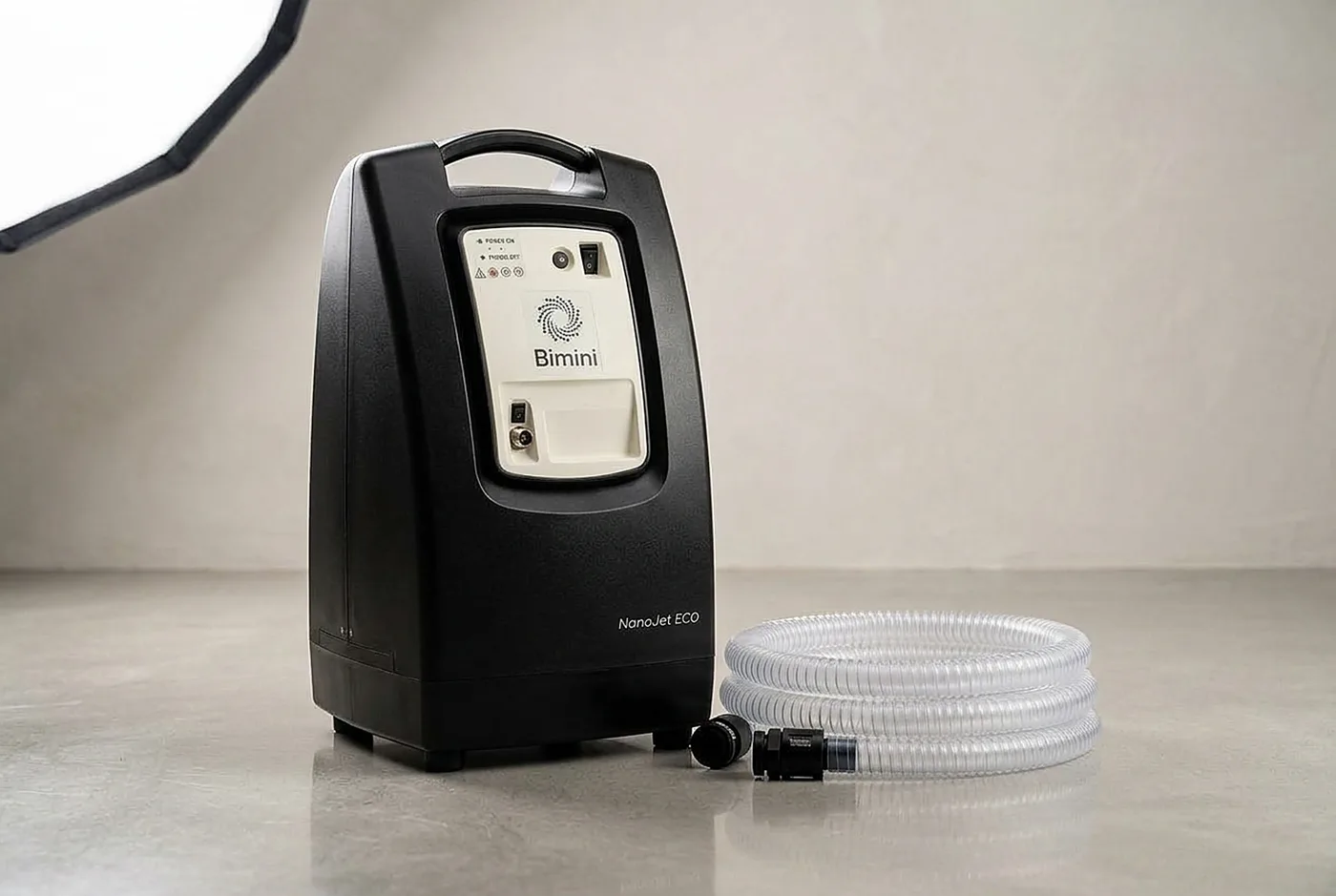
Bimini NanoJet® Eco
$9,650
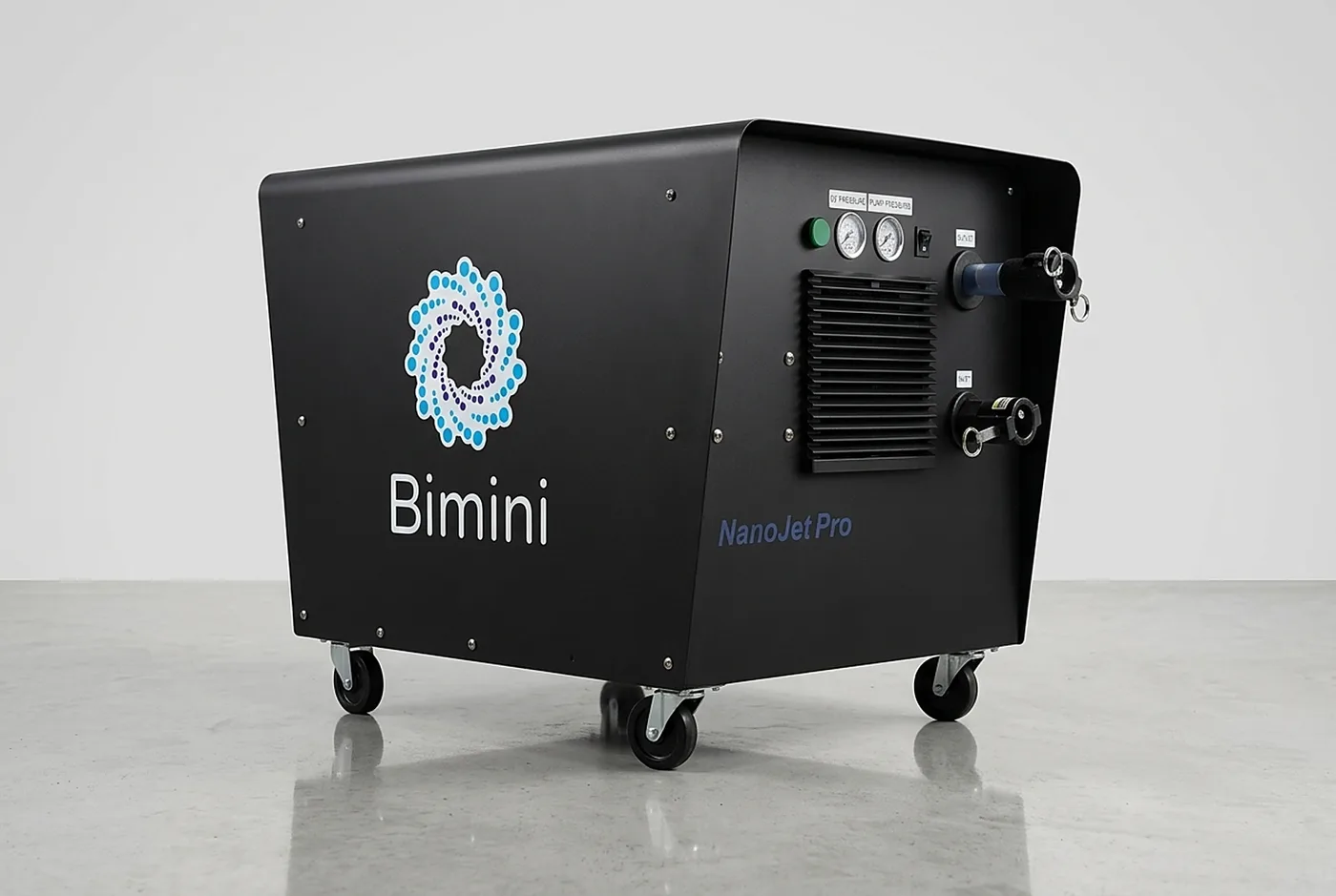
Bimini NanoJet® Pro
$24,995
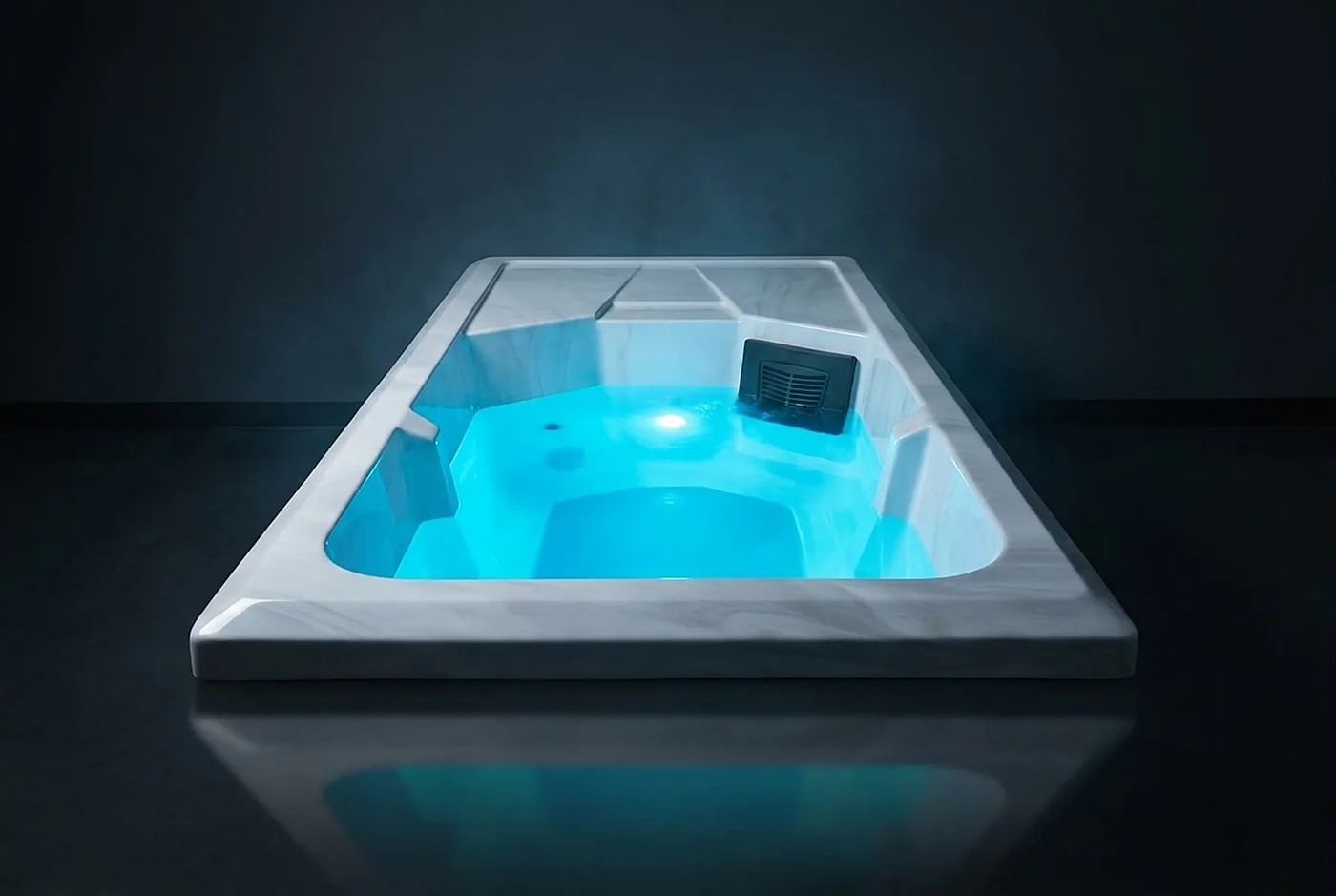
Bimini NanoJet® Integrated Recovery Tub
$34,995
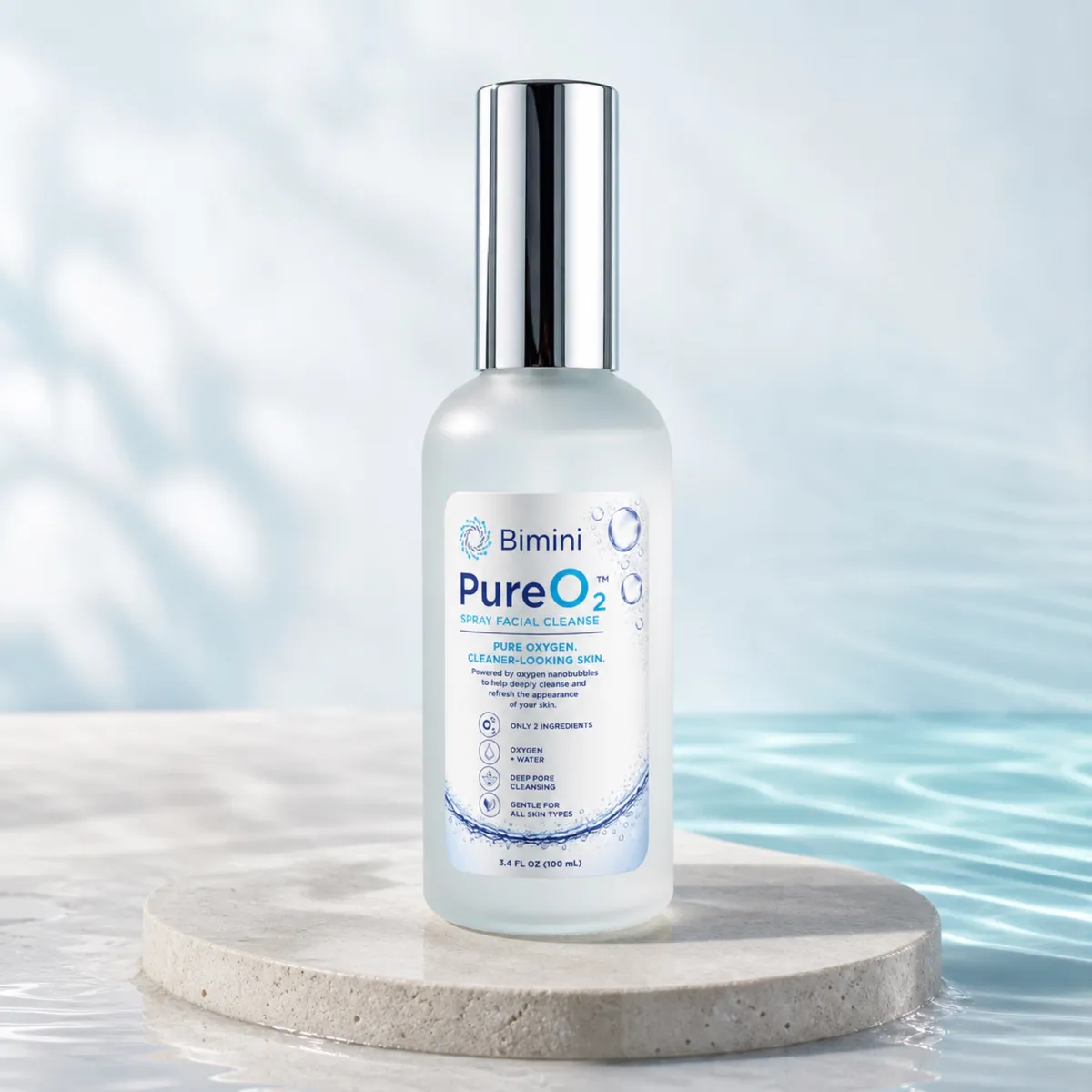
Bimini Pure O2 Spray
$33.99
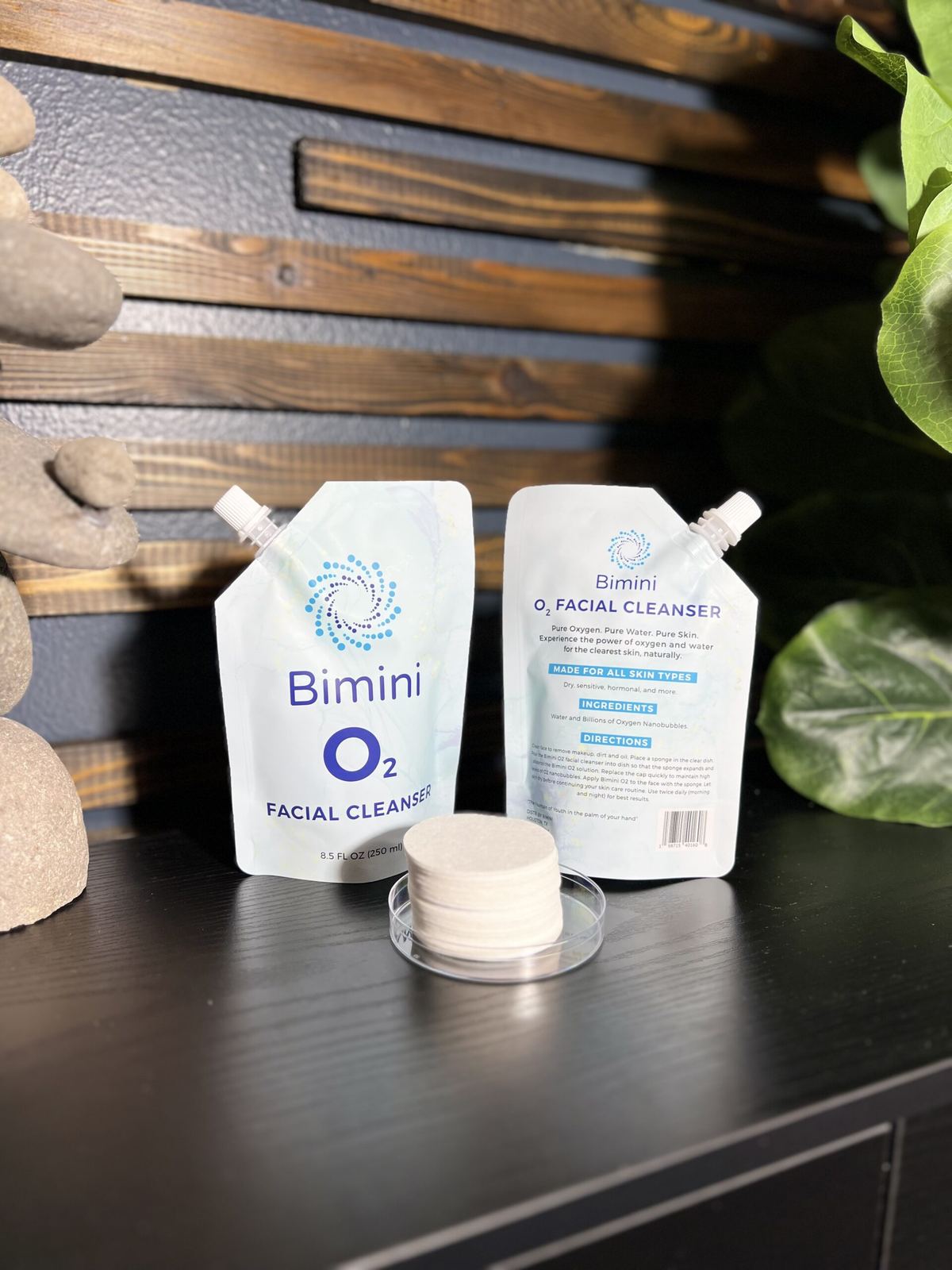
Bimini Pure O2 Facial Cleanser
$46.99
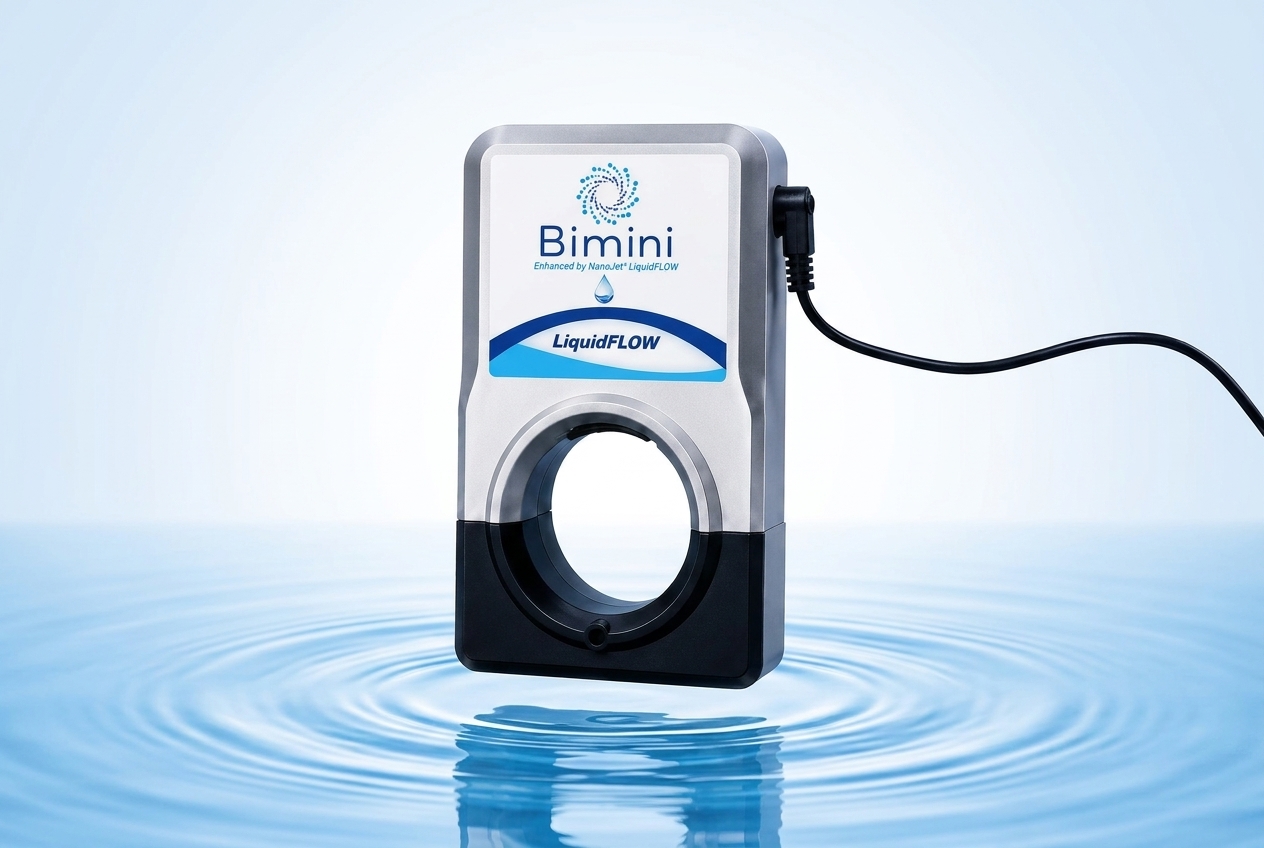
Bimini NanoJet® LiquidFLOW™
Contact for pricing
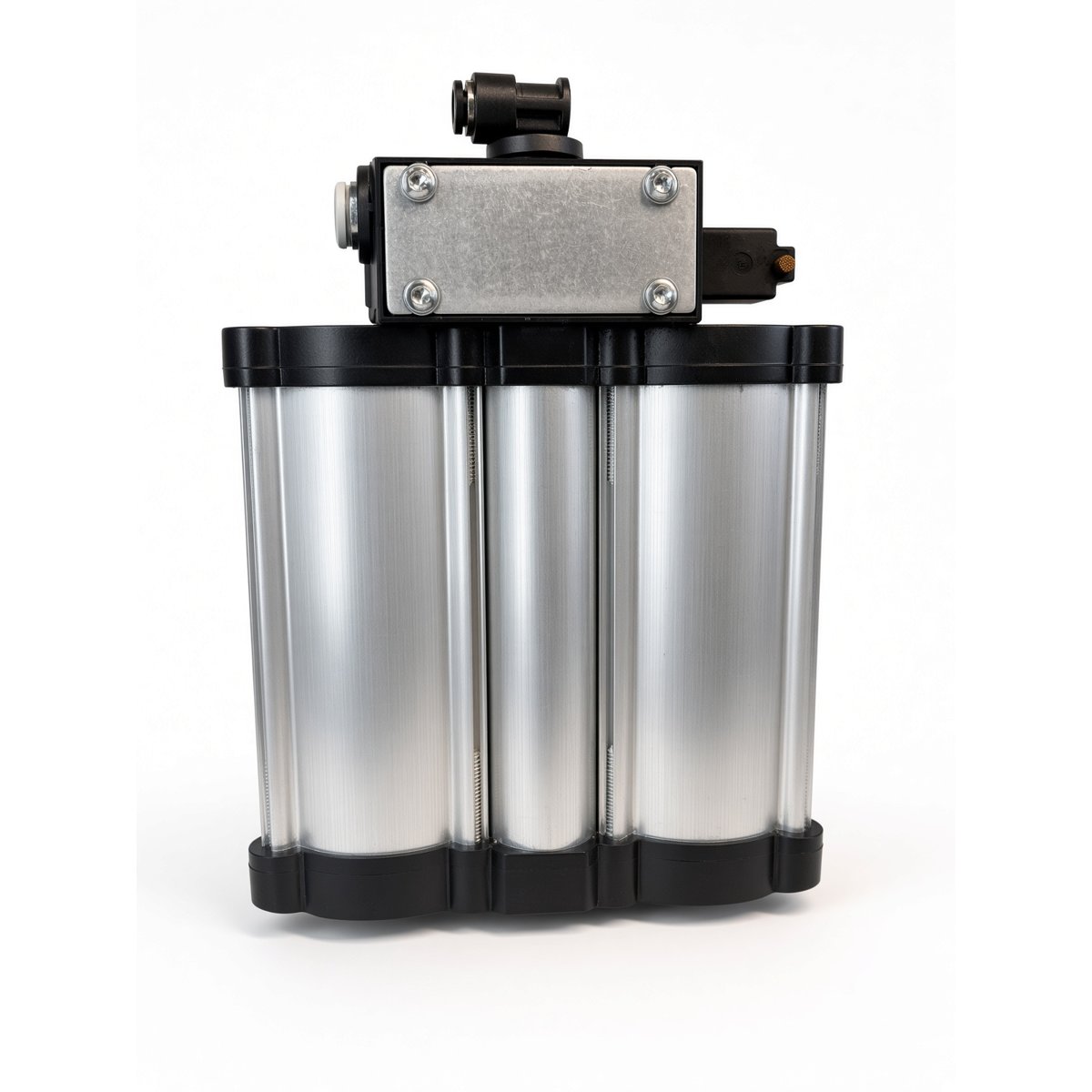
NanoJet ECO Nitrogen Filter Sieve
$357
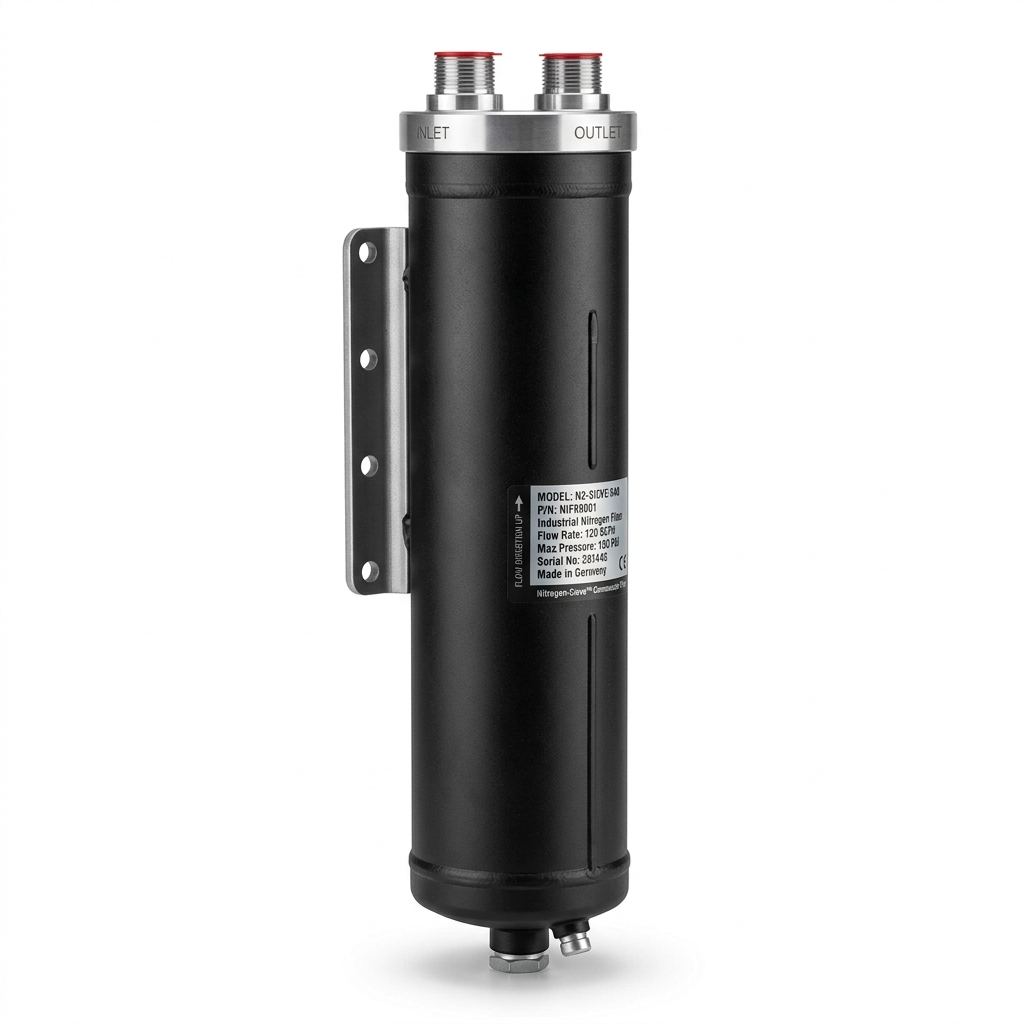
NanoJet PRO Nitrogen Filter Sieve
$463
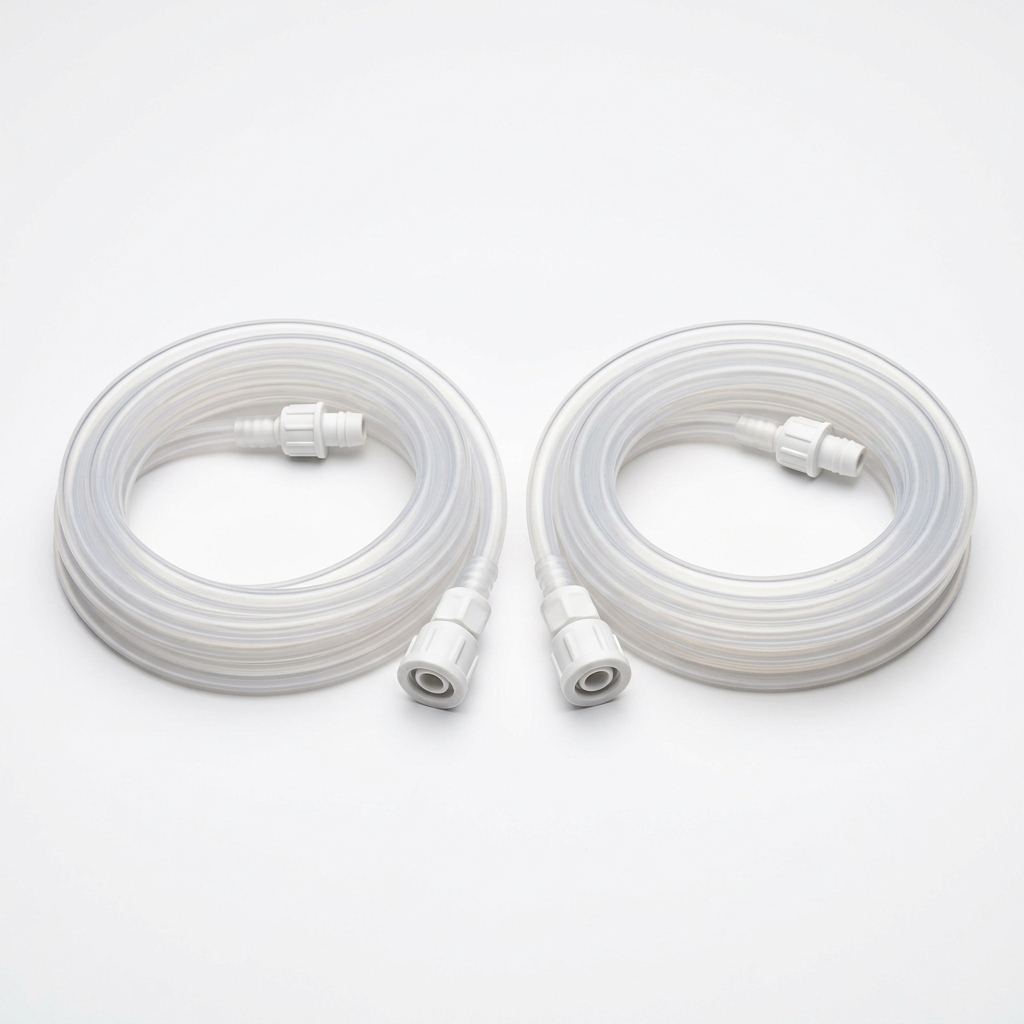
NanoJet ECO Replacement Hose Set
$135