Reviews

The Bimini team is great -very knowledgeable and professional Also helpful and kind

Loved the experience! Definitely helped and made my food feel better! I will be incorporating Bimini into my recovery.

Left a 5-star rating. Excellent!
We use cookies for site analytics and, with your permission, advertising measurement. Essential features (checkout, account, support) work without them. You can change your choice anytime via "Cookie Preferences" in the footer. Privacy Policy
Bimini NanoJet delivers billions of ultra-fine oxygen nanobubbles directly through your skin. No pressurized chambers, no extreme cold, just science-backed recovery.
NanoJet Eco for your home bathtub · NanoJet Pro for facility whirlpools · O2 HydroLounge for seated sessions
Faster Recovery
Rice University Study
Micron Nanobubbles
2,500x smaller than pores
O₂ Bubbles/mL
Ultra-high density
Day Guarantee
Money-Back Promise
Own a gym, spa or clinic? Join the Bimini dealer program — high-margin wholesale pricing on the full NanoJet line.
Co-founder Jason Applewhite explains the breakthrough behind every Bimini system — and the units it powers: the HydroLounge chair, the NanoJet Eco home model, and the NanoJet Pro for facilities.
Views
Named Pro & Olympic Athletes
Reviews
For decades, athletes have relied on ice baths and cold plunge to recover. But here's what the science now shows: cold therapy causes vasoconstriction—it temporarily restricts blood flow to your muscles.
Dr. Gabe Mirkin, the physician who invented the R.I.C.E. protocol (Rest, Ice, Compression, Elevation), has since recanted his recommendation. Why? Because reducing blood flow also reduces oxygen delivery to damaged tissues.
Bimini takes a different approach. Instead of restricting blood flow, we deliver oxygen directly to your muscles through your skin using ultra-fine nanobubbles.
Take a quick walkthrough of the NanoJet Eco — the home unit that turns any standard bathtub into an oxygen spa.
"I wrote the RICE Treatment guidelines over 40 years ago. Now I believe that ice may delay healing instead of help."
— Dr. Gabe Mirkin
The Bimini NanoJet creates billions of oxygen nanobubbles so small (0.005-0.02 microns, averaging 0.01 microns) they can pass directly through your skin pores.
Works with any standard bathtub or hot tub. No permanent installation required.
Device infuses water with 95%+ pure oxygen nanobubbles in minutes.
30-60 minutes delivers oxygen directly to your muscles through your skin.
A peer-reviewed study conducted at Rice University tested Bimini NanoJet on over 100 collegiate athletes. The results speak for themselves.
Improvement in performance and recovery metrics
Muscle oxygen saturation increase
Mental clarity reported after sessions
Oxygen toxicity observed
"The final conclusion of the studies using the Bimini NanoJet Perfusion System: it increases performance of the athlete, drastically improves muscle recovery, and improves mental clarity."
Rice University Study
Peer-Reviewed Research
From home use to commercial facilities, we have the perfect oxygen therapy solution for you.
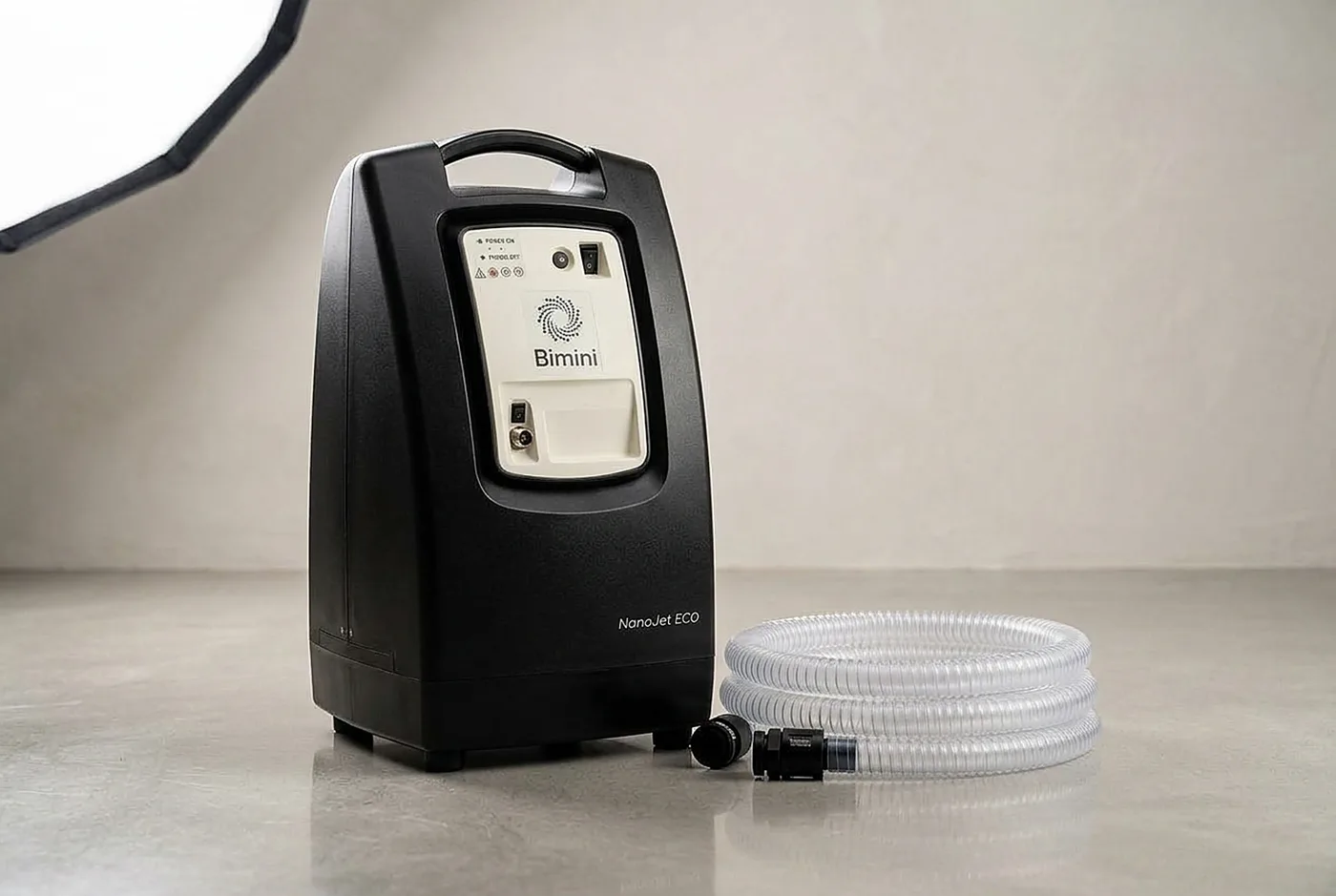
Perfect for home use. Turn your bathtub into an oxygen therapy oasis.
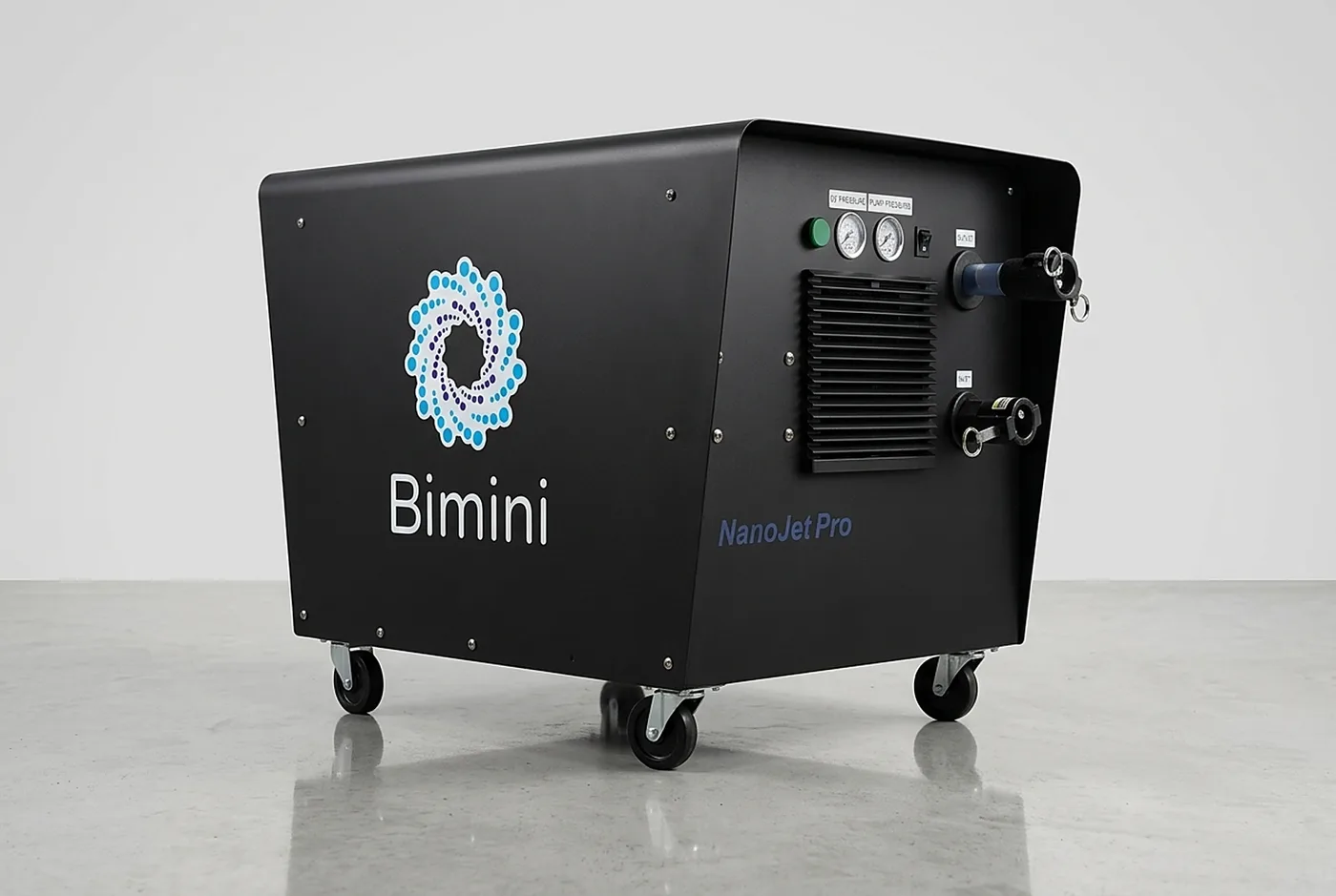
Built for facilities. Treat multiple athletes simultaneously.
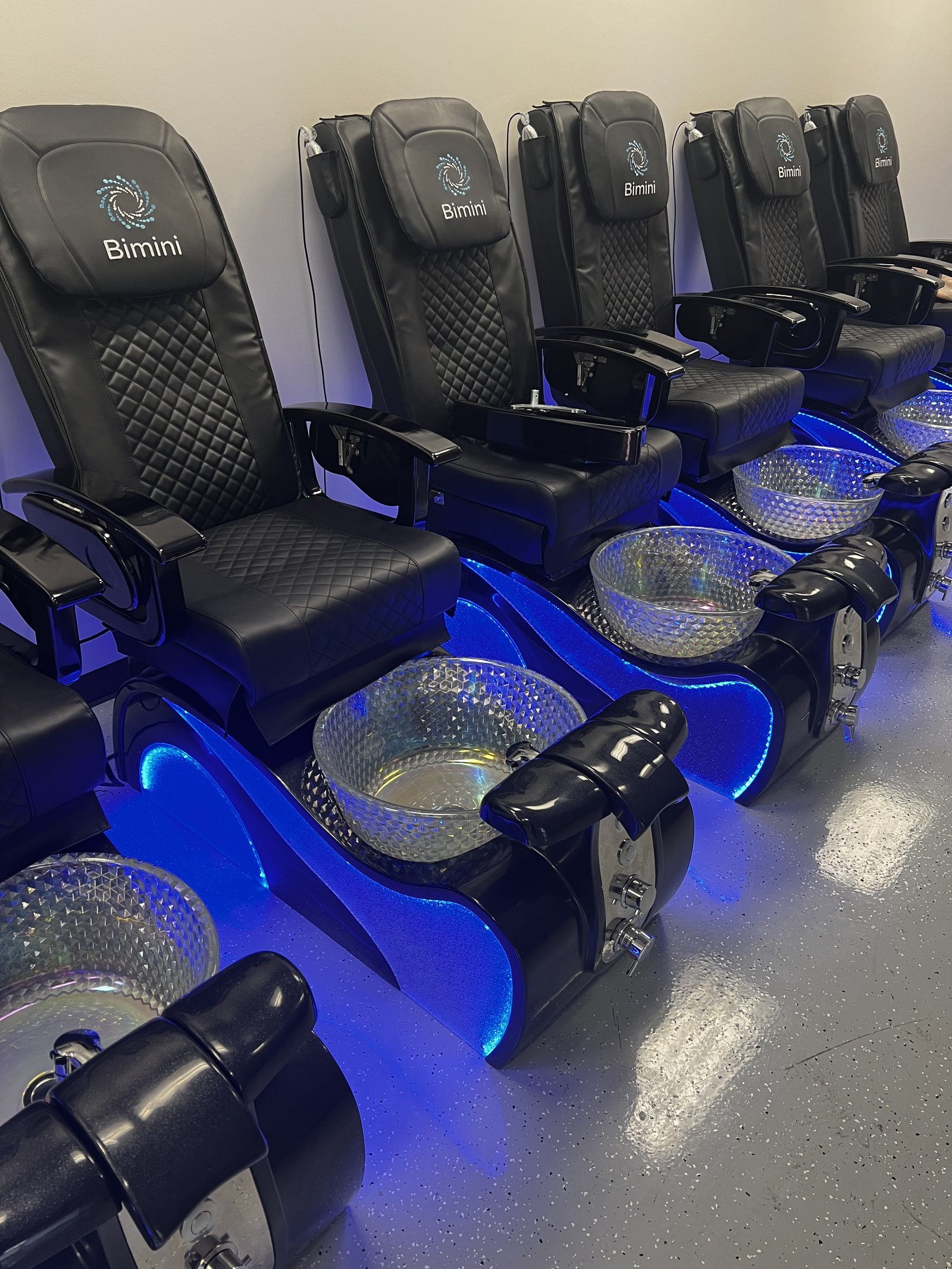
Premium spa chair with integrated oxygen nanobubble therapy.
Bimini Pure O2 Spray puts the same oxygen nanobubble water from our NanoJet systems in a 100 mL TSA-friendly mist. Two ingredients — pure oxygen and distilled water. Nothing else.
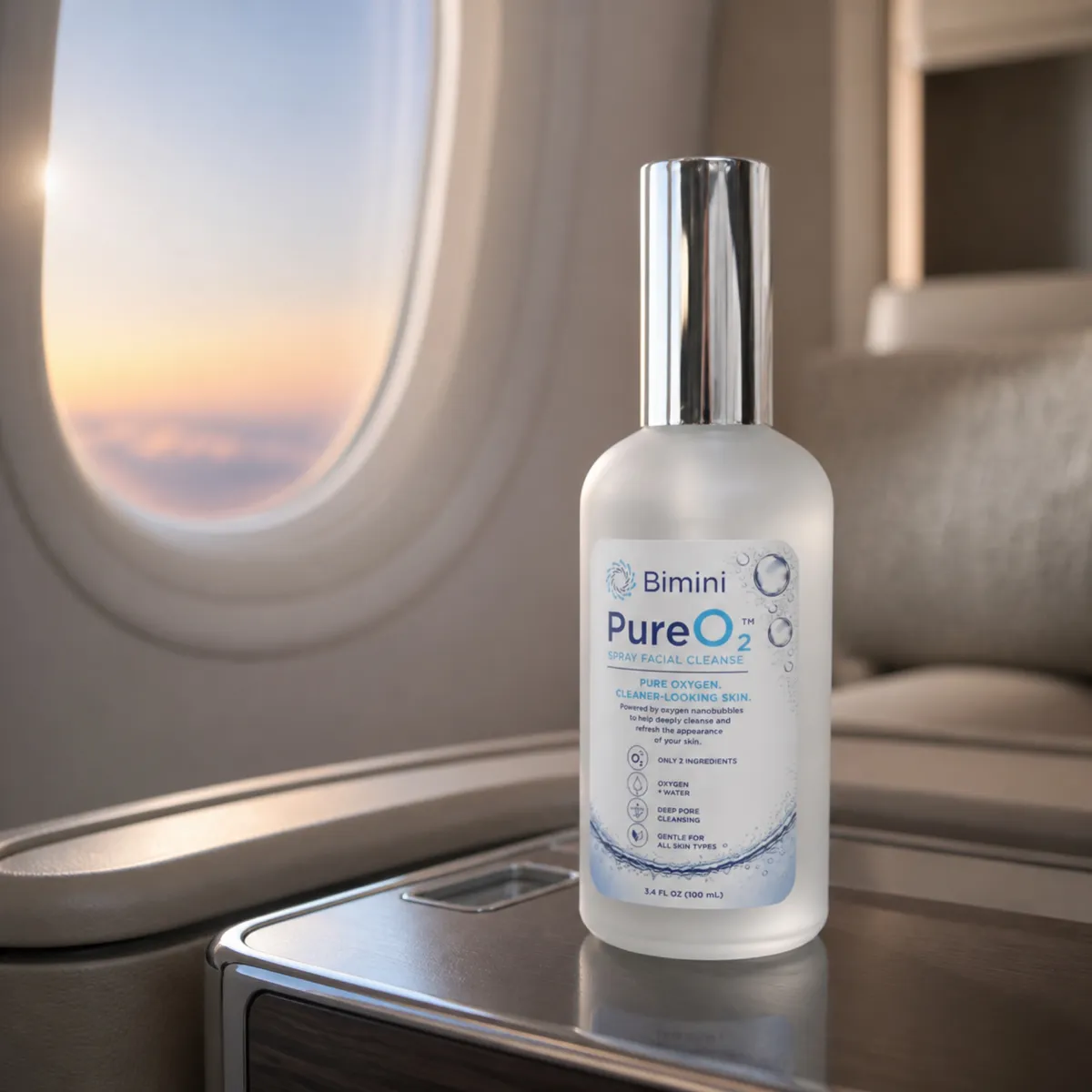
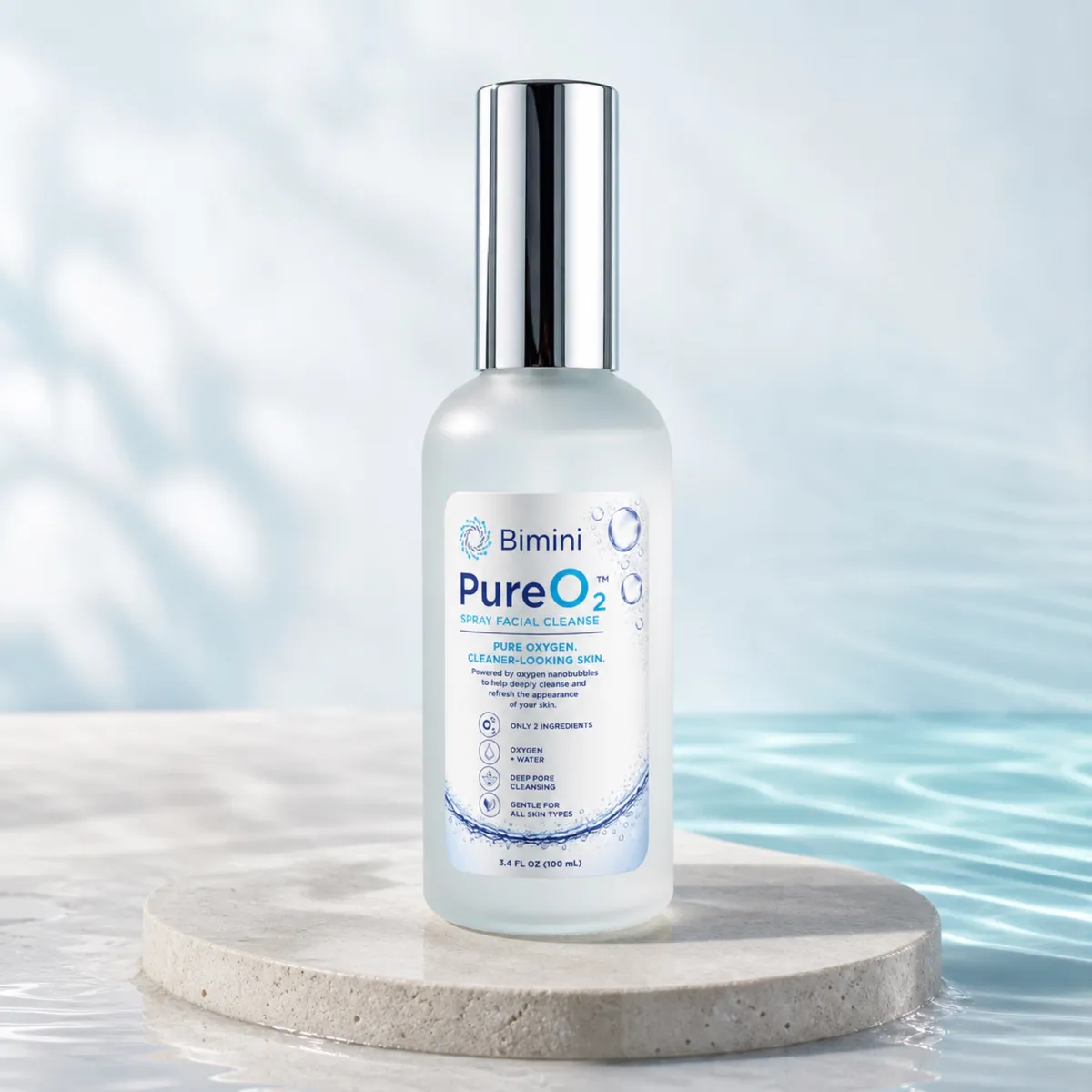
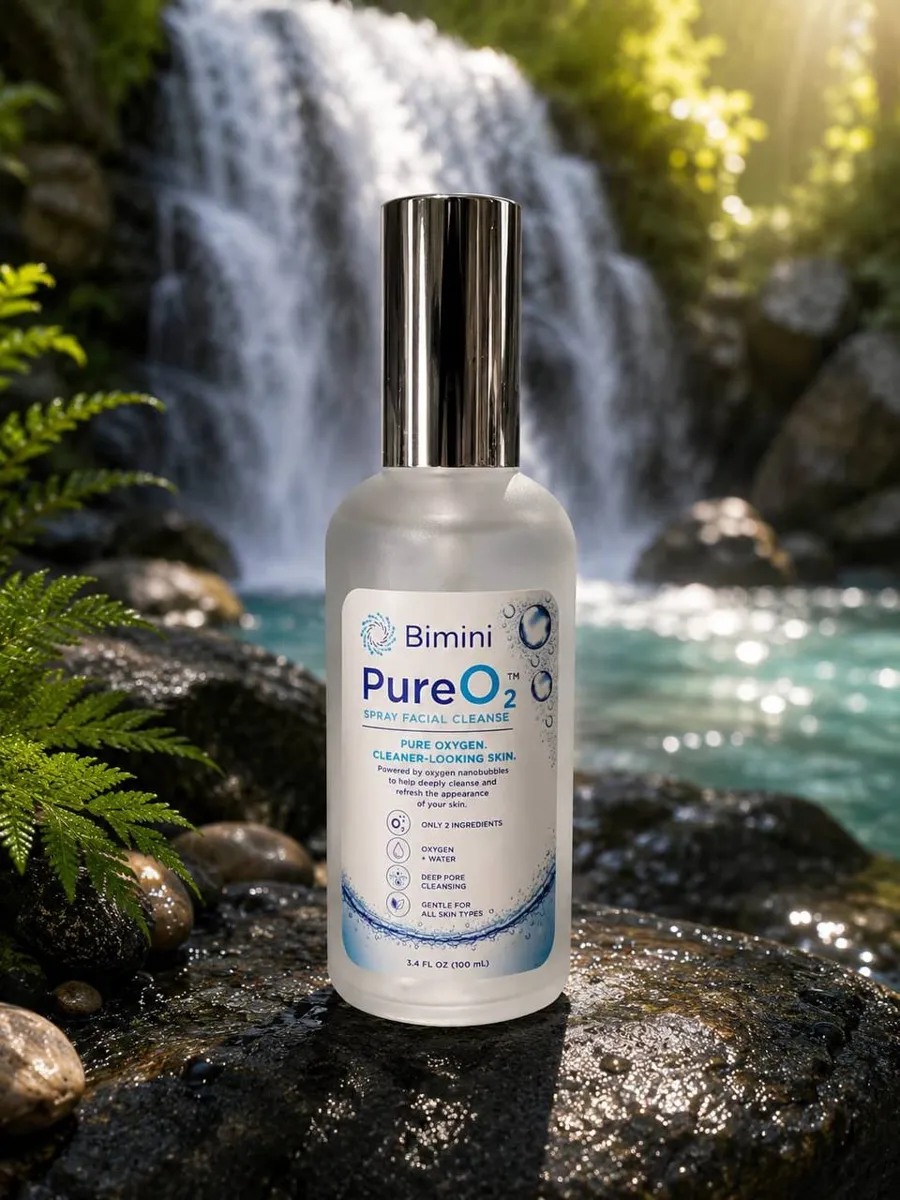
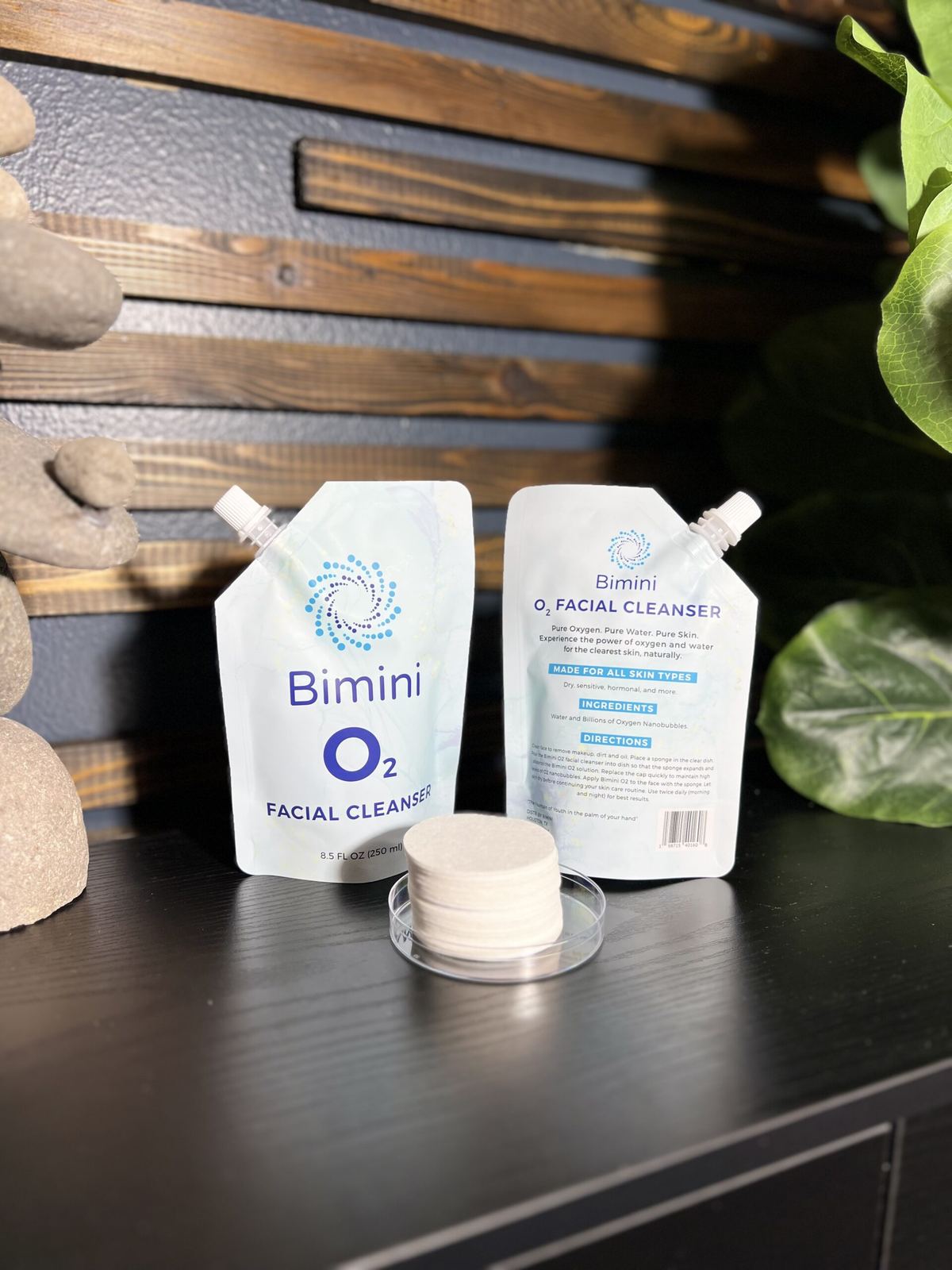
The 30-day oxygen cleansing ritual returning fans asked for — two 250 mL pouches, 60 biodegradable sponges, and an application tray. Two ingredients: pure oxygen and distilled water.
See how Bimini NanoJet compares to traditional recovery methods.
| Feature | Bimini NanoJet | HBOT Chamber | Cold Plunge |
|---|---|---|---|
| Oxygen Delivery | ✕ | ||
| Session Time | 30-60 min | 60-90 min | 3-15 min |
| Comfort | Warm (78-100°F) | Pressurized chamber | Freezing (32-50°F) |
| Home Use | ✕ | ||
| Blood Flow | Enhanced | Enhanced | Restricted |
| Price | $9,650+ | $15,000-150,000 | $1,500-8,000 |
See why athletes and wellness seekers trust Bimini NanoJet for their recovery needs.
"We've had the Bimini NanoJet for over 2 years now and can't imagine our facilities without it. 80-90% of our athletes have switched from using our cold tubs to now using the Bimini."
Dean Miller
Associate Athletic Director – Sports Medicine & Performance
Rice University
"I was blown away by the Bimini treatment. My body hasn't felt this good in a long time. It's crazy, but the science is real!"
C.J. Mosley
NFL Defensive Lineman
"The Bimini NanoJet helped improve recovery time with my hamstring injury."
Tyler Biadasz
NFL Center
The wellness and recovery industry is growing fast. Sell Bimini systems through your business — or earn commissions introducing your audience to oxygen perfusion technology.
No massive following required — we value authentic voices and serious operators alike.
Follow our journey and see Bimini NanoJet in action with athletes around the world.
Everything you need to know about Bimini NanoJet oxygen therapy.
See All FAQsJoin thousands of athletes who have discovered the science-backed alternative to ice baths. Try Bimini risk-free with our 30-day money-back guarantee.


