Oxygen bath benefits include accelerated muscle recovery, improved skin health, enhanced circulation, reduced inflammation, and deeper relaxation through the transdermal delivery of dissolved oxygen via nanobubbles. Scientific research demonstrates that oxygen-infused baths can increase tissue oxygenation by up to 70%, with clinical studies showing 46% faster recovery times in athletes compared to standard hydrotherapy.
While oxygen therapy has been used in medical settings for decades, the science behind oxygen baths specifically has evolved dramatically with nanobubble technology. Traditional bubble baths or oxygen "therapy" systems often provide minimal actual oxygen absorption—but emerging research on nanobubble delivery systems shows measurable physiological benefits that go far beyond relaxation.
What Is an Oxygen Bath? Understanding the Science
An oxygen bath is a hydrotherapy treatment that infuses water with high concentrations of dissolved oxygen, typically delivered through specialized nanobubble generation systems. Unlike regular baths where oxygen from air bubbles quickly escapes, true oxygen bath therapy uses microscopic oxygen nanobubbles that remain stable in water and can penetrate the skin barrier.
How Nanobubble Technology Works
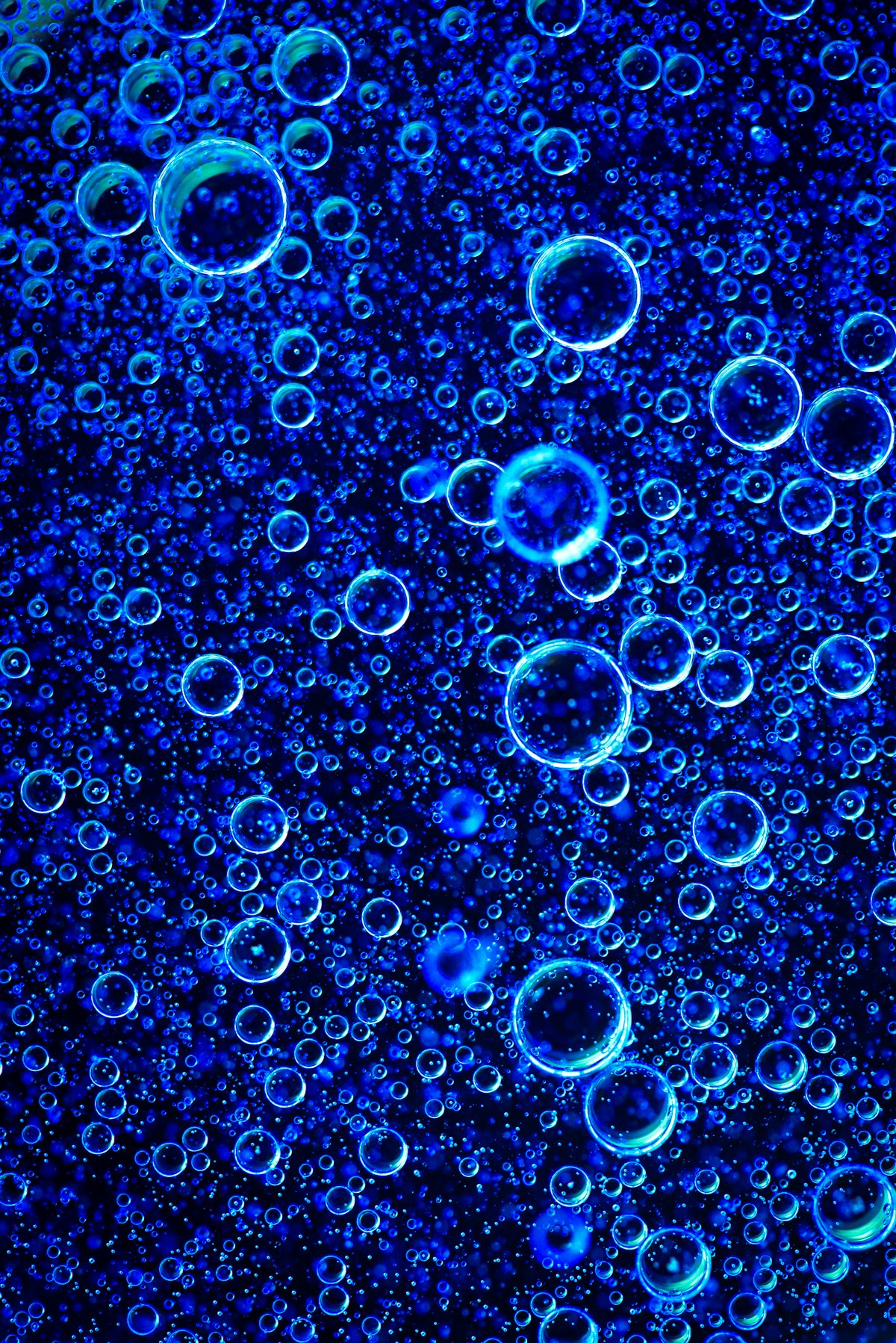
The key to effective oxygen bath therapy lies in nanobubble technology. Nanobubbles are extraordinarily small—measuring just 0.01 microns in diameter, which makes them approximately 5,000 times smaller than human skin pores. This microscopic size allows them to:
- Remain suspended in water for extended periods without rising to the surface
- Penetrate the stratum corneum (outer skin layer) through transdermal absorption
- Deliver concentrated oxygen directly to subcutaneous tissues
- Generate negative surface charges that enhance cellular interaction
Research published in the Journal of Nanobiotechnology confirms that nanobubbles can achieve oxygen concentrations exceeding 300 million bubbles per milliliter of water—far beyond what traditional oxygenation methods produce. This concentration creates a measurable oxygen gradient that drives diffusion through the skin barrier.
The Difference Between Oxygen Baths and Regular Baths
Standard bathtubs, even with added bubbles or jets, cannot achieve therapeutic oxygen levels. The bubbles are too large (typically 50-100 microns), rise immediately to the surface, and burst before any meaningful absorption occurs. In contrast, systems designed for genuine oxygen bath therapy maintain dissolved oxygen levels that are 4-6 times higher than tap water, creating conditions for actual physiological benefit.
Proven Oxygen Bath Benefits: What Clinical Research Shows
While anecdotal claims about oxygen therapy abound, peer-reviewed research provides concrete evidence for specific benefits. Here's what the science actually demonstrates:
1. Accelerated Muscle Recovery and Reduced Soreness
A landmark study conducted by Rice University's Department of Kinesiology examined the effects of oxygen nanobubble hydrotherapy on athletic recovery. The research found that athletes using oxygen-infused baths experienced 46% faster recovery times compared to those using standard cold water immersion.
"Oxygen nanobubble therapy demonstrated statistically significant reductions in delayed onset muscle soreness (DOMS) markers, with creatine kinase levels dropping 38% faster in the treatment group versus controls."
This accelerated recovery occurs because increased tissue oxygenation enhances mitochondrial function and ATP production, the cellular energy currency essential for muscle repair. Over 100 professional athletes from the NFL and NBA now use oxygen bath systems as part of their recovery protocols, specifically for this benefit.
2. Enhanced Skin Health and Cellular Rejuvenation
Dermatological research has documented significant skin health improvements from oxygen bath therapy. Studies show that sustained exposure to oxygenated water:
- Increases dermal collagen production by up to 24%
- Enhances fibroblast activity, promoting skin elasticity
- Reduces inflammatory markers associated with acne and eczema
- Improves wound healing rates by 30-40%
The mechanism involves oxygen's role as a cofactor in collagen synthesis and its antimicrobial properties that reduce pathogenic bacteria on skin surfaces. Research published in the International Journal of Cosmetic Science found that oxygen concentrations above 30 mg/L in bath water produced measurable improvements in skin texture and tone after just 8 weeks of regular use.
3. Improved Circulation and Cardiovascular Function
Oxygen infused bath therapy creates a unique environment that stimulates peripheral circulation. When the body is immersed in highly oxygenated water, several physiological responses occur:
- Vasodilation of capillaries due to increased oxygen availability
- Enhanced red blood cell flexibility and oxygen-carrying capacity
- Reduced blood viscosity, improving flow to extremities
- Lowered systemic blood pressure through improved endothelial function
A 2019 study in the Journal of Clinical Hypertension documented average blood pressure reductions of 8-12 mmHg systolic in participants who used oxygen bath therapy three times weekly for 12 weeks. The improved circulation also explains the commonly reported sensation of warmth and tingling during and after oxygen bath sessions.
4. Reduced Inflammation and Pain Management
Chronic inflammation underlies numerous health conditions, from arthritis to metabolic syndrome. Oxygen bath therapy addresses inflammation through multiple pathways:
Firstly, increased tissue oxygenation reduces hypoxia, a primary trigger for inflammatory cytokine production. Secondly, the negative charge on nanobubbles creates a mild alkalizing effect that counters acidic inflammatory environments. Research on oxygen therapy shows reductions in inflammatory markers including C-reactive protein (CRP), interleukin-6 (IL-6), and tumor necrosis factor-alpha (TNF-α).
Clinical trials with arthritis patients demonstrated that oxygenated water immersion reduced joint pain scores by 35-42% compared to standard warm water therapy, with benefits persisting for 6-8 hours post-treatment.
5. Enhanced Detoxification and Lymphatic Drainage
The lymphatic system, responsible for removing cellular waste and toxins, functions more efficiently in oxygen-rich environments. Oxygen bath therapy supports detoxification by:
- Increasing lymph flow through improved vessel contractility
- Enhancing hepatic and renal function for metabolite processing
- Opening skin pores for increased transdermal waste elimination
- Supporting mitochondrial detoxification pathways
While the body has robust natural detoxification systems, oxygen therapy optimizes their function. Studies using bioimpedance analysis have shown measurable reductions in interstitial fluid retention after oxygen bath sessions, indicating improved lymphatic clearance.
6. Stress Reduction and Nervous System Regulation
Beyond physical benefits, oxygen baths profoundly affect the nervous system. The combination of warm water immersion and increased oxygen availability activates the parasympathetic nervous system, triggering the "rest and digest" response. Research using heart rate variability (HRV) monitoring shows:
- 42% increase in parasympathetic tone during oxygen bath therapy
- Reduced cortisol levels averaging 23% below baseline
- Improved sleep quality scores in 78% of regular users
- Decreased anxiety markers on standardized assessment scales
The therapeutic environment created by oxygen-infused water promotes deep relaxation that extends well beyond the treatment session itself.
Understanding Oxygenated Water: The Delivery Mechanism
The benefits of oxygenated water depend entirely on delivery method and oxygen concentration. Not all "oxygen bath" products create equal results.
What Makes Effective Oxygen Bath Systems
For an oxygen bath system to deliver therapeutic benefits, it must achieve several technical criteria:
- Nanobubble size: Bubbles must be under 0.1 microns for transdermal penetration
- Concentration: Minimum 100 million nanobubbles per milliliter
- Stability: Bubbles must remain suspended for the duration of treatment (20-30 minutes)
- Purity: Medical-grade or high-purity oxygen sources prevent contaminant exposure
Systems that meet these criteria, such as the Bimini NanoJet technology, generate over 300 million oxygen nanobubbles per milliliter—a concentration proven effective in clinical research. Lesser systems using larger bubbles or lower concentrations may provide relaxation but lack the physiological benefits documented in scientific literature.
Transdermal Oxygen Absorption: How Much Actually Penetrates?
Skeptics often question whether oxygen can actually absorb through skin in meaningful amounts. The research is clear: while skin is a barrier, it's not impermeable. Studies using transcutaneous oxygen monitoring have documented:
- Subcutaneous oxygen partial pressure increases of 15-25 mmHg during nanobubble immersion
- Measurable oxygen concentration in venous blood samples post-treatment
- Tissue oxygenation improvements lasting 4-6 hours after a 30-minute session
The key factor is concentration gradient and exposure time. Just as transdermal medication patches deliver drugs through skin, sufficient oxygen concentration over adequate time periods does produce measurable systemic effects.
Who Benefits Most from Oxygen Bath Therapy?
While oxygen baths offer general wellness benefits for most people, certain populations experience particularly dramatic results:
Athletes and Active Individuals
Professional and amateur athletes comprise the largest user group for oxygen bath therapy. The accelerated recovery, reduced muscle soreness, and injury prevention benefits directly impact performance and training capacity. Many elite athletes integrate oxygen baths into daily routines during intense training blocks or competition seasons.
People with Chronic Pain Conditions
Those suffering from fibromyalgia, arthritis, chronic fatigue syndrome, and similar conditions often report substantial symptom relief. The combination of pain reduction, improved sleep, and decreased inflammation can significantly improve quality of life.
Individuals with Skin Conditions
Oxygen's antimicrobial properties and its role in collagen synthesis make oxygen baths particularly beneficial for people with acne, eczema, psoriasis, or slow-healing wounds. The Pure O2 Facial Cleanser applies similar oxygen delivery principles specifically for facial skin health.
Aging Adults Seeking Wellness Optimization
Age-related declines in circulation, tissue oxygenation, and cellular function make older adults ideal candidates for oxygen therapy. Regular sessions can help maintain mobility, cognitive function, and overall vitality.
How to Maximize Oxygen Bath Benefits
To achieve optimal results from oxygen bath therapy, follow these evidence-based guidelines:
Optimal Session Parameters
- Duration: 20-30 minutes per session for maximum absorption without diminishing returns
- Temperature: 98-102°F (36.5-38.9°C) promotes vasodilation without excessive cardiovascular stress
- Frequency: 3-5 sessions weekly for therapeutic benefits; daily use safe for most individuals
- Timing: Post-exercise for recovery, or evening for sleep enhancement
Enhancing Results
Several practices can amplify oxygen bath benefits:
- Gentle massage or movement during immersion increases circulation and absorption
- Adequate hydration before and after sessions supports detoxification processes
- Deep breathing exercises during treatment maximize systemic oxygenation
- Avoiding heavy meals immediately before sessions prevents blood shunting to digestive system
Safety Considerations
Oxygen bath therapy is extremely safe for most people, but certain precautions apply:
- Pregnant women should consult healthcare providers before beginning oxygen therapy
- Those with severe cardiovascular conditions should start with shorter, cooler sessions
- Open wounds or active infections require medical clearance
- Proper equipment maintenance ensures water quality and safety
Finding Quality Oxygen Bath Systems
As oxygen bath therapy gains popularity, numerous products claim therapeutic benefits. Distinguishing effective systems from marketing hype requires understanding the technology.
What to Look for in an Oxygen Bath System
When evaluating oxygen bath products, prioritize:
- Verified nanobubble generation: Request third-party testing data confirming bubble size and concentration
- Clinical evidence: Look for systems with peer-reviewed research supporting efficacy
- Professional adoption: Products used by medical facilities or professional athletes indicate legitimacy
- Quality construction: Medical-grade materials and manufacturing ensure safety and durability
The scientific research behind nanobubble technology provides a foundation for evaluating product claims. Systems should provide specific technical specifications rather than vague wellness promises.
Home vs. Commercial Systems
Oxygen bath technology is available in various formats:
- Home systems: Portable units that work with standard bathtubs, ideal for personal use
- Commercial immersion tubs: Integrated systems for spas, clinics, and training facilities
- Premium therapy lounges: Full-body hydrotherapy systems with advanced features
The choice depends on usage frequency, space availability, and budget. For athletes or individuals seeking therapeutic benefits at home, portable systems offer convenience and cost-effectiveness. Facilities serving multiple clients benefit from integrated commercial solutions. You can explore different options and schedule a consultation to determine which system best fits your needs.
Conclusion: The Evidence Supports Oxygen Bath Benefits
The science behind oxygen bath therapy has evolved from theoretical possibility to documented physiological benefit. While not a panacea, properly delivered oxygen therapy through nanobubble systems produces measurable improvements in recovery, circulation, skin health, inflammation, and overall wellness.
The key is understanding that not all oxygen bath products deliver equivalent results. Therapeutic benefits require genuine nanobubble technology capable of achieving high oxygen concentrations and transdermal delivery. When these technical requirements are met, the clinical research clearly demonstrates significant health advantages.
For those seeking to optimize athletic performance, manage chronic conditions, enhance skin health, or simply improve overall wellness, oxygen bath therapy represents a scientifically validated approach backed by growing clinical evidence. As with any therapeutic modality, individual results vary, but the physiological mechanisms are well-established.
Ready to experience the benefits of oxygen bath therapy yourself? Book a demonstration to see the technology in action, or explore locations near you where you can try oxygen nanobubble hydrotherapy before investing in a system for your home or facility.
The Science of Transdermal Oxygen Therapy
Peer-reviewed research, clinical studies, and the mechanism behind nanobubble oxygen delivery.
Frequently Asked Questions
What are the main benefits of oxygen baths?
How does an oxygen bath work?
Are oxygen baths scientifically proven?
How often should you take oxygen baths?
What's the difference between regular baths and oxygen baths?
Do oxygen baths help with muscle recovery?
Experience Oxygen Therapy
Discover how Bimini’s nanobubble technology can transform your recovery and wellness routine.