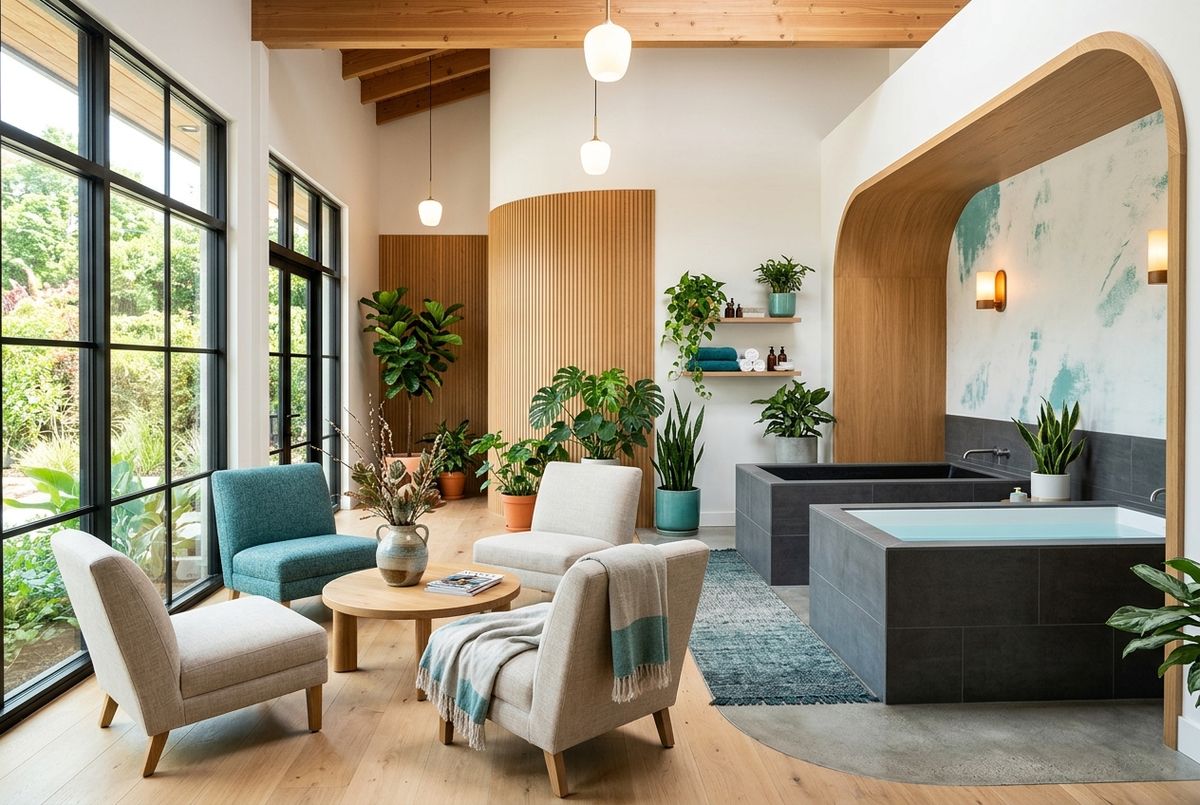
Starting a recovery business in 2026 is one of the most lucrative opportunities in the wellness industry, with the global recovery and regeneration market projected to reach $23.7 billion by 2027. To successfully launch a recovery business, you'll need to invest $50,000-$150,000 in equipment and facility setup, develop a comprehensive business plan targeting athletes and wellness enthusiasts, secure proper licensing, and differentiate your services with cutting-edge modalities like oxygen nanobubble therapy, cryotherapy, and compression therapy. Recovery studios are achieving 40-60% profit margins by combining multiple revenue streams including memberships, day passes, and mobile services.
Understanding the Recovery Business Landscape in 2026
The recovery and wellness industry has evolved dramatically from niche athletic training centers to mainstream wellness destinations. Today's consumers—from weekend warriors to professional athletes—understand that recovery is equally important as training itself. This paradigm shift has created a $12 billion recovery services market in North America alone.
Recovery businesses now fall into several categories: boutique recovery lounges offering 3-5 modalities, comprehensive wellness centers with 8+ services, mobile recovery units serving events and private clients, and hybrid facilities combining fitness with recovery. Each model has distinct startup costs, operational requirements, and profit potential.
According to IBISWorld, the wellness and recovery services industry grew 8.2% annually from 2018-2023, significantly outpacing traditional gym memberships which grew just 2.1% during the same period.
Success factors in 2026 include offering science-backed modalities with measurable outcomes, creating an Instagram-worthy facility aesthetic, implementing membership models for recurring revenue, and establishing partnerships with sports teams, physical therapists, and corporate wellness programs. Over 100 NFL and NBA athletes now use advanced recovery technologies like oxygen nanobubble therapy systems as part of their training protocols.
Essential Equipment for Your Recovery Studio
Equipment selection determines both your initial investment and ongoing revenue potential. The most profitable recovery businesses offer 4-7 complementary modalities that address different recovery needs—muscle soreness, inflammation, circulation, and cellular regeneration.
Core Recovery Equipment Categories
Cryotherapy systems ($40,000-$75,000) remain popular despite high operating costs. Whole-body cryotherapy chambers expose clients to -200°F temperatures for 2-3 minutes, reducing inflammation and triggering endorphin release. Localized cryo units ($8,000-$15,000) offer a lower-cost alternative for targeted treatment.
Compression therapy ($5,000-$12,000 per unit) uses pneumatic compression to enhance circulation and lymphatic drainage. NormaTec and Therabody systems are industry standards, with most studios running 3-4 units simultaneously. These generate $60-$100 per session with minimal operating costs.
Infrared saunas ($8,000-$25,000) provide heat therapy that increases circulation, promotes detoxification, and aids muscle recovery. Unlike traditional saunas, infrared technology penetrates deeper into tissue at lower ambient temperatures (120-150°F), making sessions more comfortable for extended use.
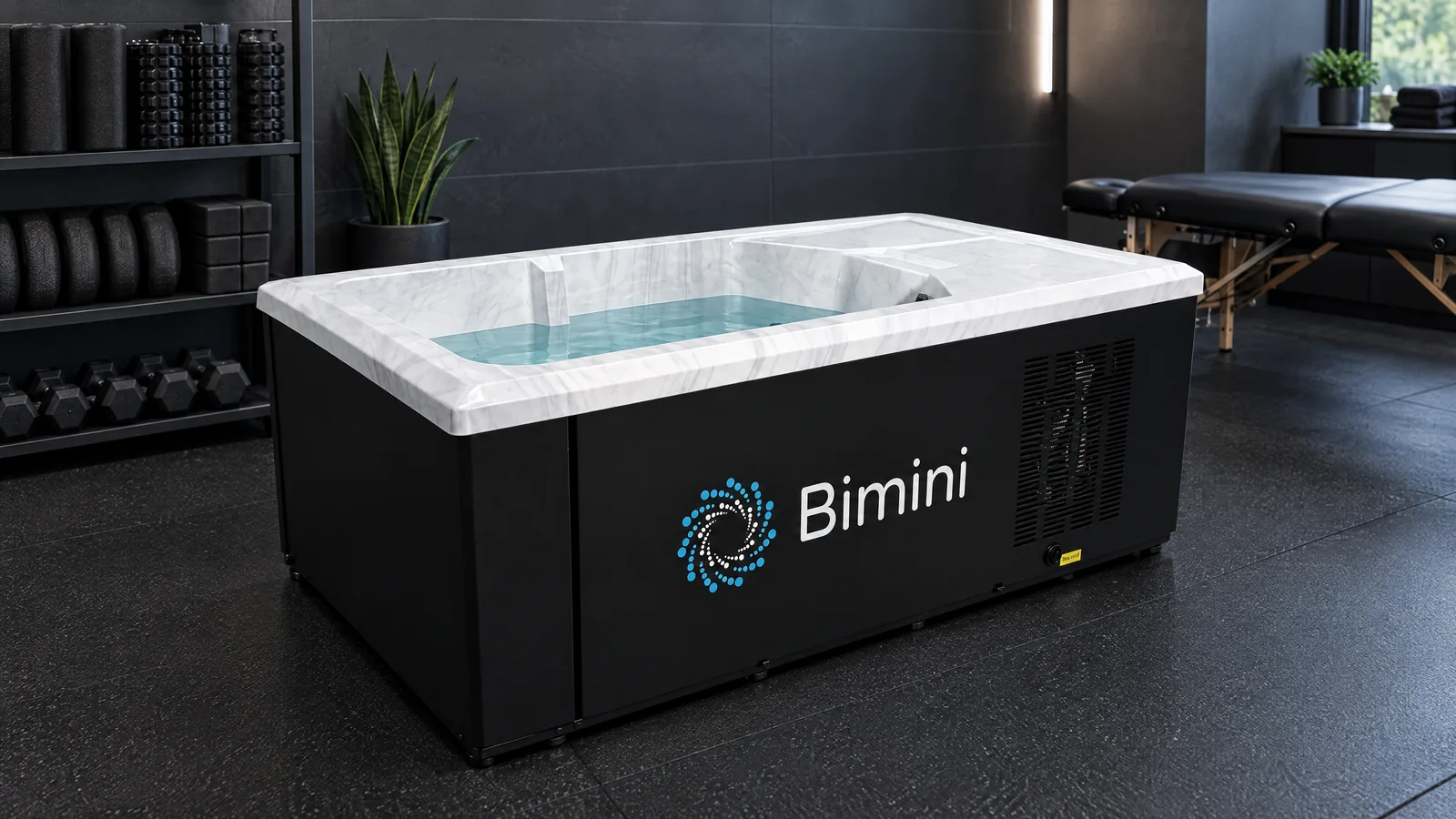
Oxygen therapy systems represent the cutting edge of recovery technology. Hyperbaric chambers ($80,000-$150,000) deliver pure oxygen at elevated pressure but require significant space and medical oversight. A more accessible alternative is oxygen nanobubble hydrotherapy, which delivers dissolved oxygen transdermally through ultrafine bubbles just 0.01 microns in diameter—5,000 times smaller than skin pores.
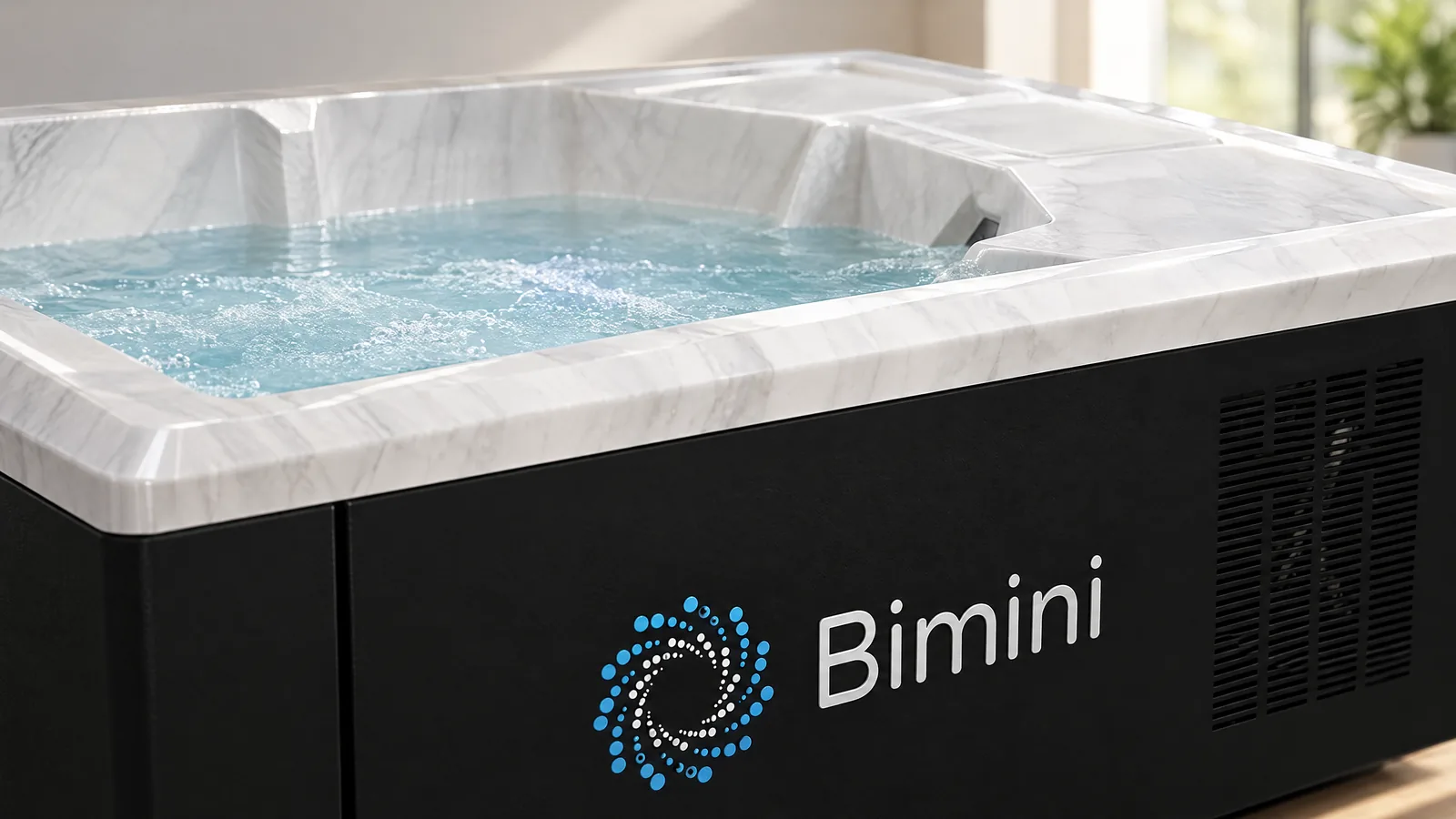
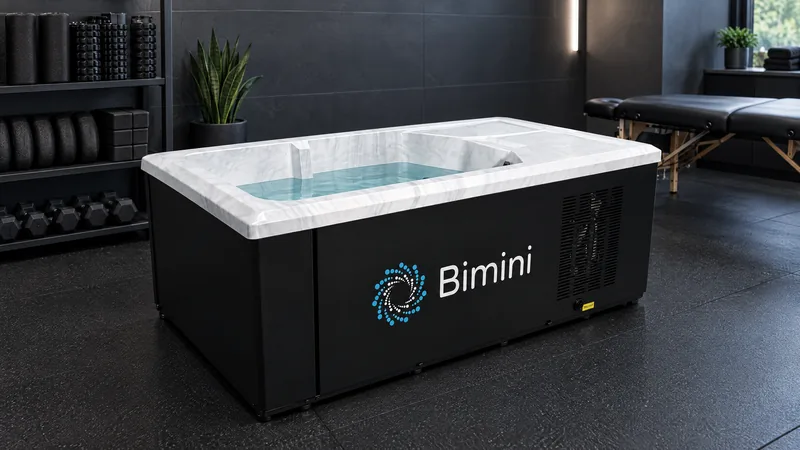
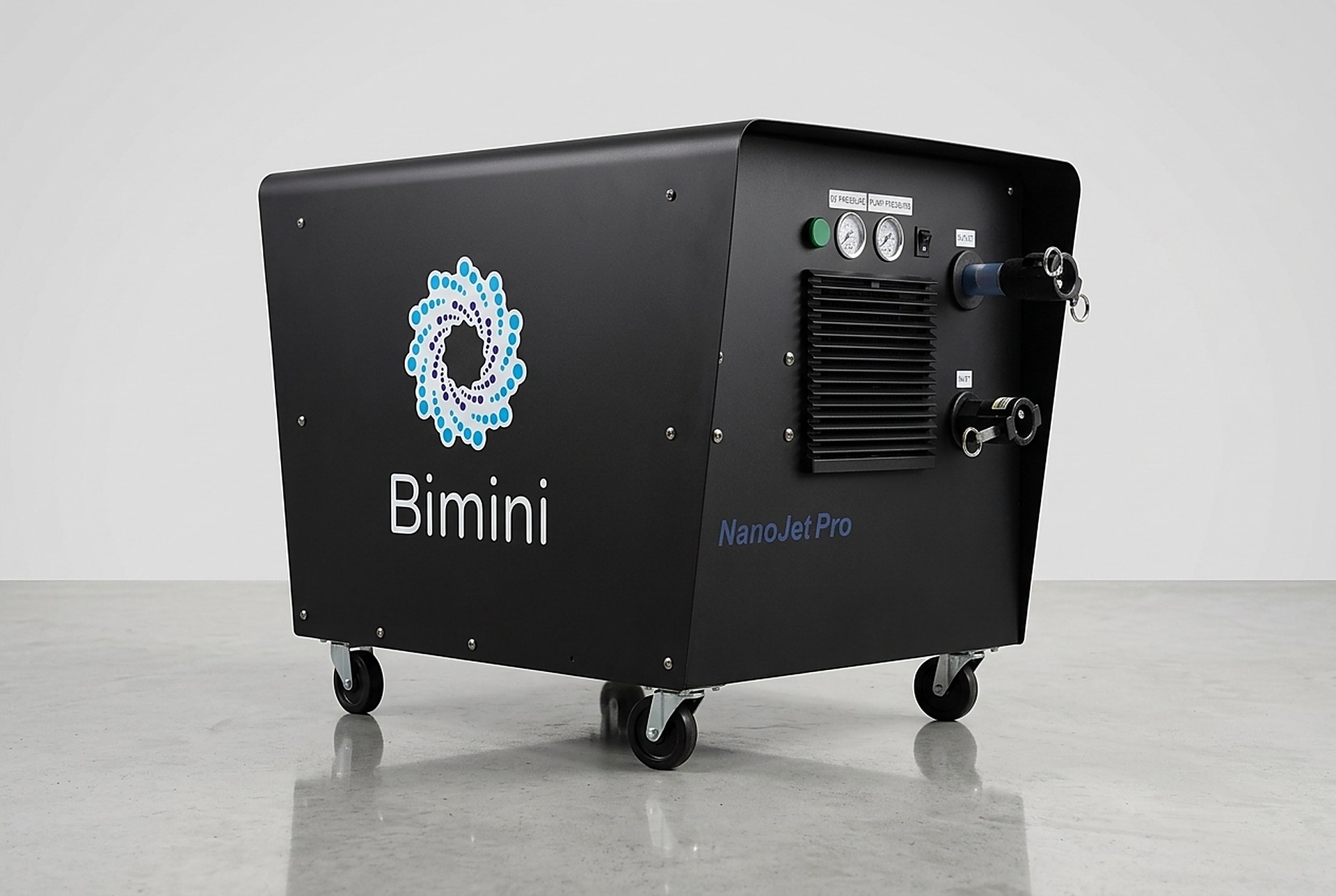
Systems like the Bimini NanoJet Pro ($18,500) generate over 300 million nanobubbles per milliliter, enabling oxygen absorption directly through the skin during immersion therapy. A Rice University study demonstrated 46% faster recovery times compared to traditional ice baths, making this technology particularly attractive for athletes and active individuals seeking measurable performance benefits.
Red light therapy panels ($2,000-$8,000) use specific wavelengths (630-850nm) to stimulate cellular energy production and collagen synthesis. These require minimal supervision and can generate $40-$75 per session with virtually no consumable costs.
Percussion therapy devices ($400-$600 per unit) like Theragun should be available for client self-use or guided sessions. Budget for 6-8 devices for a medium-sized facility.
Support Equipment and Amenities
- Commercial-grade lockers and changing areas ($5,000-$12,000)
- Comfortable lounge seating and waiting area ($8,000-$15,000)
- Water stations and refreshment area ($2,000-$4,000)
- Sound system and ambiance lighting ($3,000-$6,000)
- Booking and payment processing software ($100-$300/month)
- Towel service and laundry equipment ($4,000-$8,000)
Creating Your Recovery Studio Business Plan
A comprehensive recovery studio business plan should project 18-24 months to profitability and demonstrate clear understanding of your target market, competitive positioning, and financial requirements. Investors and lenders want to see realistic projections backed by market research.
Market Analysis and Target Demographics
Your primary target demographics typically include: competitive athletes (ages 18-35) seeking performance optimization, fitness enthusiasts (ages 25-45) managing workout recovery, aging active adults (ages 45-65) addressing inflammation and mobility, and corporate wellness clients seeking stress management and preventive care.
Conduct thorough competitive analysis within a 5-mile radius. Visit existing recovery centers, assess their pricing, services, and customer reviews. Identify gaps in the market—perhaps no facility offers oxygen therapy, or none have convenient early morning hours for pre-work sessions.
Revenue Model and Pricing Strategy
Successful recovery businesses implement tiered pricing strategies that maximize both volume and premium services:
- Single sessions: $35-$125 depending on modality (entry pricing for new clients)
- Session packages: 5-pack or 10-pack with 15-25% discount (encouraging commitment)
- Monthly memberships: $149-$399 for unlimited or allocated sessions (recurring revenue)
- Premium memberships: $500-$800 including all modalities and priority booking
- Corporate partnerships: Bulk packages for employee wellness programs
- Mobile services: $200-$500 for on-site recovery at events or private residences
The most profitable model combines base memberships (providing predictable cash flow) with retail products, premium add-ons, and private sessions. Recovery businesses should target 60-70% of revenue from memberships within 12 months of operation.
Financial Projections
Realistic startup costs for a 1,200-1,500 square foot recovery lounge:
- Equipment: $60,000-$120,000
- Leasehold improvements: $25,000-$50,000
- Initial inventory and supplies: $5,000-$8,000
- Technology and software: $3,000-$5,000
- Marketing and branding: $10,000-$20,000
- Working capital (3-6 months): $30,000-$50,000
- Total: $133,000-$253,000
Monthly operating expenses typically run $18,000-$28,000 including rent ($4,000-$8,000), payroll ($8,000-$12,000), utilities ($1,500-$2,500), insurance ($800-$1,200), marketing ($2,000-$3,000), and supplies ($1,500-$2,000).
A well-positioned recovery studio should reach $35,000-$50,000 in monthly revenue by month 6, achieving break-even by months 10-14. By year two, successful locations generate $65,000-$95,000 monthly with 40-50% net profit margins.
Legal Requirements and Business Structure
Operating a recovery business requires navigating health, safety, and liability regulations that vary by state and municipality. Start by selecting your business entity—most recovery studios incorporate as LLCs for liability protection while maintaining tax flexibility.
Licenses and Permits
You'll typically need a general business license, health department permits for any water-based services, building permits for facility modifications, and potentially specialized permits for equipment like cryotherapy or hyperbaric chambers. Some states classify certain recovery modalities as medical services requiring oversight by licensed professionals.
Consult with a healthcare attorney familiar with wellness business regulations in your jurisdiction. This initial investment ($2,000-$5,000) prevents costly compliance issues and potential shutdowns.
Insurance Coverage
Comprehensive insurance is non-negotiable in the recovery industry. Required policies include general liability ($2M-$4M coverage, $1,500-$3,000 annually), professional liability covering equipment-related claims ($1M-$2M coverage, $1,200-$2,500 annually), property insurance for equipment and facility ($800-$1,500 annually), and workers' compensation if you employ staff.
Some equipment manufacturers require proof of specific insurance coverage. Cryotherapy units, for example, often mandate $4M aggregate liability policies due to potential cold-burn risks.
Marketing Your Recovery Business
Even the best-equipped recovery studio fails without effective marketing that reaches your target demographics and communicates your unique value proposition.
Pre-Launch Strategy
Begin marketing 90 days before opening. Create social media presence on Instagram and TikTok showcasing construction progress, equipment arrivals, and education about recovery science. Offer founding member specials—50-100 lifetime discounted memberships that generate pre-opening capital and guarantee initial client base.
Partner with local gyms, CrossFit boxes, running clubs, and sports medicine practices for cross-promotion. Offer their members exclusive trial packages. Host a VIP preview event for potential partners, influencers, and local media 2 weeks before public opening.
Digital Marketing
Invest in professional website development featuring online booking, clear service descriptions, and educational content about recovery science. Implement local SEO strategies targeting searches like "recovery studio near me" and "cryotherapy [city name]." Google Business Profile optimization is crucial—73% of local business searches result in in-person visits within 24 hours.
Content marketing through blogs, YouTube videos, and social media positions you as a recovery expert. Share client transformation stories, explain the science behind your modalities, and provide workout recovery tips. This organic content builds trust and improves search rankings without ongoing ad spend.
Partnership and Referral Programs
Recovery businesses thrive on referrals. Implement a robust referral program offering existing members $25-$50 credits for each new member they bring. Establish formal partnerships with physical therapists, chiropractors, and sports medicine doctors who can refer patients for complementary recovery services.
Corporate wellness partnerships provide steady revenue. Approach companies with 100+ employees offering discounted corporate memberships or on-site recovery days. One corporate account can generate $2,000-$5,000 monthly in recurring revenue.
Scaling Your Recovery Business
Once your first location achieves consistent profitability (typically 12-18 months), consider expansion strategies that leverage your established systems and brand recognition.
Multi-Location Expansion
Opening additional locations allows you to dominate a metropolitan market and benefit from shared marketing, centralized management, and bulk equipment purchasing. Target locations 5-8 miles apart to minimize cannibalization while maximizing market coverage.
Franchise your concept once you've proven the model across 3-5 company-owned locations. Recovery franchise opportunities are attracting significant investor interest, with some concepts selling 20-30 franchises within their first year of franchising.
Mobile Recovery Services
Mobile units expand your addressable market without additional real estate costs. Upfit a commercial van or trailer with portable equipment like compression therapy, percussion massage, and portable oxygen therapy systems. Service corporate events, endurance races, tournaments, and private appointments.
Mobile services command premium pricing ($200-$500 per event) and require minimal overhead. One mobile unit can generate $8,000-$15,000 monthly in additional revenue.
Retail and Product Lines
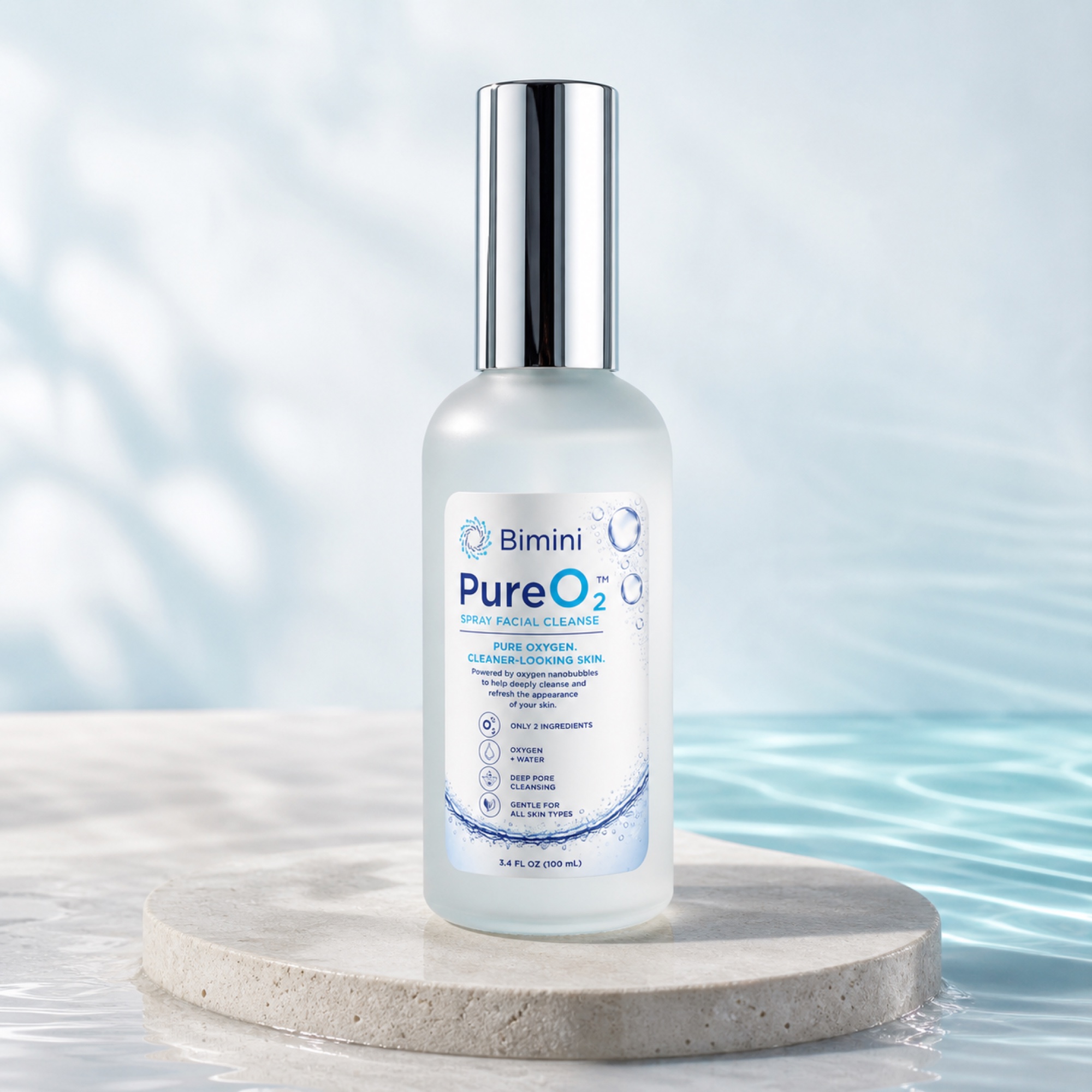
Retail products provide additional revenue without equipment investment. Stock premium recovery products: CBD topicals, magnesium supplements, foam rollers, and home-use recovery tools. Advanced recovery studios are even offering at-home solutions like the Pure O2 Facial Cleanser that extends the benefits of professional oxygen therapy between visits.
Private label your most popular retail products to build brand equity and improve margins. A signature recovery balm or supplement line reinforces your expertise and creates additional touchpoints with clients.
Conclusion: Your Path to Recovery Business Success
Starting a recovery business in 2026 offers exceptional growth potential for entrepreneurs who combine evidence-based modalities with strong business fundamentals. The key to success lies in offering differentiated services that deliver measurable results, creating an exceptional customer experience, and implementing systems that allow profitable scaling.
Focus on equipment that provides proven recovery benefits while maintaining manageable operating costs. Technologies like oxygen nanobubble therapy offer compelling advantages—lower operating costs than cryotherapy, measurable performance benefits validated by university research, and unique positioning that differentiates your facility from competitors.
The recovery businesses thriving in 2026 are those that educate their clients, build community around wellness, and continuously adapt their service offerings based on customer feedback and emerging science. With proper planning, adequate capitalization, and commitment to excellence, your recovery business can achieve profitability within 18 months and scale to multiple locations or licensing opportunities.
Ready to explore cutting-edge recovery equipment for your new business? Schedule a consultation to see how oxygen nanobubble therapy can differentiate your recovery studio and attract athletes seeking the most advanced recovery technology. You can also find locations using this technology to experience it firsthand, or review testimonials from professional athletes who've made it part of their recovery protocols.
Free Download
Recovery Facility ROI Calculator
The exact session math, break-even timelines, and membership pricing models behind profitable recovery services — including a fill-in worksheet for your own numbers. 4 pages, PDF.
No spam — just the PDF and an occasional facility-revenue insight. Unsubscribe anytime.
Frequently Asked Questions
How much does it cost to start a recovery business?
What equipment do I need for a recovery studio?
How profitable is a recovery business?
Do I need special licenses to operate a recovery studio?
What is the best recovery equipment for athletes?
How do I market a new recovery business?
Ready to Build Your Recovery Business?
Join the Bimini dealer program — high-profit margins, complete training, marketing support, and equipment your competitors can’t match.
Related Bimini systems
Keep reading

Jason Applewhite · Founder, Bimini Hydrotherapy
Jason Applewhite is the founder of Bimini Hydrotherapy, where he develops oxygen nanobubble recovery systems used in homes, gyms and training facilities. He works directly with the Rice University research behind the technology and with the athletes and facility owners who use it every day.
Bimini products are wellness devices. They are not medical devices and are not intended to diagnose, treat, cure or prevent any disease. Talk with your doctor about any health condition.