Understanding Hypoxia: Why Oxygen Levels Decline as We Age and How to Combat It
Key Takeaway
Hypoxia—insufficient oxygen to tissues—increases naturally as we age due to declining lung function, cardiovascular changes, and muscle loss. This silent struggle affects energy, cognition, and healing, but oxygen therapy can help compensate.
O₂ Decline Per Decade
Brain O₂ Consumption
Saturation Increase
Safe Usage
In This Article
Quick Facts
- 1Oxygen intake decreases approximately 5% per decade after age 30
- 2The brain consumes 20% of the body's total oxygen
- 3Hypoxia contributes to fatigue, cognitive decline, and slow healing
- 4Transdermal oxygen therapy bypasses respiratory limitations
The Silent Struggle: Hypoxia and Aging
As we journey through life, our bodies undergo countless changes—some visible, like greying hair and wrinkles, and others invisible but equally significant. One of these hidden changes is the gradual increase of hypoxia—a condition where tissues receive insufficient oxygen.
Understanding hypoxia and its effects on aging is crucial for maintaining health and vitality. More importantly, oxygen therapy offers a powerful solution to combat this silent struggle.
Why Oxygen Levels Decline with Age
Several factors contribute to age-related hypoxia:
1. Reduced Lung Function
As we age, our lungs become less elastic and efficient. Lung tissue loses elasticity, breathing muscles weaken, alveoli become less efficient at gas exchange, and oxygen intake decreases by approximately 5% per decade after age 30.
2. Cardiovascular Changes
The aging cardiovascular system struggles to deliver oxygen effectively. Heart pumping efficiency decreases, blood vessels stiffen and narrow, circulation to extremities declines, and oxygen transport becomes less efficient.
3. Muscle Mass Loss (Sarcopenia)
Age-related muscle loss impacts oxygen utilization. Weaker muscles require more oxygen per unit of work, mitochondrial efficiency reduces, fatigue occurs faster during physical activity, and exercise tolerance decreases.
4. Increased Respiratory Conditions
Older adults face higher risk of oxygen-limiting conditions including COPD, sleep apnea, pneumonia, and other respiratory infections.
The Consequences of Chronic Hypoxia
Chronic hypoxia has far-reaching effects on health and quality of life:
Fatigue and Low Energy
Inadequate oxygen means cells can't produce sufficient ATP (energy). This manifests as persistent tiredness, reduced stamina, difficulty with daily activities, and need for frequent rest. This same bioenergetic problem sits at the heart of long COVID and chronic fatigue syndrome, where post-exertional malaise reflects a deeper failure of cellular oxygen utilization rather than simple overexertion.
Cognitive Decline
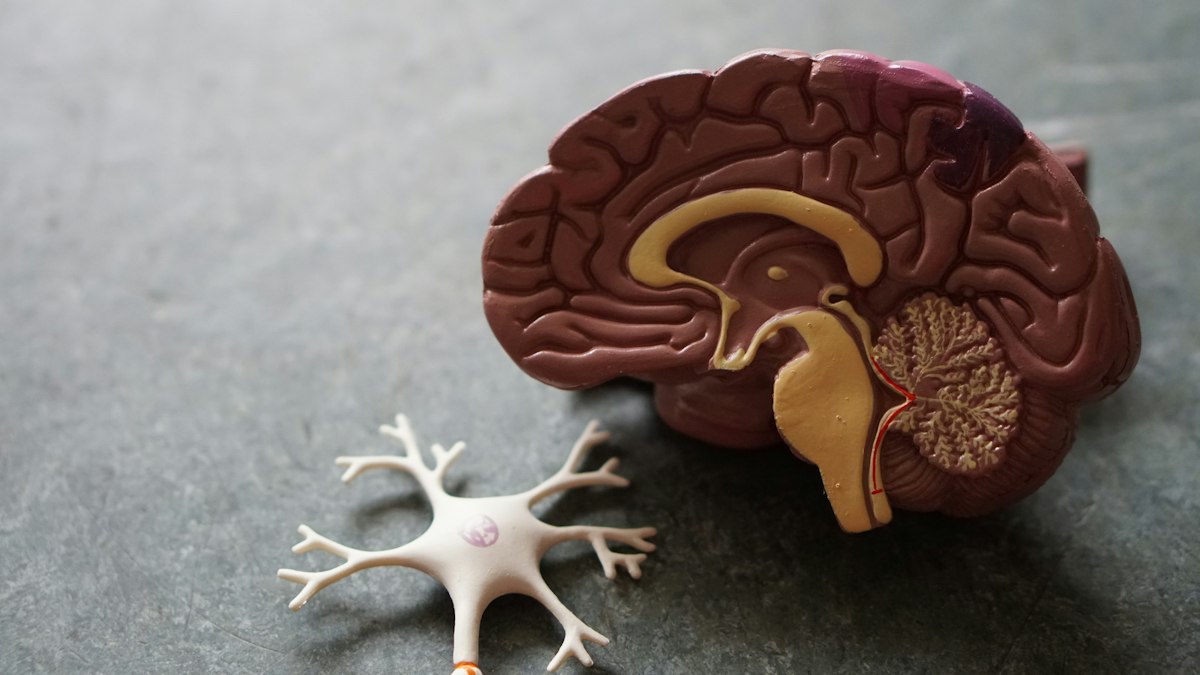
The brain consumes 20% of the body's oxygen. When oxygen levels drop, memory becomes impaired, concentration decreases, risk of dementia increases, and mental clarity suffers.
Cardiovascular Strain
Hypoxia forces the heart to work harder, leading to elevated blood pressure, increased heart rate, higher risk of heart disease, and potential for arrhythmias.
Impaired Wound Healing
Without adequate oxygen, the body struggles to repair itself, resulting in slower recovery from injuries, increased infection risk, prolonged surgical recovery, and chronic wound development.
Combating Hypoxia with Oxygen Therapy
While age-related hypoxia is natural, it doesn't have to control your quality of life. Bimini hydrotherapy offers a powerful solution for increasing oxygen levels throughout your body.
How NanoJet Addresses Hypoxia:
- Bypasses pulmonary limitations — Oxygen enters through skin, not just lungs
- Increases tissue saturation — From 50% to 90%+ oxygen saturation
- Enhances circulation — Warm water opens blood vessels
- Supports cellular function — More oxygen equals more cellular energy
Benefits for Aging Adults:
- Combat fatigue and increase daily energy
- Support cognitive function and mental clarity
- Improve circulation throughout the body
- Accelerate healing and recovery
- Enhance sleep quality
- Reduce systemic inflammation
Lifestyle Strategies to Combat Hypoxia
In addition to oxygen therapy, these strategies help maintain healthy oxygen levels:
Stay Physically Active
Regular exercise improves lung capacity, cardiovascular function, oxygen utilization, and overall circulation.
Maintain Healthy Weight
Excess weight strains your respiratory and cardiovascular systems, reducing oxygen delivery efficiency.
Avoid Smoking
Smoking is the #1 accelerator of lung function decline. It damages alveoli, reduces oxygen absorption, and impairs blood oxygen transport.
Practice Deep Breathing
Breathing exercises help maximize lung function through diaphragmatic breathing, pursed-lip breathing, and yoga/meditation practices.
Consider Oxygen Therapy
For proactive health management, hydrotherapy at home provides regular oxygen supplementation, relaxation benefits, improved circulation, and enhanced quality of life.
The Science of Transdermal Oxygen Therapy
Peer-reviewed research, clinical studies, and the mechanism behind nanobubble oxygen delivery.
Take Control of Your Oxygen Levels
Don't let hypoxia silently impact your health and vitality.
Finance for as low as $311/mo with 0% APR