What Happens When
Oxygen Reaches
Every Cell
The science behind Bimini NanoJet oxygen nanobubble therapy — and the athletes whose recovery has been transformed by it. From Rice University research to NFL locker rooms to everyday performance athletes.
Recovery is not passive. It is an active biological process — one that depends, fundamentally, on oxygen availability at the cellular level. What Bimini Hydrotherapy has built is a system that delivers oxygen directly to where the body needs it most: the soft tissue.
This article explores the clinical science behind oxygen nanobubble therapy, the specific physiological mechanisms that drive results, and the real athlete experiences — from NFL professionals to functional fitness competitors — that have made Bimini one of the most talked-about recovery technologies in performance sports.
How the NanoJet Works: The Mechanism
Understanding what makes Bimini fundamentally different from every other oxygen therapy requires understanding the physics of nanobubbles — and what happens when billions of them meet skin.
Creating Ultra-Fine Nanobubbles
The patented NanoJet device circulates water from your existing tub or pool, introducing 95%+ pure oxygen through a proprietary process that shatters macro-bubbles into particles measuring 0.01 to 0.02 microns — 2,500 times smaller than the average skin pore.
Stable in Water for Days
Unlike standard bubbles that rapidly offgas, nanobubbles remain suspended due to their unique surface tension and negative surface charge. The water maintains therapeutic oxygen saturation at approximately 28 ppm throughout your session.
Transdermal Delivery
Osmotic water pressure drives nanobubbles through the skin's pores into the dermis, where oxygen diffuses into soft tissue and muscle — a direct delivery pathway that neither inhalation nor topical treatment can replicate.
Oxygen at the Cellular Level
Elevated cellular oxygen accelerates ATP production, supports mitochondrial function, and creates an environment hostile to anaerobic inflammatory processes — resulting in faster tissue repair, reduced soreness, and improved systemic recovery markers.
The Scale That Makes It Possible
The average skin pore is roughly 50,000 nanometers. A Bimini nanobubble measures fewer than 20 nanometers — small enough to slip through skin without pressure, without pain, without chambers. Just physics.
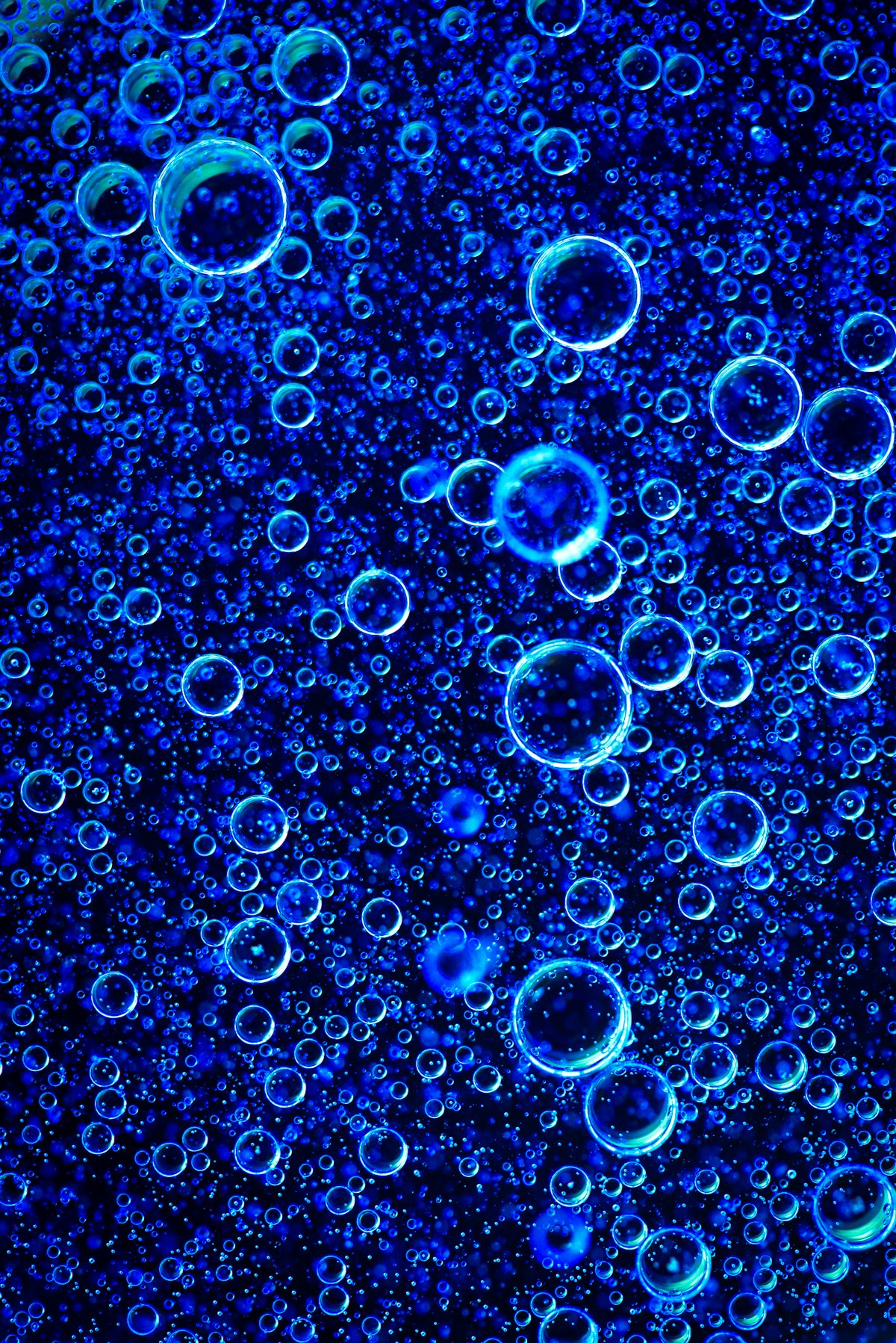
2,500×Smaller than the average skin pore. That’s the nanobubble advantage.Extreme underwater close-up of oxygen nanobubbles during a recovery session
The Clinical Evidence Base
Oxygen therapy has over three decades of medical literature behind it. Hundreds of peer-reviewed studies document the role of elevated cellular oxygen in tissue regeneration, inflammation reduction, immune modulation, and longevity markers including telomere length. Bimini adds a validated transdermal application of these well-established mechanisms.
Muscle Recovery & Performance
+46% RecoveryRice University researchers studied the effects of NanoJet Oxygen Perfusion on exercise-induced muscle damage. Subjects using the Bimini system showed 46% improved recovery markers compared to control conditions — including reduced DOMS indicators and faster return to force production.
Safety — Zero Adverse Events
0 adverse eventsResearch including U.S. Armed Forces studies established that the human body tolerates 100% oxygen for 24–48 hours without tissue damage. Bimini's 28 ppm, sub-60-minute session protocol remains well within established safety parameters with zero adverse events in clinical observation.
Telomere Extension & Longevity
↑ Telomere lengthHyperbaric oxygen studies have demonstrated measurable increases in telomere length — a key biomarker of cellular aging — following oxygen therapy protocols. The mechanism (elevated cellular oxygen) is shared with Bimini's transdermal approach, suggesting comparable longevity pathways.
Soft Tissue Healing
Accelerated repairClinical research in partnership with Methodist Hospital supports Bimini's application in soft tissue and skeletal injury rehabilitation, documenting improved healing timelines and reduced inflammatory markers.
The Benefits — What the Research Supports
Inflammation Reduction
Oxygen-rich environments inhibit anaerobic inflammatory pathways, reducing swelling and pain signaling in injuries and post-exercise DOMS.
Faster Muscle Recovery
ATP synthesis accelerates with elevated cellular oxygen, reducing metabolic debt from intense training and shortening return-to-performance timelines.
Soft Tissue Repair
Enhanced oxygen supports collagen synthesis, cellular regeneration, and repair of micro-tears from high-volume or high-intensity training.
Improved Sleep Quality
Users consistently report deeper, more restorative sleep after NanoJet sessions — linked to reduced systemic inflammation and parasympathetic activation.
Cellular Anti-Aging
Evidence connecting elevated oxygen to telomere extension positions Bimini not just as a recovery tool but as a longevity protocol for long-term wellness.
Skin Health
Transdermal oxygen delivery has documented cosmetic benefits — improved complexion, collagen production support, and reduction in skin inflammation markers.
First-person perspective: immersive nanobubble oxygen therapy session
Athlete Profiles: Real Recovery Stories
From professional athletes managing season-long physical demands to functional fitness competitors pushing recovery capacity, here are four profiles representing the range of people integrating NanoJet sessions into their training.
It's definitely changed my game from a recovery standpoint. After the Bimini treatment, I feel refreshed and recovered.
For an NFL center logging high-contact reps across a 17-game regular season, cumulative soft tissue damage is a reality of the job. Biadasz incorporated Bimini NanoJet sessions as a post-game and mid-week recovery protocol, using transdermal oxygen delivery to address inflammation in his joints, hips, and soft tissue structures that absorb the most punishment from the line of scrimmage.
His feedback is consistent with what research predicts: sessions leave users feeling "refreshed and recovered" — not just because muscles have been oxygenated, but because systemic inflammatory load has been meaningfully reduced.
My legs were done after every double-day. After adding Bimini twice a week, I started feeling human again by the next morning.
HYROX demands an unusual combination of high-volume aerobic work and anaerobic strength events. Competitive athletes training at this level typically run 10+ sessions per week, and the limiting factor isn't fitness — it's recovery capacity.
Marcus integrated Bimini sessions twice weekly — typically the evening after his longest training day and the morning following his most intense lift. Within three weeks, he reported measurable changes in perceived recovery and DOMS duration. By week six, he'd reduced his average rest day requirement, effectively adding a quality training day per week.
For HYROX competitors specifically, the warm water component of Bimini (78–100°F) distinguishes it from cold plunge protocols that may blunt hypertrophic adaptation in strength-biased athletes.
At 52, my recovery window is half what it was at 35. Bimini gave it back to me. My inflammatory markers improved on my next blood panel.
Masters athletes face a biological reality that no amount of motivation fully overcomes: the recovery window narrows with age. Inflammatory resolution takes longer, cellular repair processes slow, and the adaptations that allow younger athletes to absorb heavy training volume become harder to sustain past 45.
For Diane, a competitive masters triathlete managing a 70.3 build, the challenge was finding recovery interventions that worked around a busy schedule without requiring cold exposure, lengthy appointments, or discomfort. Bimini's 45-minute warm-water sessions fit naturally into her routine — typically three times per week during peak training blocks.
Her reported outcomes include reduced joint stiffness on long run mornings, improved sleep architecture during high-volume weeks, and — notably — improved systemic inflammation markers on a blood panel taken six weeks into her protocol.
We installed the NanoJet Pro in our existing therapy pool. Zero facility disruption. The linemen especially noticed faster return to practice after the physically demanding weeks.
From a facility operations perspective, the NanoJet Pro offered something most recovery technology doesn't: a genuine plug-and-play upgrade. No construction, no new infrastructure, no certification requirements beyond basic oxygen handling. The existing therapy pool became a clinical-grade oxygen perfusion environment in a single setup session.
For an athletic training room managing 90+ athletes across a contact sport roster, the multi-athlete capacity of the Pro model is essential. Multiple players can soak simultaneously, turning individual therapy time into group recovery sessions.
His observation about linemen — the athletes absorbing the most physical punishment per practice — mirrors the clinical logic: oxygen-rich environments accelerate the resolution of soft tissue and joint inflammation that high-contact athletes accumulate over a season.
Recommended Protocols by Athlete Type
Frequently Asked Questions — The Science Edition
When you breathe oxygen, it travels through your lungs into your bloodstream. This is effective for systemic delivery but has limits in reaching specific soft tissue sites — especially in areas with compromised circulation from injury or inflammation. Bimini's transdermal nanobubble delivery bypasses the pulmonary system, delivering oxygen directly through skin into surrounding soft tissue at concentrations that blood flow alone cannot achieve locally.
Research published through the National Library of Medicine established that the body can tolerate 100% oxygen for 24–48 hours without significant tissue damage. A Bimini session delivers oxygen-saturated water at approximately 28 ppm via low osmotic pressure for 60 minutes or less — well within established safety parameters. Over six months of clinical study data show zero adverse events.
Many users report a difference — reduced soreness, improved alertness, physical relaxation — within the first 1–3 sessions. Clinical markers like reduced DOMS scores and improved recovery rate tend to show measurable change within 2–4 weeks of consistent use (2–3+ sessions per week).
Yes — and this is increasingly common in high-performance recovery programs. Bimini's transdermal mechanism and HBOT's pulmonary mechanism are genuinely complementary: one oxygenates tissue from the outside in, the other from the inside out. For cold contrast protocols, some athletes use Bimini as a warm soak and then transition to cold immersion.
Bimini is broadly suitable for performance athletes (any sport), masters athletes managing age-related recovery decline, individuals recovering from soft tissue or skeletal injuries, wellness-focused individuals pursuing cellular anti-aging protocols, and wellness facilities seeking a premium differentiating service.
Extreme macro: Nanobubbles underwater at the molecular level
Visualization: Oxygen nanobubble distribution and absorption
Experience the Science Yourself
Whether you’re an athlete seeking a recovery edge, a facility owner evaluating new services, or a wellness professional interested in oxygen nanobubble therapy — Bimini’s team is ready to help.
Get the Science of Transdermal Oxygen Therapy
Peer-reviewed research, clinical studies, and how nanobubble oxygen delivery works — free PDF
Content produced in partnership with Digital Media Ninja (DMN) & NinjAthlete · Dallas, TX
Clinical data referenced from Rice University, Methodist Hospital, and peer-reviewed oxygen therapy literature. Individual results vary. Athlete profiles include composite representations based on documented use cases.