Kaqun baths and Bimini oxygen baths are two distinct oxygen therapy systems that deliver dissolved oxygen through water immersion, but they differ significantly in technology, oxygen concentration methods, and therapeutic applications. Kaqun uses a patented chemical stabilization process to infuse water with oxygen at the molecular level, while Bimini utilizes advanced nanobubble technology to generate 300 million+ oxygen nanobubbles per milliliter. Both systems aim to enhance recovery, reduce inflammation, and improve cellular oxygenation, yet their mechanisms, efficacy profiles, and accessibility vary considerably.
Understanding Kaqun Bath Technology
Kaqun water therapy originated in Hungary and represents a unique approach to oxygenated water treatment. The Kaqun process involves a proprietary method of chemically stabilizing oxygen molecules within water, creating what the company describes as "oxygen-enriched water" with oxygen levels significantly higher than tap water.
How Kaqun Water is Created
The Kaqun system uses a specialized chemical process to bond oxygen molecules to water at the molecular level. This stabilization technique allegedly allows oxygen to remain dissolved in water for extended periods without the rapid off-gassing that occurs with conventional oxygenated water. According to Kaqun literature, their water contains approximately 25-30 mg/L of dissolved oxygen, compared to typical tap water at 8-10 mg/L.
Users typically immerse themselves in Kaqun baths for 20-30 minute sessions, during which the oxygen-enriched water makes contact with the skin. The theory posits that oxygen can be absorbed transdermally (through the skin), bypassing the respiratory system and delivering oxygen directly to tissues and cells.
Clinical Applications of Kaqun Therapy
Kaqun baths have been utilized primarily in European wellness centers and medical facilities, with applications including:
- Chronic inflammation management: Conditions like arthritis and fibromyalgia
- Wound healing: Diabetic ulcers and slow-healing injuries
- Sports recovery: Post-exercise muscle soreness and fatigue
- Immune system support: General wellness and vitality enhancement
- Skin conditions: Eczema, psoriasis, and dermatitis
While some European studies have reported positive outcomes, peer-reviewed research on Kaqun technology in major scientific journals remains limited compared to other oxygen therapy modalities.
Bimini Nanobubble Technology: A Different Approach
Bimini Hydrotherapy takes a fundamentally different approach to oxygen delivery through water by utilizing nanobubble technology—a method that generates ultrafine oxygen bubbles measuring just 0.01 microns in diameter, approximately 5,000 times smaller than human skin pores.
The Science of Oxygen Nanobubbles
Unlike dissolved oxygen or larger microbubbles, nanobubbles exhibit unique physical properties that make them particularly effective for therapeutic applications. When generated in water, these nanobubbles remain stable for extended periods due to their minimal buoyancy and high internal pressure. A single Bimini NanoJet system generates over 300 million nanobubbles per milliliter of water—creating an oxygen-rich environment that far exceeds what's achievable through chemical stabilization alone.
"Nanobubbles have a negatively charged surface that creates repulsion between bubbles, preventing coalescence and maintaining stability in solution for days or even weeks."
This stability means that nanobubbles can penetrate deeply into tissue, delivering oxygen at the cellular level more effectively than larger molecules or bubbles. Research from Rice University demonstrated that oxygen nanobubble therapy accelerated recovery times by 46% compared to standard water immersion, providing robust scientific validation for the technology.
How Bimini Systems Work
Bimini's oxygen nanobubble systems use a proprietary generation process that transforms medical-grade oxygen into billions of nanobubbles. The process involves:
- Oxygen injection: Pure O2 is introduced into the water flow
- Cavitation technology: Specialized nozzles create hydrodynamic conditions that shear oxygen into nanoscale bubbles
- Continuous generation: Nanobubbles are produced throughout the therapy session, maintaining consistent concentrations
- Controlled delivery: Temperature and flow are optimized for maximum therapeutic benefit
This real-time generation approach ensures that oxygen concentrations remain at therapeutic levels throughout each session, unlike pre-treated water that may lose potency over time.
Key Differences Between Kaqun and Bimini Oxygen Baths
Oxygen Delivery Mechanism
The fundamental difference between these systems lies in how oxygen exists in the water. Kaqun relies on chemically stabilized dissolved oxygen at the molecular level, while Bimini delivers oxygen in nanobubble form—a colloidal suspension of ultrafine gas bubbles. This distinction affects bioavailability, penetration depth, and therapeutic efficacy.
Dissolved oxygen molecules in Kaqun water must rely on concentration gradients and passive diffusion to cross the dermal barrier. Nanobubbles, by contrast, can physically penetrate into tissue due to their microscopic size and unique surface properties. At 0.01 microns, nanobubbles are small enough to enter pores, hair follicles, and even potentially cross cellular membranes.
Oxygen Concentration and Stability
Kaqun water typically contains 25-30 mg/L of dissolved oxygen when freshly prepared. However, dissolved oxygen naturally off-gases over time, particularly when exposed to air or temperature changes. This means Kaqun water must be used relatively soon after production to maintain therapeutic oxygen levels.
Bimini nanobubble systems generate oxygen continuously during therapy sessions, maintaining concentrations of 300+ million nanobubbles per milliliter throughout treatment. These nanobubbles remain stable in solution for extended periods due to their physical properties, ensuring consistent oxygen delivery from start to finish.
Scientific Validation and Research
While both technologies have research supporting their use, the depth and breadth of peer-reviewed evidence differs. Kaqun studies have primarily been conducted in European facilities, with limited publication in major international journals. Most available data comes from case studies and observational reports rather than large-scale randomized controlled trials.
Nanobubble technology, conversely, has been extensively studied across multiple industries including aquaculture, agriculture, and medical applications. The Rice University study on oxygen nanobubble therapy for athletic recovery represents just one example of rigorous academic research. Additional studies have examined nanobubble effects on oxidative stress, inflammation markers, and cellular metabolism. More comprehensive research on oxygen nanobubble therapy continues to emerge from leading universities and research institutions.
Equipment and Accessibility
Kaqun therapy typically requires specialized facilities equipped with Kaqun water preparation systems. The water must be produced on-site or transported carefully to maintain oxygen levels, limiting availability primarily to dedicated wellness centers and clinics in Europe. Home-based Kaqun therapy is generally not feasible due to equipment complexity and water preparation requirements.
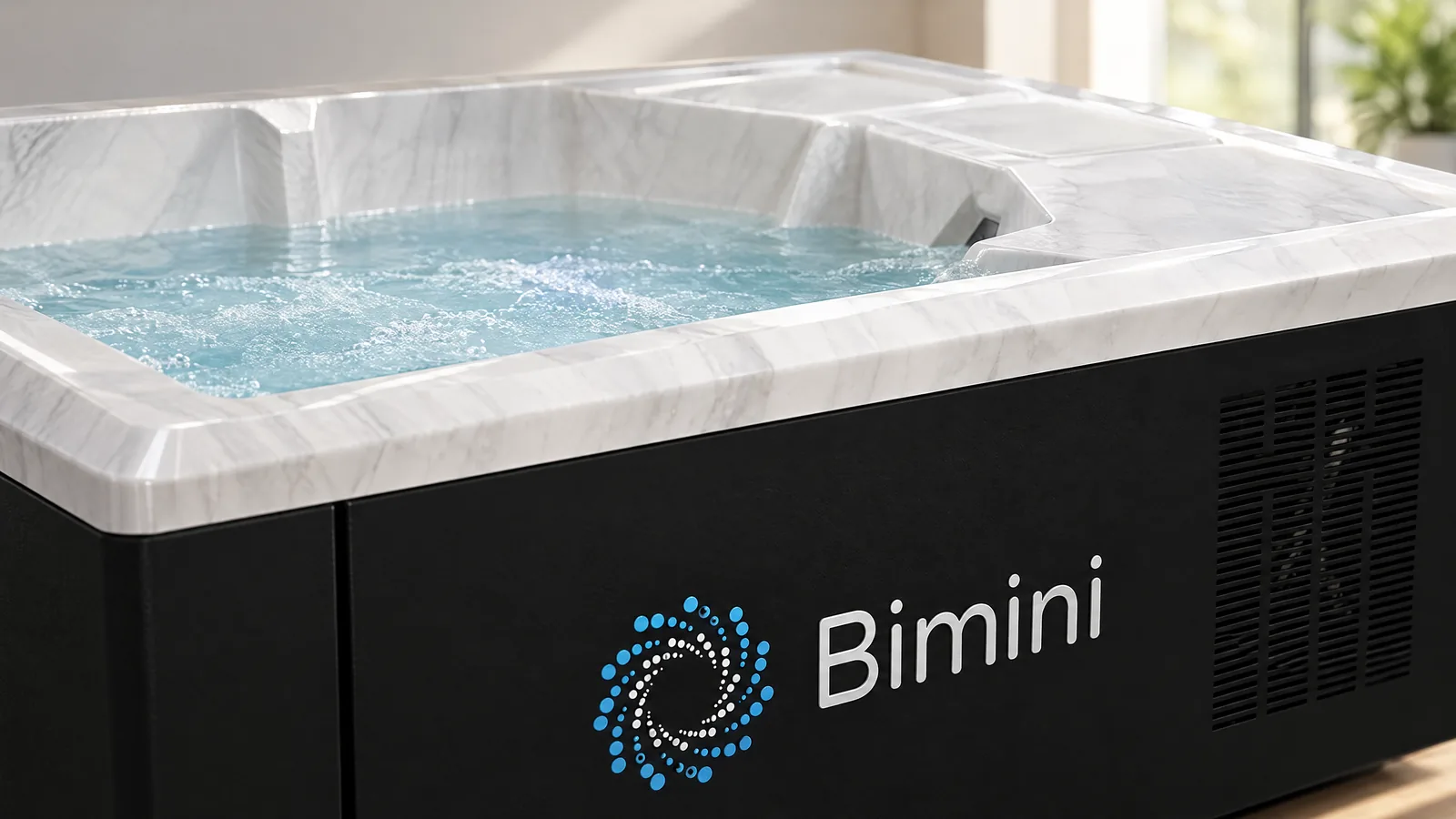
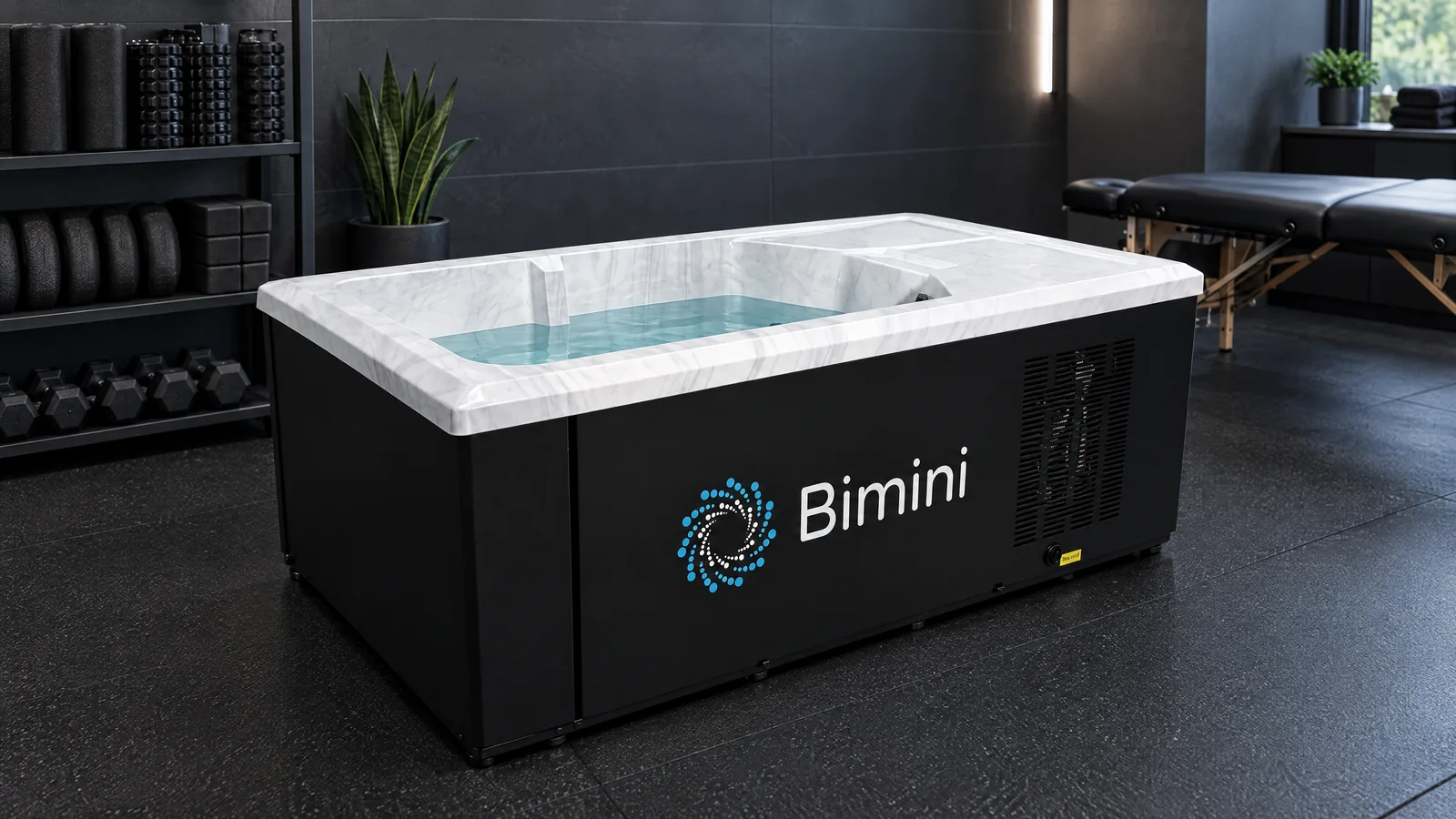
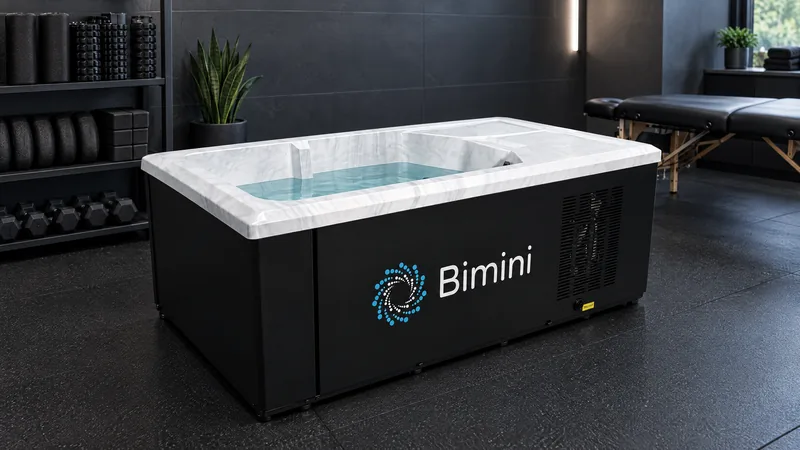
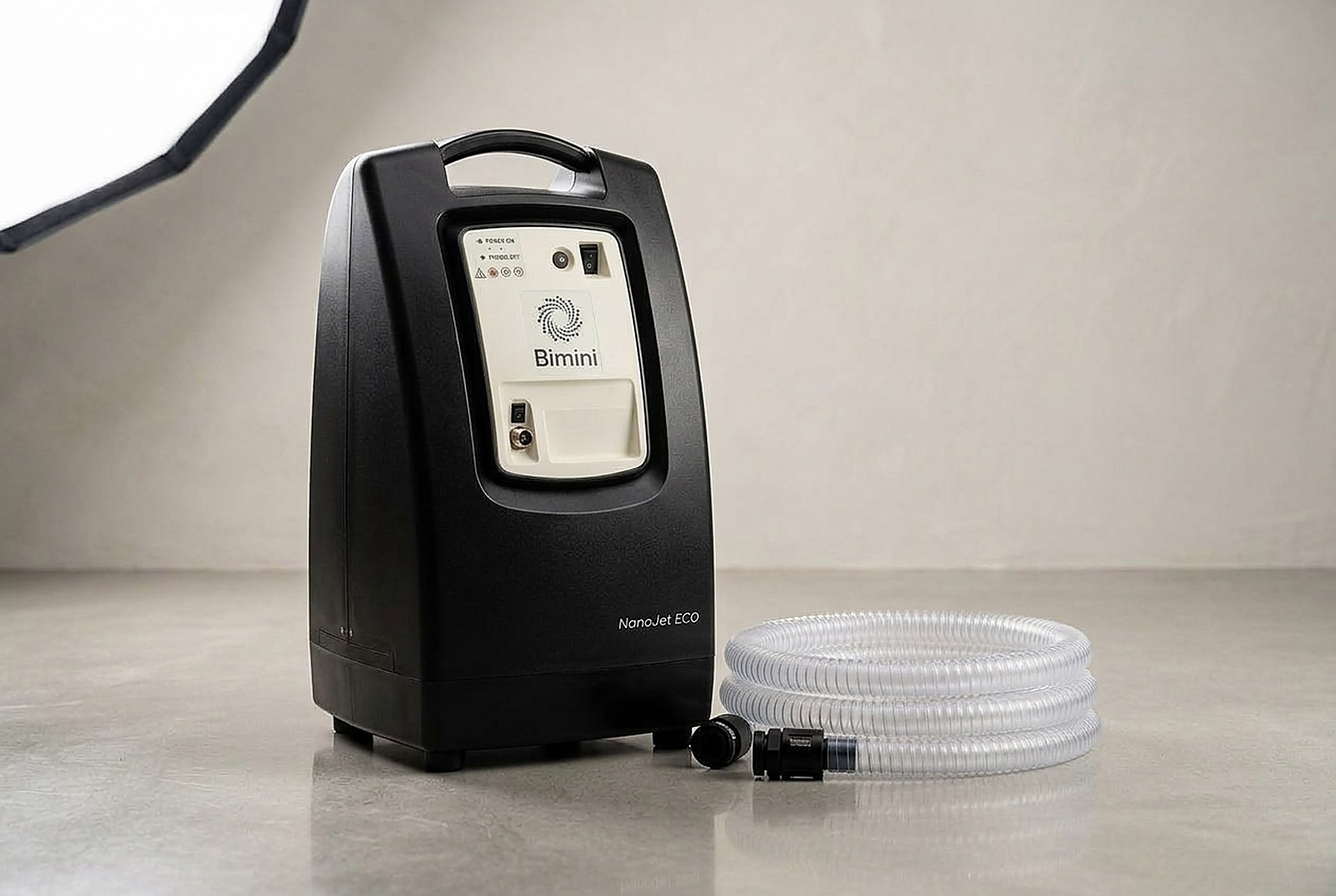
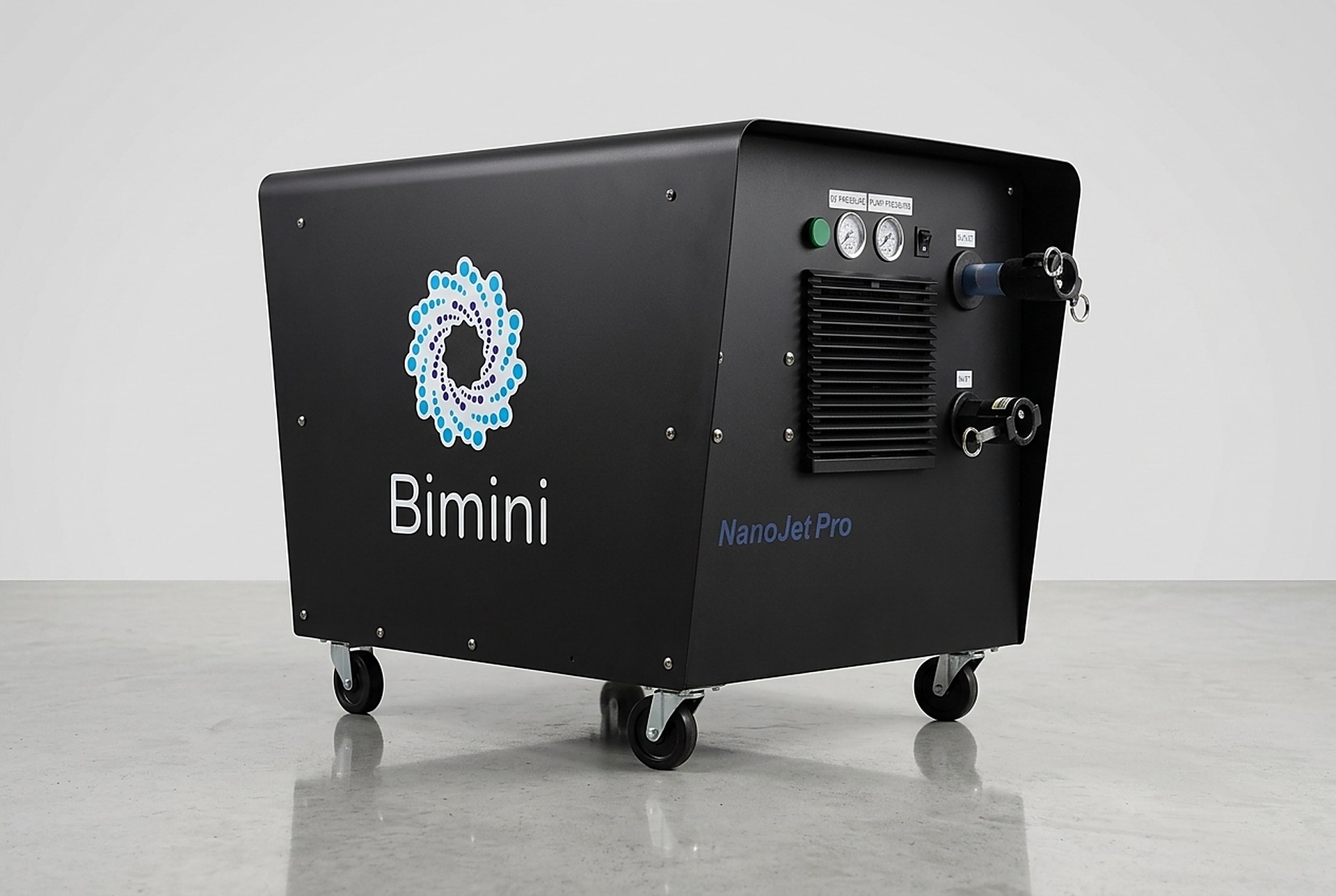
Bimini offers multiple system options designed for different settings. The Bimini NanoJet Eco ($9,650) is a home-based system that transforms any standard bathtub into an oxygen nanobubble therapy station. For commercial applications, the Bimini NanoJet Pro ($18,500) provides clinical-grade treatment in recovery centers and sports facilities, while the Bimini HydroLounge ($42,000) offers a premium full-body experience for high-end spas. This range of options makes nanobubble therapy accessible to individual consumers, professional athletes, and wellness facilities alike.
User Experience and Treatment Protocols
Kaqun bath protocols typically involve 20-30 minute immersions in oxygen-enriched water at body temperature. Users may undergo multiple sessions per week, with treatment courses lasting several weeks to months depending on the condition being addressed. The experience is generally passive, with users simply soaking in the prepared water.
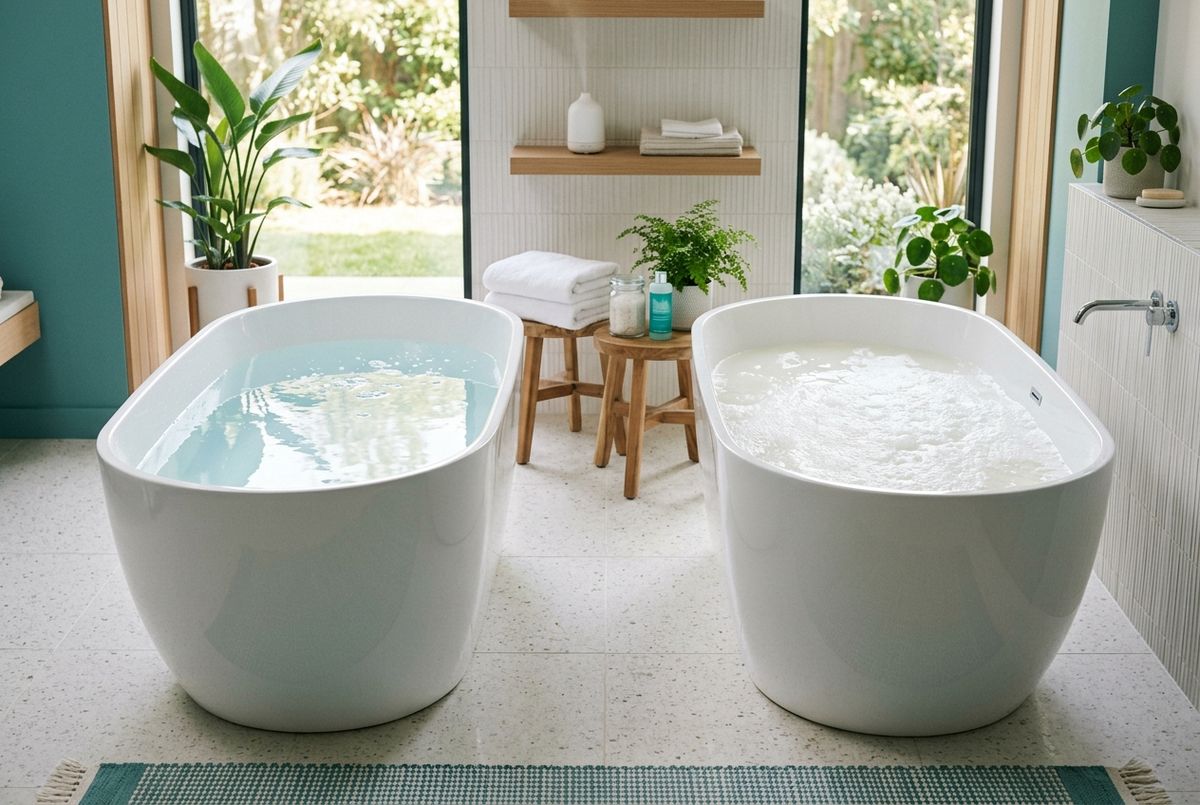
Bimini oxygen baths offer similar session durations but with the added sensory experience of visible nanobubbles creating a milky-white appearance in the water. The continuous generation of fresh nanobubbles means oxygen levels don't diminish during treatment. Many users report a tingling sensation as nanobubbles interact with the skin, and the water often feels silkier and smoother than regular bathwater. Over 100 NFL and NBA athletes currently use Bimini systems for recovery, as documented on the company's athlete testimonials page.
Comparing Therapeutic Outcomes and Applications
Athletic Recovery and Performance
Both systems target athletic recovery, but the mechanisms and documented results differ. Kaqun literature suggests benefits for reducing muscle soreness and accelerating recovery, though quantified performance metrics from controlled studies are scarce.
Bimini's nanobubble technology has demonstrated measurable improvements in recovery metrics. The Rice University study showing 46% faster recovery provides concrete evidence of efficacy. Professional athletes using Bimini systems report reduced inflammation, faster muscle repair, and improved training capacity. The ability to install systems in homes or training facilities allows for consistent, frequent use—a key factor in optimizing recovery protocols.
Skin Health and Aesthetics
Oxygen's role in skin health is well-established, supporting collagen production, cellular turnover, and barrier function. Kaqun baths have been used for various dermatological conditions, with anecdotal reports of improvements in inflammatory skin diseases.
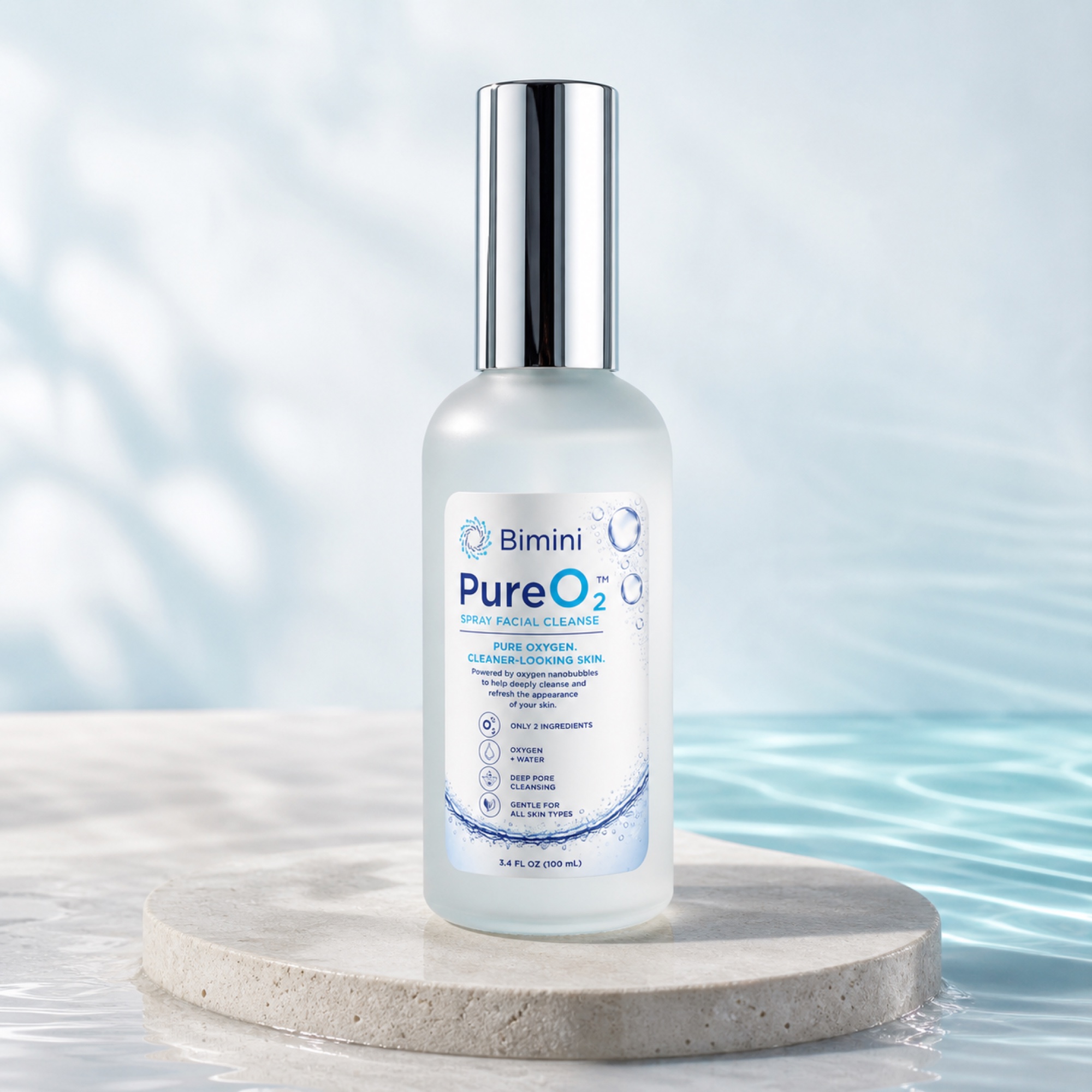
Bimini has expanded into aesthetic applications with products like the Pure O2 Facial Cleanser ($46.99/month), which incorporates dissolved oxygen technology for skincare. The ultrafine size of nanobubbles allows for deep penetration into pores, potentially delivering oxygen to dermal layers where cellular processes occur. The same nanobubble technology used in bath systems may offer advantages for skin rejuvenation and anti-aging applications.
Chronic Conditions and Wellness
For chronic inflammatory conditions, both technologies propose benefits through enhanced tissue oxygenation. Hypoxic (oxygen-deprived) tissues are common in conditions like peripheral vascular disease, diabetes, and arthritis. Increasing local oxygen availability may support healing and reduce inflammation.
The theoretical advantage of nanobubbles lies in their ability to deliver oxygen directly to tissues rather than relying solely on diffusion from dissolved oxygen. This targeted delivery may prove more effective for conditions where oxygen transport is already compromised by vascular insufficiency or metabolic dysfunction.
Cost, Availability, and Practical Considerations
Geographic Availability
Kaqun therapy remains predominantly available in Hungary and select European countries, with limited presence in North America. Users seeking Kaqun treatments typically must travel to dedicated facilities or wellness centers that have invested in the specialized equipment.
Bimini systems are manufactured and distributed throughout North America, with growing international availability. The company maintains a network of locations where individuals can experience nanobubble therapy before purchasing home systems. Additionally, Bimini offers consultation bookings for those interested in exploring the technology for personal or commercial use.
Investment and Operating Costs
Kaqun therapy requires per-session fees at facilities, typically ranging from $50-150 per treatment depending on location and treatment duration. A full therapeutic course might involve 20-30 sessions, representing a significant ongoing expense without the option for home-based treatment.
Bimini's home system (NanoJet Eco at $9,650) represents a one-time investment that enables unlimited treatments. For a family or individual committed to regular oxygen therapy, the cost per session decreases dramatically with frequent use. Commercial systems serve multiple users, making them cost-effective for recovery centers, sports facilities, and wellness spas.
Maintenance and Longevity
Kaqun water production systems require specialized maintenance, water quality monitoring, and consumables for the chemical stabilization process. These ongoing requirements add to operational complexity and cost.
Bimini nanobubble generators require minimal maintenance beyond periodic cleaning and standard hygiene practices. The systems are designed for durability and consistent performance over years of use. Medical-grade oxygen supply is the primary consumable, which is widely available and relatively inexpensive.
Making the Right Choice for Your Needs
When evaluating oxygen bath technologies, several factors should guide your decision:
- Access to technology: Can you readily access Kaqun facilities, or would a home-based Bimini system be more practical?
- Scientific evidence: What level of peer-reviewed research supports each technology for your specific needs?
- Treatment consistency: Do you need daily or weekly access, and would ownership versus facility-based treatment better support your goals?
- Budget considerations: Does ongoing per-session payment or one-time equipment investment align with your financial planning?
- Specific applications: Are you targeting athletic recovery, chronic conditions, skin health, or general wellness?
For athletes, fitness enthusiasts, and individuals seeking convenient, evidence-based oxygen therapy, Bimini's nanobubble technology offers compelling advantages. The combination of rigorous scientific validation, home accessibility, professional athlete endorsement, and measurable outcomes positions nanobubble therapy as a leading option in the oxygenated bath category.
Those with access to Kaqun facilities in Europe who prefer the established European wellness tradition may find value in that system's unique approach, particularly if they're already engaged with integrative medicine practices in those regions.
Conclusion: The Evolution of Oxygen Therapy
The comparison between Kaqun baths and Bimini oxygen baths illustrates the broader evolution of oxygen therapy technologies. While both systems recognize the therapeutic potential of enhanced oxygen delivery through water immersion, they represent different technological philosophies and practical applications.
Kaqun's chemical stabilization approach offers a traditional European wellness modality with decades of clinical use in specialized facilities. Bimini's nanobubble technology represents a newer, scientifically validated approach that leverages cutting-edge physics and engineering to deliver oxygen in an unprecedented form factor.
The accessibility, scientific backing, and demonstrated results of nanobubble therapy make it particularly appealing for the North American market, where professional athletes, biohackers, and wellness-focused individuals seek evidence-based technologies they can integrate into daily routines.
Whether you're a professional athlete optimizing recovery, someone managing a chronic condition, or simply exploring advanced wellness technologies, understanding these differences empowers you to make informed decisions about oxygen therapy. The future of therapeutic oxygen delivery continues to evolve, with nanobubble technology positioned at the forefront of this exciting field.
Ready to experience the benefits of oxygen nanobubble therapy? Schedule a consultation with Bimini Hydrotherapy to learn how nanobubble technology can support your recovery, performance, and wellness goals. Discover why over 100 professional athletes trust Bimini for their therapeutic oxygen needs.
The Science of Transdermal Oxygen Therapy
Peer-reviewed research, clinical studies, and the mechanism behind nanobubble oxygen delivery.
Frequently Asked Questions
What is the main difference between Kaqun baths and Bimini oxygen baths?
Is there scientific research supporting oxygen nanobubble therapy?
Can I use Kaqun water therapy at home?
How much does a Bimini oxygen bath system cost?
Which professional athletes use oxygen bath therapy?
How long does an oxygen bath therapy session last?
Experience Oxygen Therapy
Discover how Bimini’s nanobubble technology can transform your recovery and wellness routine.
Related Bimini systems
Keep reading

Jason Applewhite · Founder, Bimini Hydrotherapy
Jason Applewhite is the founder of Bimini Hydrotherapy, where he develops oxygen nanobubble recovery systems used in homes, gyms and training facilities. He works directly with the Rice University research behind the technology and with the athletes and facility owners who use it every day.
Bimini products are wellness devices. They are not medical devices and are not intended to diagnose, treat, cure or prevent any disease. Talk with your doctor about any health condition.