When you're interested in recovery methods, you've probably heard about ice baths. Cold water immersion is popular in fitness culture. You may also have encountered oxygen water therapy. These are different approaches that use different mechanics. Let me break down oxygen water therapy vs ice baths so you can understand how each works.
What's the Core Difference Between Oxygen Water Therapy and Ice Baths?
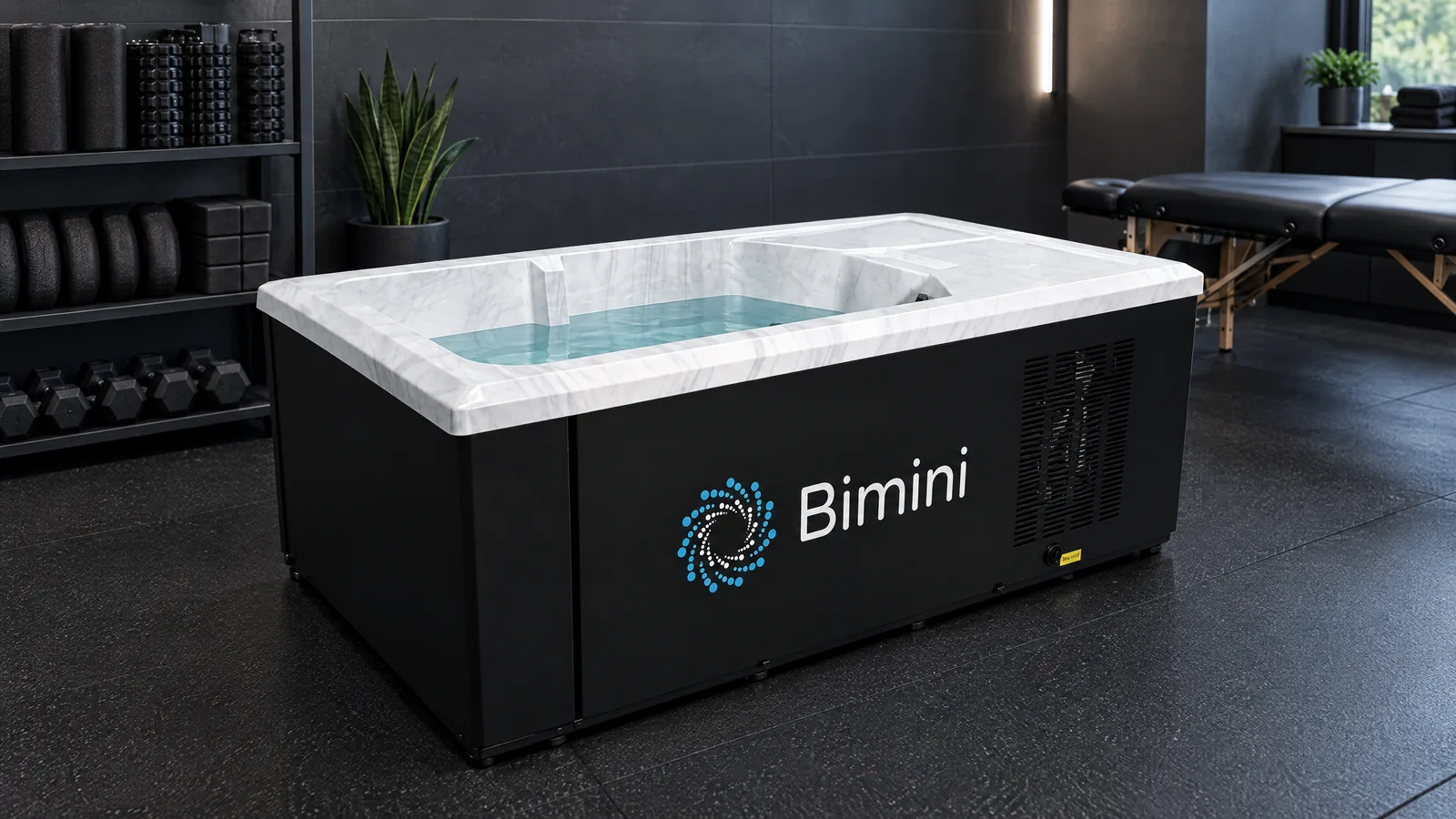
Ice baths work through cold water immersion. When you submerge yourself in cold water, your body experiences a temperature change. Blood vessels respond to the cold. Your nervous system activates in response to the temperature.
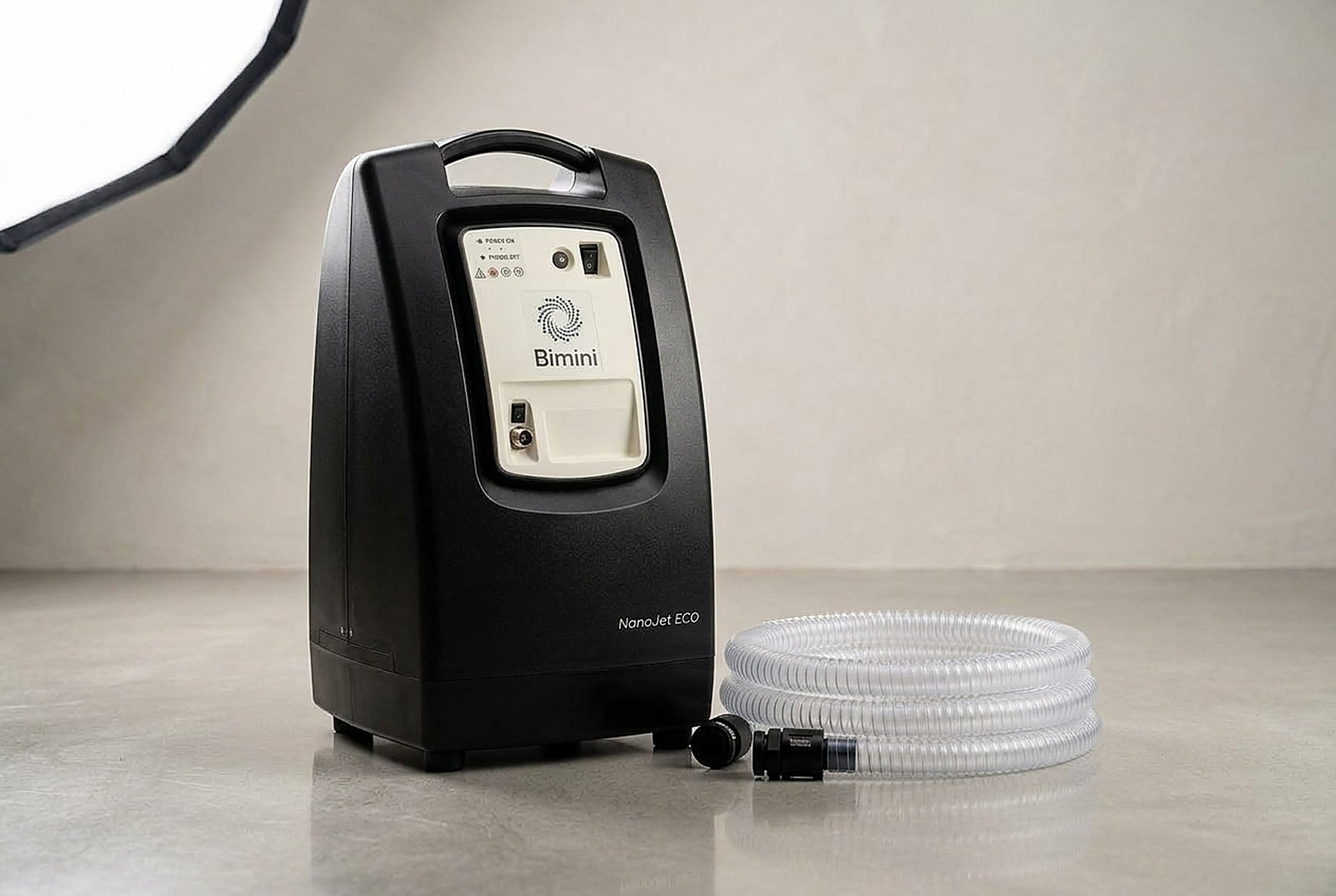
Oxygen water therapy works through dissolved oxygen at the nanoscale. Instead of relying on temperature, systems like the NanoJet Eco infuse water with oxygen nanobubbles that stay suspended in the water. When you soak in oxygenated water, your skin is exposed to those nanobubbles. The difference is fundamental: one uses cold, the other uses oxygen saturation.
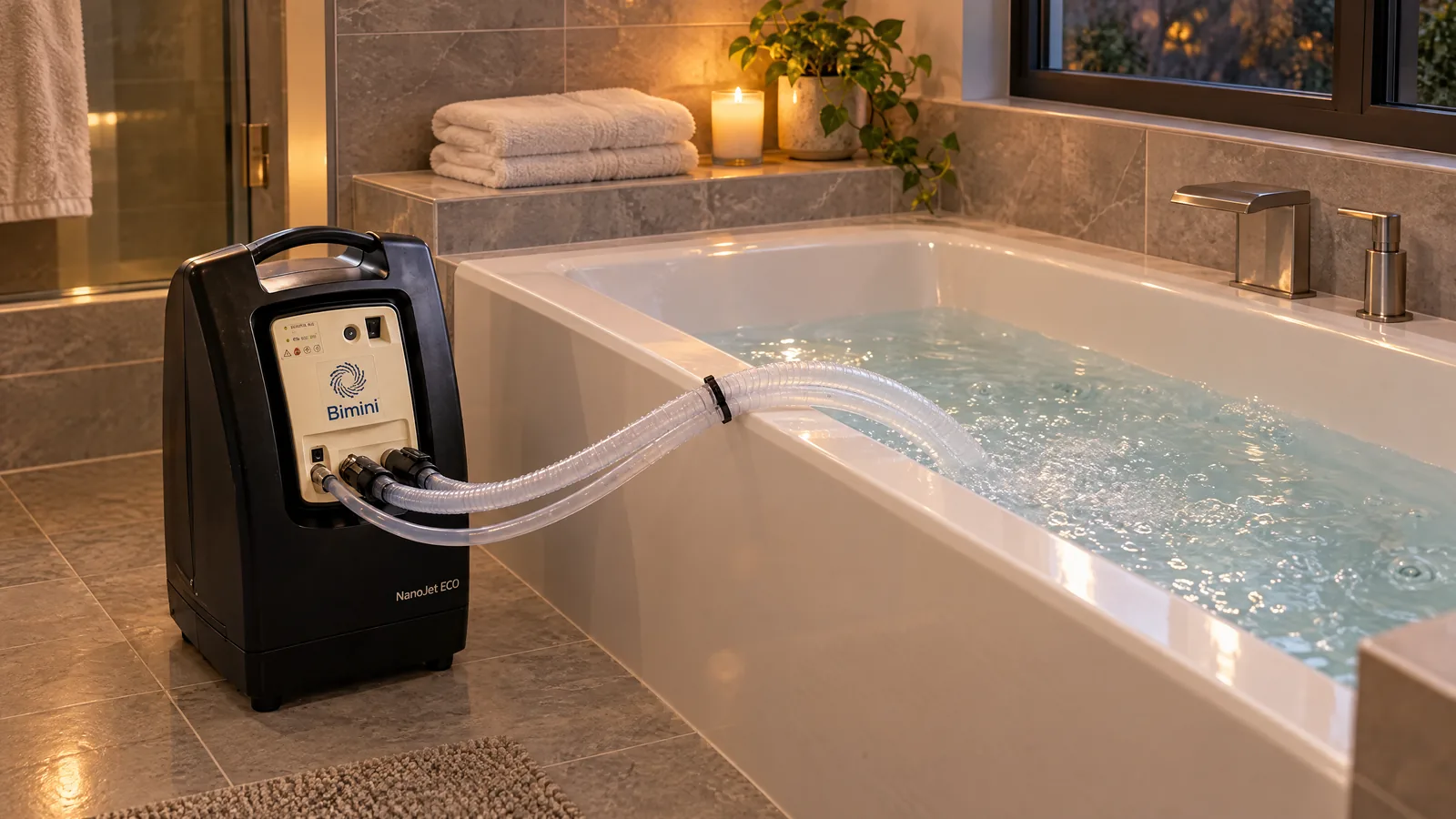
That distinction matters because your body responds to them in different ways. Cold triggers a physiological response. Nanobubble-infused water delivers oxygen through skin contact without temperature change.
How Ice Baths Work
Ice baths have been used in recovery routines for decades.
Cold water immersion causes blood vessel constriction. When you immerse yourself in cold water, your body's blood flow patterns change in response to the temperature.
Beyond the physical response, regular ice bath exposure involves mental challenge. Stepping into cold water is uncomfortable. Your brain must manage the discomfort response. Over time, exposure to cold water involves building tolerance to the sensation.
Cold water immersion affects your nervous system and body temperature regulation. Some people incorporate cold water exposure into their routines.
The practical considerations: ice baths require consistent cold water access, they trigger a physiological stress response, and the temperature change can be intense for your nervous system.
How Oxygen Water Therapy Works
Oxygen water therapy uses a different approach. Instead of cold water immersion, oxygenated water delivers oxygen through skin contact at room temperature or warm water temperatures.
Related: Transdermal Oxygen Therapy for Muscle Soreness: What Works
Related: Cold Water Immersion vs Oxygen Hydrotherapy: Which Works Best?
When you immerse yourself in nanobubble-infused water, those oxygen molecules interact with your skin layers. Your tissues are exposed to the oxygen directly. This is different from ice baths, which work through temperature-based physiological responses.
The experience is also different. You soak in room-temperature or warm oxygenated water. There is no temperature shock, and your body stays at a comfortable temperature while tissues are exposed to oxygenated water.
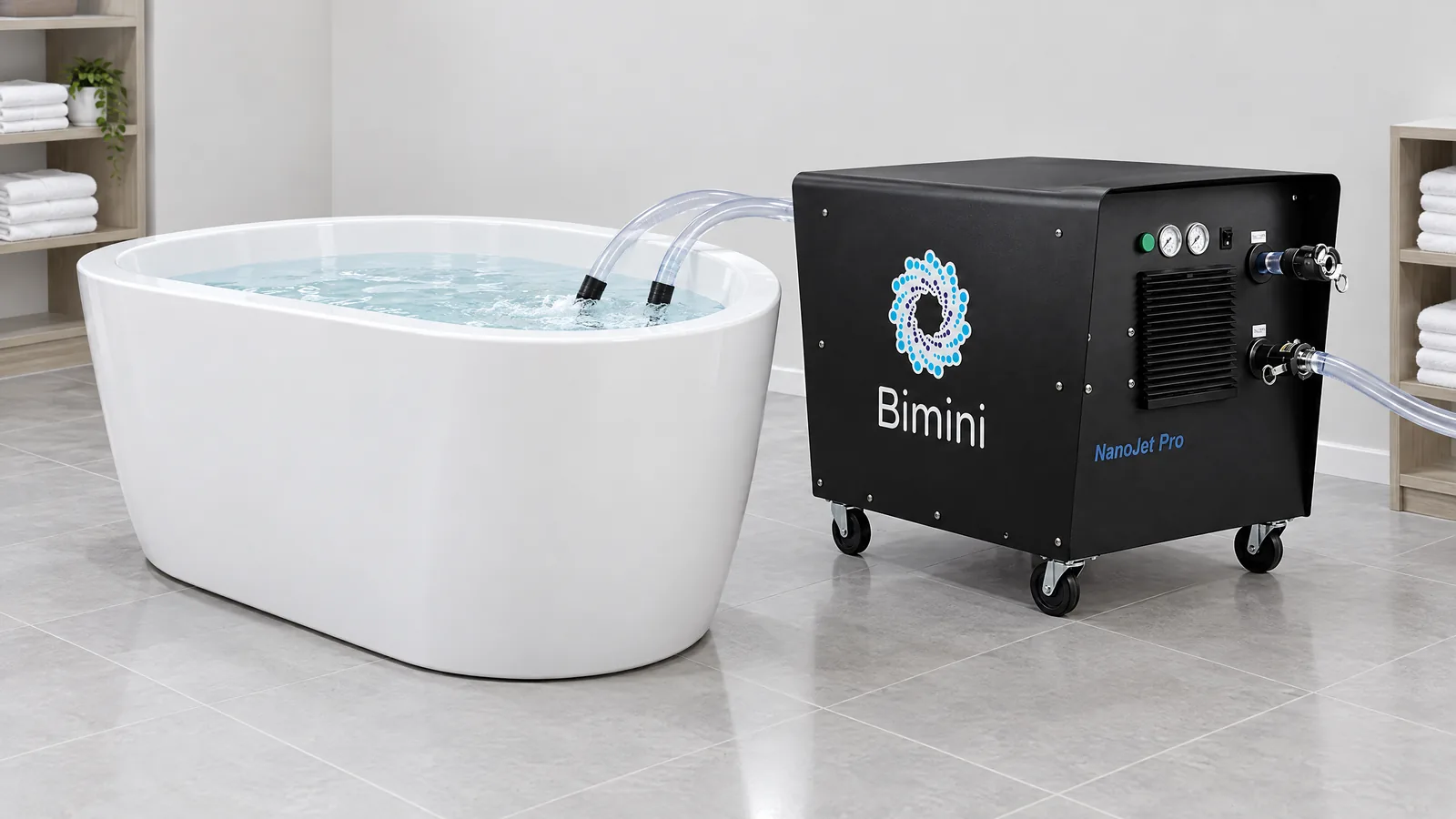
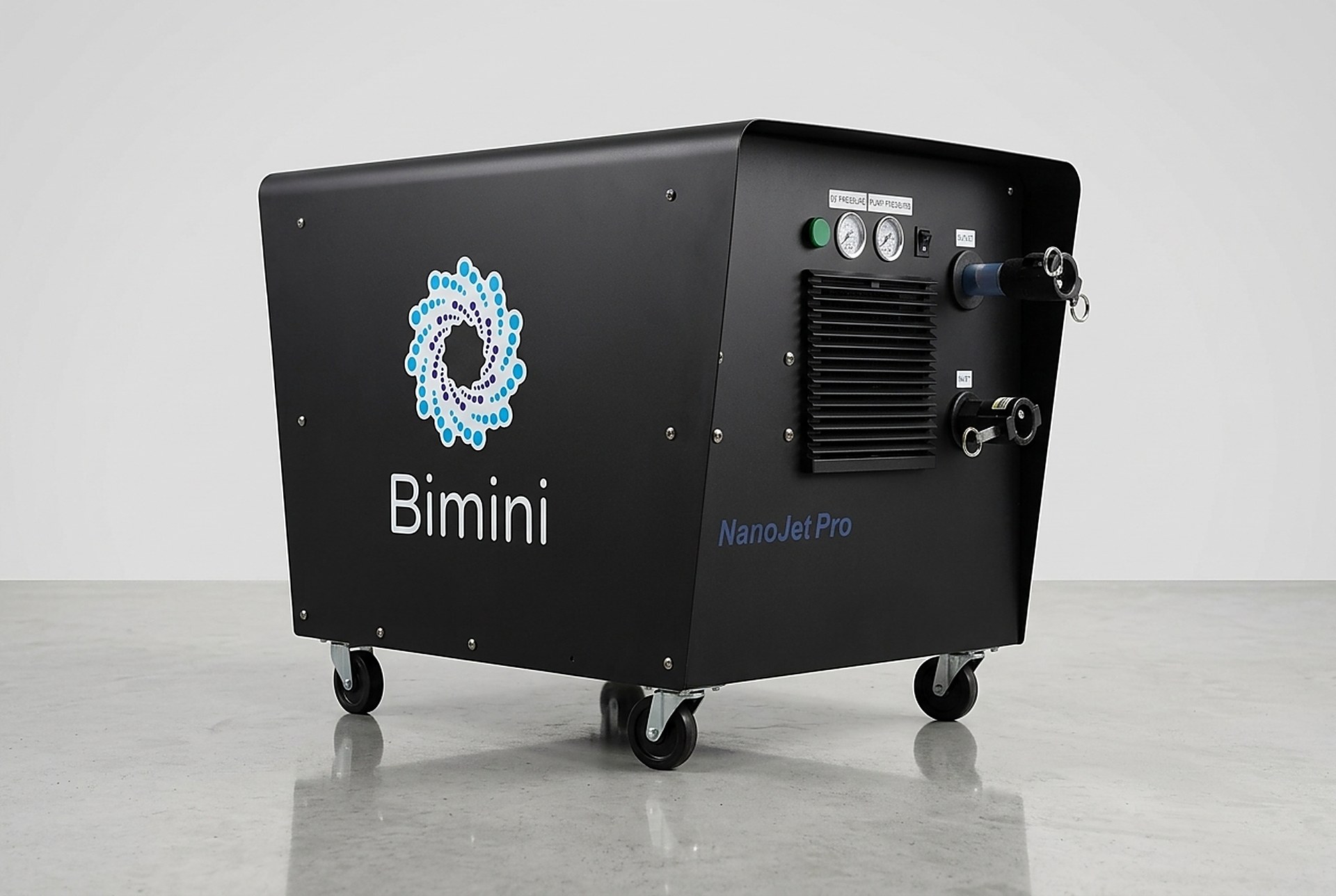
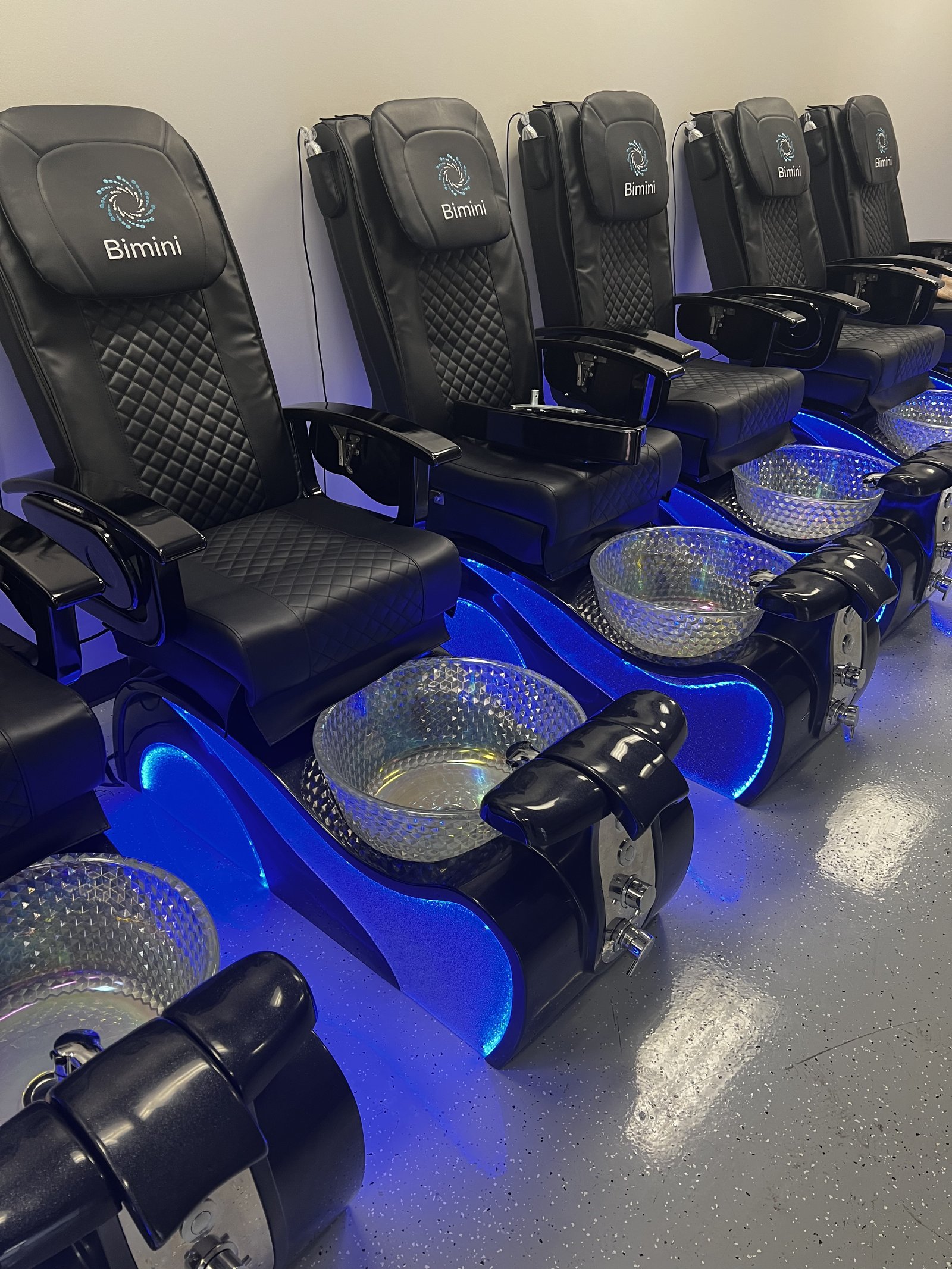
Commercial and home systems like the NanoJet Pro are designed to make this accessible for athletes, teams, and wellness-focused individuals. The HydroLounge offers a seated option if you prefer foot and leg immersion without a full tub. You can use oxygen water therapy regularly without the temperature shock that cold water brings.
Oxygen Water Therapy vs Ice Baths: Key Differences at a Glance
- Temperature: Ice baths use cold (typically 50-60°F). Oxygen water therapy uses room temperature or warm water.
- Mechanism: Ice baths work through cold water immersion and blood vessel constriction. Oxygen water therapy delivers oxygen through skin contact.
- Experience: Ice baths involve temperature shock and discomfort. Oxygen water therapy uses comfortable water temperatures.
- Nervous system response: Ice baths trigger acute physiological stress response. Oxygen water therapy does not involve temperature-based stress response.
- Equipment: Ice baths need constant ice supply or specialized equipment. Oxygen water therapy systems handle oxygenation automatically.
- Frequency: Ice baths are typically used post-workout or 2-3 times per week. Oxygen water therapy can be used regularly.
Which One Should You Choose?
Your choice depends on your preferences, what fits into your life, and what you want to use.
Choose ice baths if you want cold water immersion after intense training, if you prefer the temperature-based response, and if you have reliable access to cold water. Ice baths involve cold water exposure for post-workout use.
Choose oxygen water therapy if you're looking for oxygen delivery through skin contact without temperature change, if you prefer comfortable water temperatures during immersion, and if you want to use recovery tools regularly. Oxygen water therapy involves room-temperature or warm water immersion.
If you want to explore oxygenated water recovery further, biminihydrotherapy.com offers systems designed specifically for this purpose, from portable home units to commercial facility setups.
Can You Use Both?
Yes. Many people use ice baths and oxygen water therapy as separate tools. Some use them on different days, and others rotate them based on their preferences.
Some people incorporate both cold and warm water immersion into their routines. The key is finding what you prefer and what you'll actually use long-term.
The Bottom Line
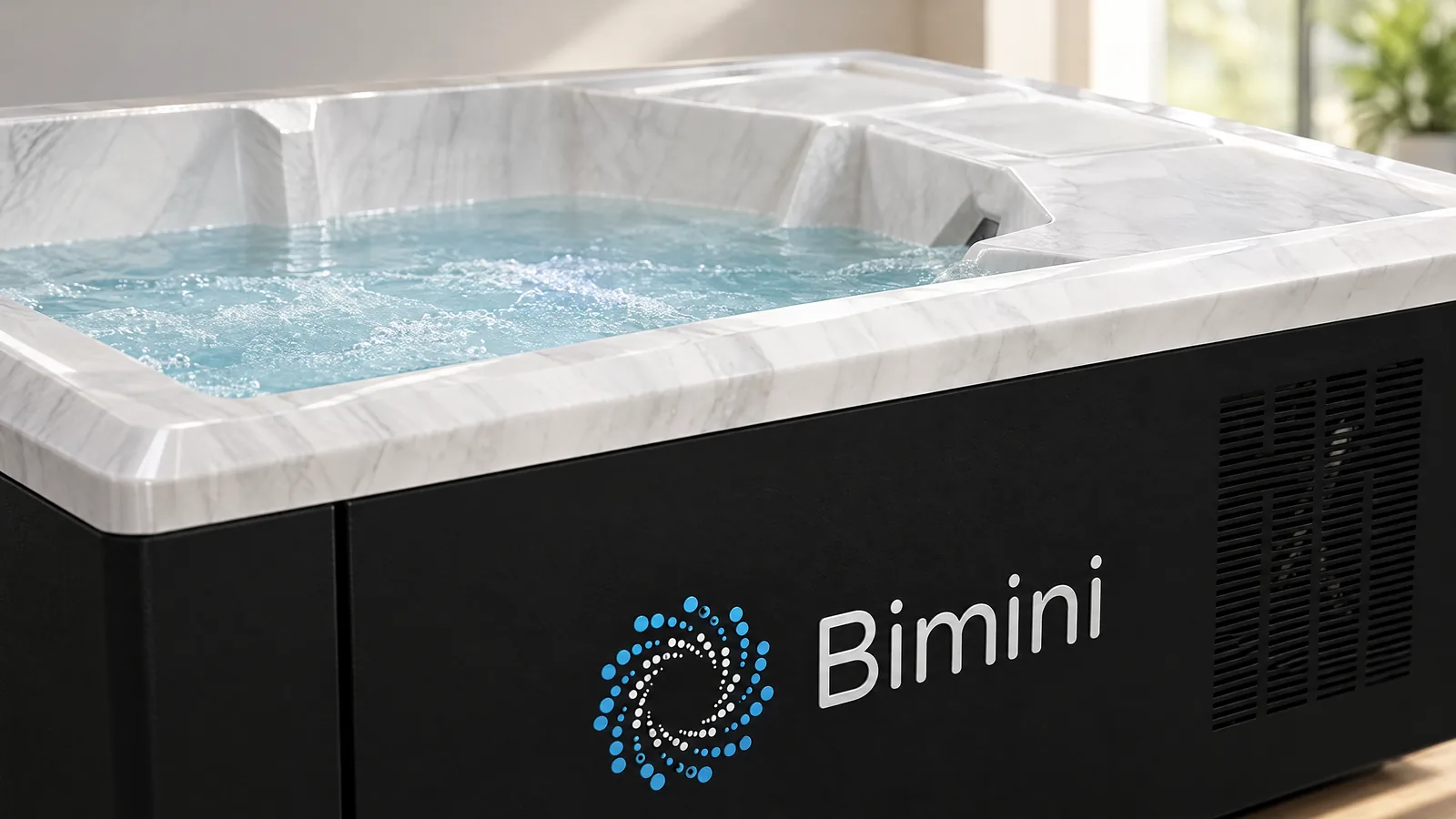
Oxygen water therapy and ice baths are different tools that work through different mechanisms. Ice baths use cold water immersion. Oxygen water therapy uses nanobubble-saturated water at comfortable temperatures.
If you're considering recovery methods, understanding this distinction helps you choose the approach that fits your preferences. Your choice depends on your goals, preferences, and what fits your life.
FAQs About Oxygen Water Therapy vs Ice Baths
How do oxygen water therapy and ice baths differ?
They work through different mechanisms. Ice baths involve cold water immersion. Oxygen water therapy delivers oxygen through skin contact using room-temperature or warm water. Your choice depends on your preferences and what you want to use.
How often can I use oxygen water therapy?
Oxygen water therapy can be used regularly since it does not involve temperature shock. The frequency depends on your preferences and routine. Refer to the manufacturer instructions for your specific system.
How long should I stay in an ice bath vs an oxygen water bath?
Ice bath sessions typically last 10-15 minutes. Oxygen water immersion sessions can be longer—20-30 minutes is common—since you're not experiencing temperature shock. Refer to the manufacturer instructions for your specific equipment.
Do I need special equipment for oxygen water therapy?
Yes, you need an oxygen nanobubble system to infuse water with nanobubbles. Ice baths require cold water (ice, a cold plunge, or specialized equipment). If you're interested in oxygen water therapy systems for home or facility use, check out what's available at biminihydrotherapy.com.
The Science of Transdermal Oxygen Therapy
Published research, the Rice Sports Medicine pilot white paper, and the mechanism behind nanobubble oxygen delivery.
Related Bimini systems
Keep reading

Jason Applewhite · Founder, Bimini Hydrotherapy
Jason Applewhite is the founder of Bimini Hydrotherapy. He develops oxygen nanobubble recovery systems used in homes, gyms and training facilities, and works directly with the athletes and facility owners who use them, including Rice University Athletics, where the Sports Medicine department ran a pilot evaluation of the NanoJet.
Bimini products are wellness devices. They are not medical devices and are not intended to diagnose, treat, cure or prevent any disease. Talk with your doctor about any health condition.