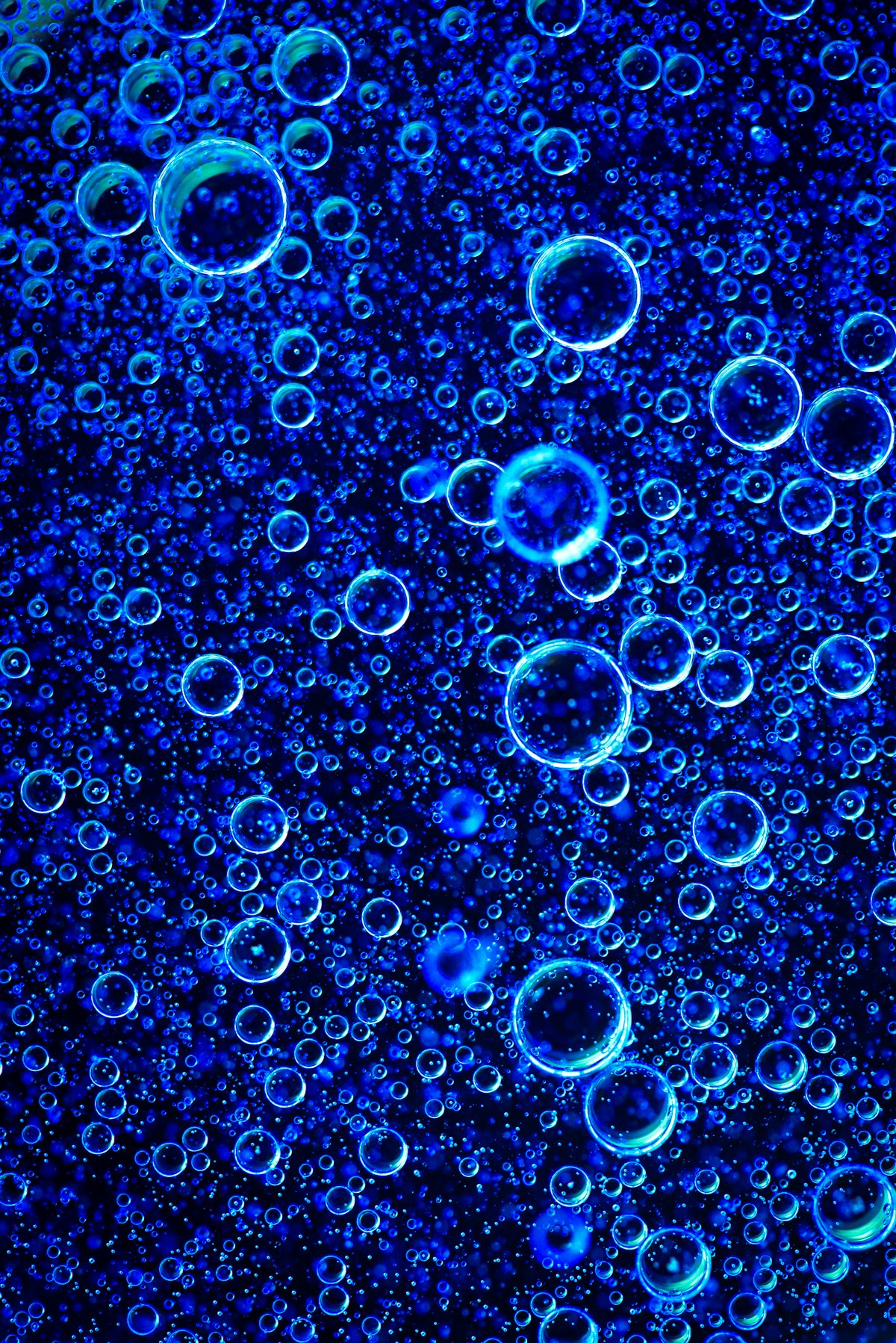
"Oxygen nanobubble therapy" sounds futuristic, but the science behind it is straightforward. Take warm water. Inject oxygen at high pressure through a generator that produces bubbles smaller than 100 nanometers — about 5,000 times smaller than a human pore. These ultra-small bubbles stay stable in water for hours (they don't float up and pop like regular bubbles), and when you immerse yourself in the water, the oxygen diffuses transdermally into the tissue beneath your skin.
That's it. That's the whole mechanism. No pressurization, no medication, no electrical stimulation. Just oxygen, delivered to tissue the way your circulatory system would deliver it — but bypassing the bottleneck of hemoglobin and capillary flow that limits how much oxygen reaches working muscle, healing wounds, or aging skin.
The Two Words That Make This Work: "Nano" and "Bubble"
Normal bubbles you see in a hot tub or carbonated drink are macro bubbles — typically 1+ millimeters across. They float to the surface and pop within seconds because surface tension is unstable at that size. Useless for tissue delivery.
Micro bubbles (10–100 micrometers) are smaller and last longer, but still rise and burst within minutes. Effective for some industrial applications, not for tissue oxygenation.
Nanobubbles sit at the 70–120 nanometer range — three orders of magnitude smaller than microbubbles. At this scale, three things happen that change everything:
- They don't rise. The buoyancy force is so weak relative to Brownian motion that nanobubbles diffuse in all directions, distributing evenly through the water.
- They don't pop. Surface tension at nanoscale stabilizes them for hours, sometimes days, depending on water chemistry.
- They penetrate skin. A 100nm bubble is smaller than the gap between skin cells. Oxygen rides into tissue passively, no force required.
This is the breakthrough. Until commercial nanobubble generation became economically viable around 2015, "delivering oxygen through skin" was theoretical. Bimini's Bimini oxygen systems were among the first to bring it to home and clinical use at consumer-friendly prices.
How Many Nanobubbles? The Density Math
Bimini's NanoJet Eco generates over 300 million nanobubbles per milliliter of water during operation. To put that in perspective:
- A standard household bathtub holds roughly 150 liters (150,000 mL)
- That's 4.5 × 10¹³ — forty-five trillion — oxygen nanobubbles in one bath
- Each nanobubble carries a stable payload of dissolved oxygen at concentrations approximately 30× higher than what passive aeration would achieve
The result, measured by near-infrared spectroscopy (NIRS), is a measurable rise in tissue oxygen saturation within 10–15 minutes of immersion — typically from a resting 50% O₂ saturation up to 90%+ in the immersed muscle group.
What Happens at the Cellular Level
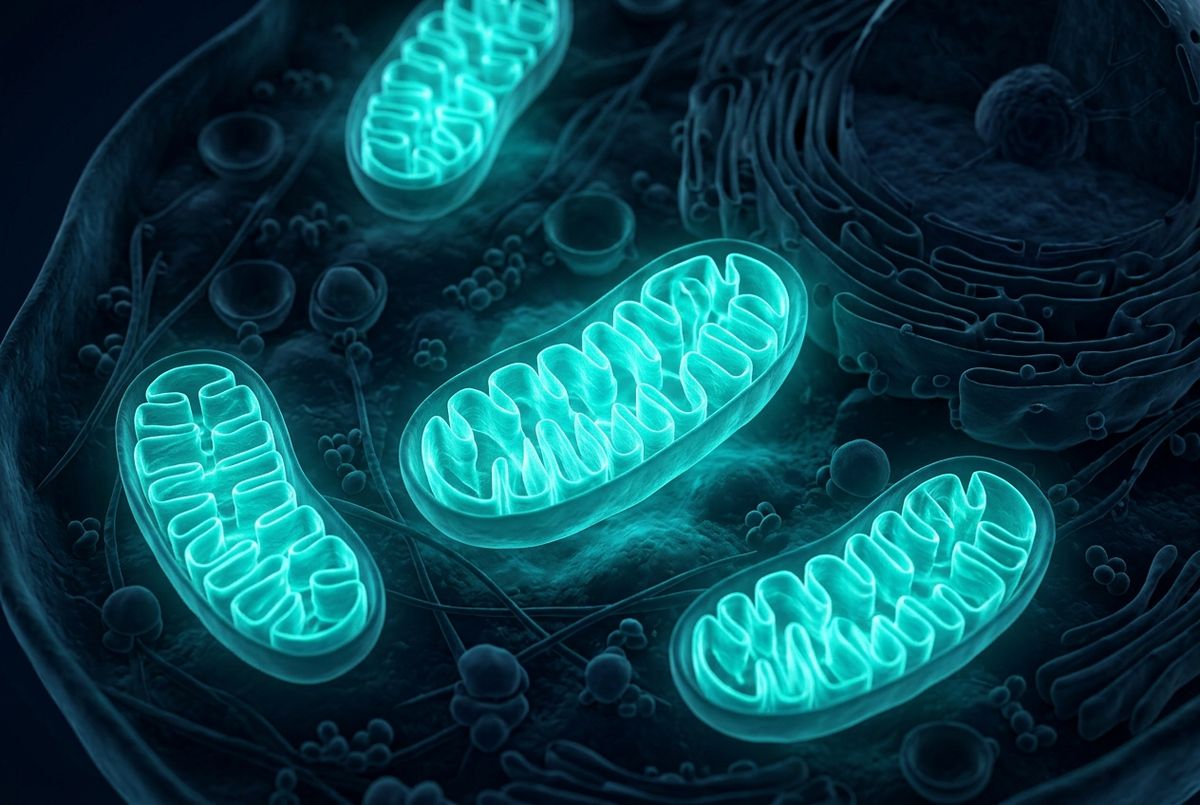
Once nanobubble-delivered oxygen reaches tissue, it enters the same pathway as oxygen that arrived via the lungs and bloodstream — it ends up at the mitochondrial electron transport chain, where it bonds with electrons to produce ATP (cellular energy).
Three immediate consequences:
- More ATP availability — cells under recovery load (post-exercise, post-injury, post-illness) get the substrate they need to repair faster.
- Reduced oxidative stress — counterintuitively, well-oxygenated mitochondria leak fewer reactive oxygen species (ROS) than oxygen-starved ones. Less inflammation, less cellular damage.
- Enhanced mitophagy and mitobiogenesis — the cellular cleanup-and-regenerate processes that drive long-term health. Both are ATP-expensive and stall under oxygen limitation.
For a deeper dive into the mitochondrial angle, see our mitochondrial health and oxygen therapy guide.
Why Transdermal Delivery Matters
The obvious question: why not just breathe more oxygen?
The answer is the rate-limiting step. Healthy lungs already saturate hemoglobin to ~99% in seconds. Once hemoglobin is full, breathing more oxygen doesn't deliver more to tissue — it just dissolves a tiny bit more into plasma, which is why hyperbaric chamber protocols require pressurization to overcome that ceiling.
Transdermal nanobubble delivery sidesteps the bottleneck entirely. Oxygen enters tissue directly by diffusion through skin, completely independent of hemoglobin saturation, capillary density, or lung function. This is why it's particularly powerful for:
- Older adults whose capillary density has declined 20–30% from young-adult baseline
- Diabetic patients with microvascular dysfunction
- Athletes in regional muscle hypoxia post-training
- People with iron-deficiency-limited oxygen-carrying capacity
- Post-COVID and chronic-fatigue patients with documented mitochondrial dysfunction
The Rice University Validation
The most-cited clinical result for oxygen nanobubble therapy comes from Rice University's Department of Bioengineering, which ran an athlete-recovery study comparing nanobubble immersion against conventional recovery methods. Key findings:
- 46% faster recovery across measured biomarkers (creatine kinase clearance, perceived soreness, performance-readiness scores) for the nanobubble cohort
- Significant reductions in self-reported DOMS at 24 and 48 hours post-exercise
- Faster restoration of muscle oxygen saturation to baseline post-effort
This study is the citation backbone for the entire category — and a big part of why over 30 NFL athletes, Olympic champions, and NCAA programs added nanobubble systems to their daily recovery toolkit.
How Bimini Generates Nanobubbles
Bimini's NanoJet systems use a proprietary high-pressure dissolution + cavitation process — water flows through a generator chamber where oxygen is injected at high pressure, then released through a precision nozzle that produces stable nanobubbles in the 70–120nm range. The output is then circulated through the immersion tub (an oxygen baths setup using your existing bathtub for the Eco model, or a purpose-built unit for the HydroLounge commercial system).
The result: a consistent, measurable 300M+ nanobubbles per mL during operation, sustained for the entire 30-60 minute session.
Common Misconceptions
- "It's just hot water." No — temperature is part of the experience but the active mechanism is oxygen diffusion. Without the nanobubble generator, you're getting heat without oxygen delivery.
- "It's the same as ionic foot baths or other 'detox' devices." No — those have no published mechanism. Nanobubble oxygen therapy has measurable physical effects validated by NIRS, biochemistry, and clinical outcomes.
- "You can replicate it by breathing more." No — see the hemoglobin saturation ceiling above. Lung-based delivery has hard physiological limits that transdermal delivery bypasses.
- "It's only useful for athletes." Athletes are the most visible use case (because they measure recovery rigorously), but the underlying mechanism — cellular oxygen delivery — is relevant to anyone with mitochondrial demand: aging adults, post-illness recovery, chronic fatigue, post-surgical recovery, and longevity-focused users.
Where Nanobubble Technology Came From
Stable nanobubble generation is genuinely new physics — for decades it was assumed that bubbles below a certain diameter couldn't exist in water because surface tension would either collapse them instantly or force them to merge into larger bubbles. The breakthrough came from a combination of high-pressure dissolution techniques, precision cavitation nozzles, and a better theoretical understanding of how water structures around tiny gas pockets.
Today the technology has applications well beyond hydrotherapy — agricultural irrigation (nanobubble-oxygenated water dramatically improves crop yields), aquaculture (fish farms use nanobubble oxygenation to increase stocking density), water treatment (nanobubble ozone kills pathogens without chemical residue), and now consumer wellness. The medical and athletic recovery use case rides on the same underlying physics.
What a Typical Bimini Session Feels Like
Subjective experience matters because compliance does. Here's what most first-time users report:
- Minutes 0-5: Water feels noticeably "softer" or "silkier" than standard tap water (the nanobubble density changes water's surface tension). Warmth begins to relax muscles.
- Minutes 5-15: Skin starts to feel different — many users describe a mild tingling or "freshness" as oxygen begins diffusing transdermally. Most report a noticeable parasympathetic shift (slowing heart rate, deeper breathing).
- Minutes 15-20: Deep relaxation, often paired with mild drowsiness — particularly when used in the evening. Some users report the same "post-massage glow" feeling that comes from sustained parasympathetic activation.
- Post-session: Most users describe a "clean" energetic feeling for 2-4 hours, followed by noticeably better sleep that night.
None of this is the active mechanism — those are the subjective markers that confirm the mechanism is engaged. The actual recovery work happens at the cellular level over the next 24-48 hours.
The Bottom Line
Oxygen nanobubble therapy is the result of one clean breakthrough: the ability to generate stable, skin-penetrating oxygen bubbles at scale. The biology — cells need oxygen, mitochondria produce ATP, recovery requires energy — has been settled for decades. What changed is the delivery mechanism. Bimini built a system around it that fits in your bathtub.
Want to test the science yourself? Explore NanoJet Eco for home use, or browse the full Bimini recovery catalog. Want to talk it through first? Book a free consultation and we'll walk you through the mechanism, the research, and the protocol that fits your goals.
Three Questions Worth Asking Before You Start
- What's the realistic time commitment? 30-60 minutes per session, 3-5 sessions per week. If that doesn't fit your life, the modality won't deliver — compliance is the largest single determinant of recovery outcomes. Match the protocol to your actual schedule, not the schedule you wish you had.
- What's the floor I expect to feel? Most users notice subjective improvements (better sleep, less morning stiffness, easier recovery between hard sessions) within 2-3 weeks. If you don't see that pattern by week 4, audit the rest of your stack — usually it's a sleep or nutrition issue masking the recovery signal.
- What problem am I actually solving? Be honest. If you're chasing the latest wellness trend rather than addressing a specific recovery gap, the modality will underdeliver. The athletes who get the most out of oxygen therapy are the ones who can name the problem: "my Tuesday session never recovers in time for Thursday," "I'm 50 and capillary density is declining," "I'm post-injury and need cellular support without high-impact rehab."
The Science of Transdermal Oxygen Therapy
Peer-reviewed research, clinical studies, and the mechanism behind nanobubble oxygen delivery.
Frequently Asked Questions
What is oxygen nanobubble therapy in simple terms?
How does it differ from regular oxygenated water?
Does the oxygen actually get into my body, or is it placebo?
How long does a session take and how often should I do it?
Is it safe for everyone?
What's the difference between this and a hot tub?
Experience Oxygen Therapy
Discover how Bimini’s nanobubble technology can transform your recovery and wellness routine.