
When you're a collegiate athlete, recovery is important. It supports your body's adaptation process through a demanding schedule. Different recovery technologies offer various approaches, and understanding what's available can help you make informed choices about your recovery routine.
Let's talk about what collegiate athlete recovery technology solutions look like, what options are available, and how to think about building a recovery approach that fits your life as a student-athlete.
Related: Professional Athlete Recovery Technology Systems: A Complete Guide
Related: Professional Athlete Recovery Equipment Options: A Complete Guide
Related: At-Home Hydrotherapy Systems for Athletes: A Complete Guide
Related: NanoJet Eco Portable Recovery System Setup Guide
What Counts as Recovery Technology for Collegiate Athletes?
Recovery technology encompasses a range of methods and tools designed to support your body's adaptation process after training and competition.
Common systems include wearable devices that track sleep, heart rate variability, and training load. Motion capture and video analysis help you understand your movement patterns. Data analytics tools help organize information so coaches can monitor athlete status.
Other options include compression gear, heat and vibration recovery tools, and water-based immersion therapies. Blood flow restriction equipment is used in many collegiate programs for rehabilitation work. Virtual reality is also used in some programs for visualization and mental focus.
The key insight: recovery programs often incorporate multiple tools and approaches. Top collegiate programs layer different modalities together, supported by data about how each athlete is responding.
Why Multi-System Recovery Approaches Are Common
Here's the reality. Using only one type of recovery tool means you're not exploring other options like sleep tracking, nutrition timing, and hydration management. If you only monitor wearables, you're not using other recovery approaches like immersion and thermal therapies.
Many collegiate programs combine multiple approaches: data analytics (tracking readiness and training load), thermal and water-based therapies (supporting circulation and adaptation), compression and mobility work (managing soreness and range of motion), and lifestyle foundations (sleep, nutrition, hydration).
When these systems are used together, you get more information. Your coach can see patterns in your data and understand what recovery approaches you're using. That's how collegiate programs organize their recovery strategies.
Key Technologies Many Collegiate Programs Use
Wearable Devices and Data Analytics
Wearables track sleep, recovery heart rate, and training load. These devices provide data instead of estimates. You can see actual sleep duration and patterns. Your coaching staff can review data to understand training load and athlete status.
When data feeds into software that tracks your numbers over time and compares them to your own baselines, your coaching staff can make informed decisions about training intensity and recovery time.
Thermal and Immersion-Based Recovery
Heat, cold, and water-based therapies have been used in sports settings for many years. Immersion therapies are one option for recovery approaches in collegiate programs.
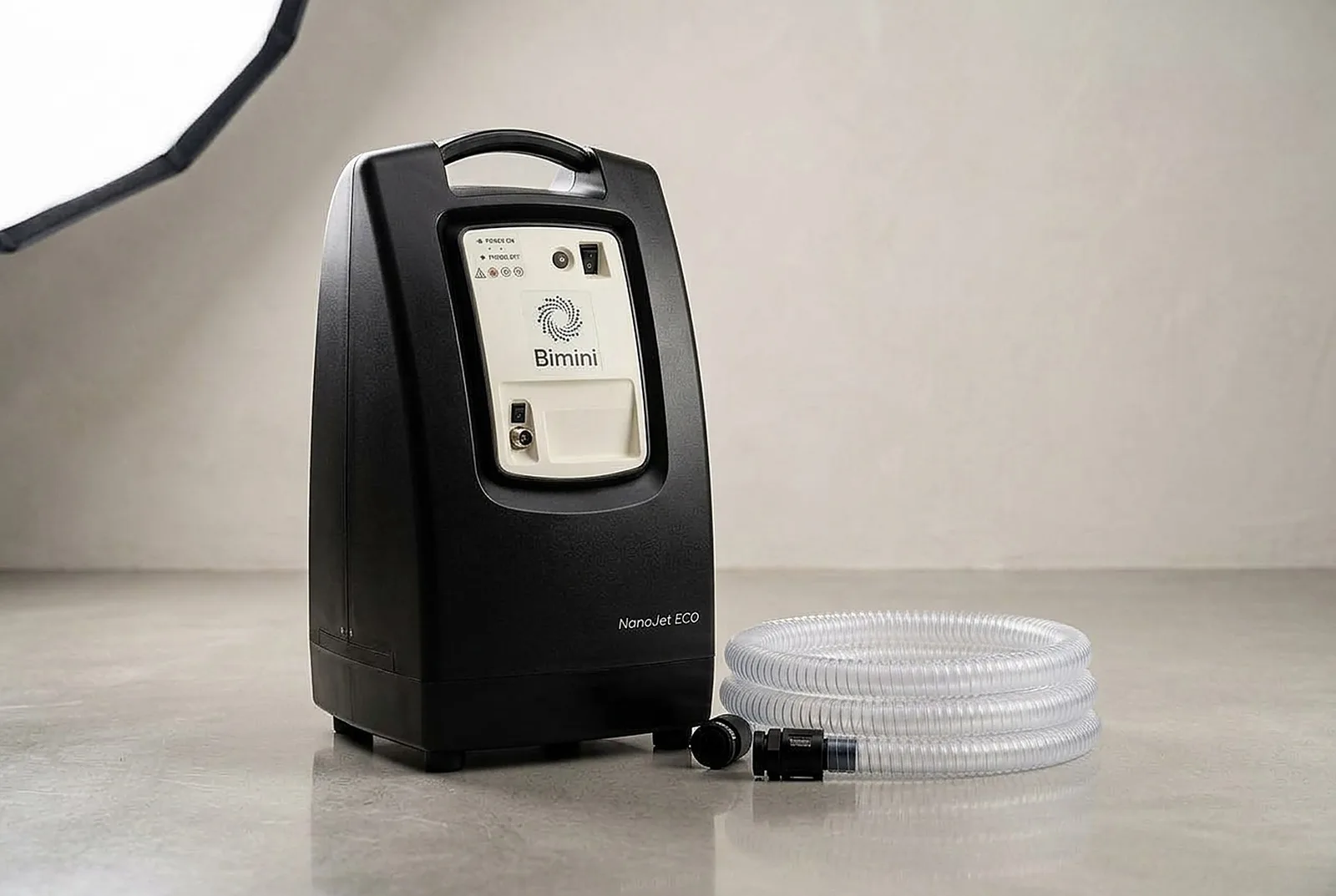
Some collegiate programs use oxygen nanobubble water systems in their recovery centers. These systems create an immersion experience designed to support recovery. If you're looking to add recovery options to your facility, biminihydrotherapy.com offers systems designed for collegiate and commercial settings, like the NanoJet Pro, which integrates into existing facility tubs.
Compression and Mobility Tools
Compression devices and recovery tools with heat and vibration settings are available at most collegiate programs. These tools are used as part of broader recovery approaches.
Blood Flow Restriction (BFR) Equipment
BFR equipment is used in many collegiate athletic training rooms. It allows athletes to work through rehabilitation at lower intensities. It's often used when an athlete is returning from injury and progressing their training load.
Thinking About Your Personal Recovery Approach as a Collegiate Athlete

If you're a student-athlete, learn about the recovery options your program offers. Talk to your strength coach and athletic trainer about what each tool is designed for and how it's used.
Start here: track your sleep for two weeks without making changes. Note how you feel during practice. Then try one recovery approach at a time (compression, immersion, wearable tracking, or thermal therapy) and observe what you notice. That's how you learn what recovery approaches you want to use.
Collegiate athletes benefit from treating recovery data like training data. They measure and track what they're doing.
How Collegiate Programs Can Organize Recovery Technology
If you're a program administrator or strength coach, here's what helps create effective recovery setups:
1. Education
Teach your athletes about recovery approaches and how different tools work. An athlete who understands the purpose of immersion therapy will use it consistently. An athlete who just knows "it feels good" might skip it when busy.
2. Data Organization
Get your tracking systems (wearables, training load, recovery tools) organized in one place if possible. Coaches benefit from seeing information together rather than across multiple apps.
3. Medical Collaboration
Recovery approaches should be developed with your medical staff, not just the coaching staff. Your athletic trainers and team physician understand injury patterns specific to your sport and team. Let that inform your recovery strategy.
4. Adjust Recovery Approaches Throughout the Season
Recovery needs change throughout the season. In-season, you're managing training load and preventing injury. Off-season, you're supporting adaptation. Your recovery approaches should shift accordingly.
For facilities looking to add immersion-based recovery options, biminihydrotherapy.com designs systems for athletic training environments. The Integrated Recovery Tub works as a standalone solution, while the NanoJet Pro fits into existing facility tubs.
Common Challenges Collegiate Programs Face with Recovery Technology
Challenge 1: Adding Technology Without a Plan
You can't just add a recovery device to your facility without protocols and training. You need staff trained on it and athletes who understand how it's used.
Challenge 2: Relying on Technology Instead of Fundamentals
No recovery tool replaces sleep, hydration, and nutrition. If your athletes are sleep-deprived and undernourished, recovery devices won't address those issues. Get the basics in place first.
Challenge 3: Not Customizing for Your Sport
Football recovery approaches look different from swimming. Gymnastics looks different from soccer. Your recovery tools and approaches should reflect the specific demands of your sport, your competition schedule, and your athletes' needs.
The Future of Collegiate Athlete Recovery Technology
The trend is clear: collegiate programs are moving toward integrated, data-driven recovery approaches. Wearables continue to evolve. Data analytics tools are becoming more sophisticated. Recovery tools offer more options.
But the fundamentals remain important. Recovery involves supporting adaptation, managing training load, preventing injury, and keeping athletes healthy through a demanding season. Technology helps you organize and track recovery, but it works best with thoughtful program design, coaching expertise, and the athlete's commitment to recovery.
The programs with effective recovery strategies combine available technologies, solid program design, athlete education, and partnership with medical staff. If you're building or updating your recovery program, that's the approach to follow.
How to Evaluate Recovery Solutions for Your Program
When you're comparing recovery systems, ask these questions:
- Does it integrate with your existing data systems?
- Can your staff use it without constant external support?
- Does it fit your program's recovery approach?
- Is there information available about how it works?
- Does the vendor provide training and support?
Don't purchase based on hype or because another program uses it. Purchase because it fits your program's needs, your budget, and your coaching approach.
Frequently Asked Questions
What recovery technology should collegiate athletes prioritize?
Different programs prioritize different tools based on their needs. Sleep tracking and data organization are common starting points because they help you understand your baseline. Once you have that information, you can explore other recovery approaches. Refer to your program's athletic trainers and coaching staff for guidance on what's available to you.
Can collegiate athletes use recovery technology at home, or does it only work in the facility?
Both options exist. Facility-based systems are designed for structured recovery. But athletes also benefit from tools they can use in their living spaces. Portable recovery devices and home options let athletes engage in recovery between facility sessions. This is especially helpful during travel and off-season when facility access is limited.
How long does it take to notice changes from using recovery technology?
This varies depending on the technology and what you're tracking. Some changes in how you feel may happen quickly. Sleep quality improvements might take 1-2 weeks to show in data. Longer-term changes in adaptation take more time. Keep tracking and stay consistent with whatever approach you choose.
Do collegiate programs need expensive recovery technology, or can they get results with basic methods?
Basic approaches—good sleep, proper nutrition, hydration, and movement—are foundational. Technology helps you track and organize information. A program with excellent coaching, solid nutrition support, and disciplined sleep practices will have a strong recovery foundation. Start with the basics. Add technology when you want to track and measure more precisely.

