
Oxygen hydrotherapy at home involves water-based immersion with oxygen delivery. To use your equipment safely and effectively, you need to understand how it works, follow all safety instructions, and maintain everything properly.
Let's walk through the real-world steps for setting up and using home oxygen hydrotherapy equipment.
Related: Post Workout Recovery: Oxygen Hydrotherapy Guide
Related: At-Home Hydrotherapy Systems for Athletes: A Complete Guide
Understand Your Oxygen Hydrotherapy Equipment
Before you set anything up, understand what your equipment does. Oxygen hydrotherapy combines water-based immersion with transdermal oxygen delivery, meaning oxygen reaches your skin during the session. This is different from medical oxygen therapy or breathing equipment, and it is not something you drink.
When you immerse yourself in oxygen-enhanced water, your skin becomes the delivery point. The transdermal route means your body absorbs oxygen through topical contact, which is why proper setup and water contact matter.
Check Your Equipment Before You Start
The first rule of home oxygen hydrotherapy is this: always check your equipment before use. Do not skip this step, even if you just used it yesterday.
Look at your oxygen supply. Make sure your tubing is attached properly and there are no cracks, kinks, or disconnections. Check that your flow rate settings are exactly where they should be. If something looks off, consult your equipment manual first.
If you're using a home unit like the NanoJet Eco for your bathtub, verify that all connections are tight and the device is positioned properly before filling your tub. A few minutes of checking now prevents problems later.
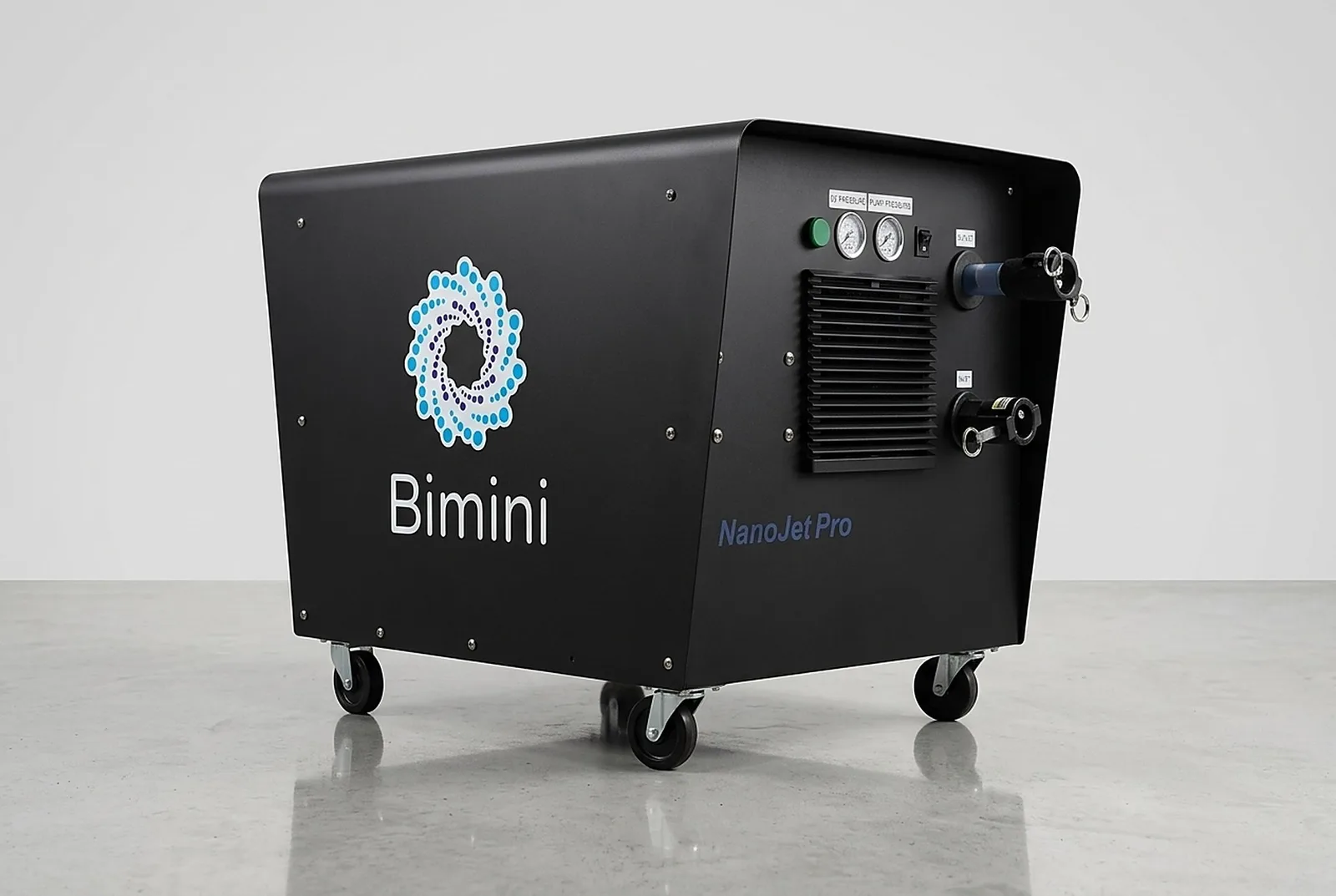
How to Use Oxygen Hydrotherapy at Home: Step-by-Step Setup
Getting your home setup right is the foundation of proper equipment use.
Step 1: Prepare Your Space
Make sure your bathroom or therapy area is clean and free from clutter. You need clear access to your tub or basin and enough space to move without bumping into anything. Keep your equipment bag or storage area nearby so you can grab what you need.
Step 2: Attach All Tubing Correctly
Your oxygen delivery system relies on tight, secure connections. Follow your equipment's manual exactly. Do not force tubing into ports, and do not assume a loose fit will work. Each connection should feel snug and stay put when you gently tug it.
Step 3: Fill Your Tub or Basin
Use clean, room-temperature water. Fill your tub or immersion basin to the depth recommended for your equipment. If you're using a portable system, check the manufacturer's guidelines for water level requirements.
Related: NanoJet Eco Portable Recovery System Setup Guide
Step 4: Set Your Flow Rate
Set your flow rate exactly as specified in your equipment documentation. Do not adjust flow rates without consulting your equipment manual or manufacturer. Flow rate controls how the oxygen delivery works, and changing it without guidance can affect your session.
Step 5: Allow Warm-Up Time
Some home oxygen hydrotherapy systems need a minute or two to reach optimal function. Check your manual. Do not rush into immersion before the system is ready.
Proper Immersion Technique

Now that your equipment is set up, here's how to use it properly.
Start by testing water temperature with your hand. It should feel comfortable. Slowly enter your tub or immersion basin and settle in. Your skin should make good contact with the water, especially in the areas you're targeting for the session.
Stay for the duration recommended in your equipment instructions. Follow the timing guidance provided by your manufacturer.
Keep tubing secured to prevent it from shifting or coming loose during your immersion. If you're using a tub-based system like the Integrated Recovery Tub, check that the system remains stable and all connections stay tight throughout your session.
Moisture and Skin Care During Therapy
Your skin may benefit from a few simple steps during immersion.
Use water-based lubricants on your lips or any areas prone to dryness. If you notice skin irritation from tubing friction, place a small piece of gauze under the tubing to buffer contact. This prevents discomfort during sessions.
After your session, rinse off gently with fresh water and pat your skin dry. Apply a moisturizer if your skin feels dry.
Essential Safety Precautions
Follow all safety instructions provided with your equipment.
Do not consume alcohol before or during your session. Consult your equipment instructions regarding alcohol use.
Consult your doctor before you begin oxygen hydrotherapy or if you want to modify your use plan. Your doctor knows your health history and can advise you on what is appropriate for you.
If you have any underlying health conditions, respiratory issues, or take medications regularly, consult your doctor first. Follow all instructions and warnings supplied with your specific device.
Maintaining Your Home Equipment

Your oxygen hydrotherapy system requires regular maintenance.
Check your tubing regularly for cracks, cloudiness, or damage. Replace tubing if you spot wear. Clean connection ports gently with a dry cloth. Keep your equipment in a cool, dry place away from direct sunlight when not in use.
If your system uses a water tank or basin, empty and dry it thoroughly after each use. Stagnant water can affect equipment function and safety.
Check your oxygen supply levels before each session.
If anything stops working properly, consult your equipment manual's troubleshooting section or contact your equipment provider. biminihydrotherapy.com can help if you're using one of their systems.
Building a Home Oxygen Hydrotherapy Routine
Consistency is important for regular equipment use. Set a regular schedule for your sessions and stick to it.
Most people find that same-time sessions help them remember and commit. Morning sessions work well for some users. Evening sessions work well for others.
Keep a simple log of your sessions: date, duration, and any notes about your experience. Over weeks and months, patterns emerge. You'll notice what timing and frequency work best for your routine.
Oxygen hydrotherapy can be one tool in your overall wellness routine, alongside proper sleep, nutrition, and other activities.
When to Upgrade or Add Equipment
Your needs might evolve. If you started with a basic immersion system and you're now using it frequently, or if you have family members who want to use equipment too, you might consider a dedicated recovery system.
The HydroLounge is a foot-spa chair option if you want to add oxygen hydrotherapy without dedicating your entire bathtub. For households with multiple users, a dedicated setup may offer more flexibility.
Before upgrading, think about your real usage, your space, and your budget. The goal is consistent use, and the right setup for you is the one you'll actually use regularly.
Troubleshooting Common Home Setup Issues
Sometimes things don't go smoothly on the first try.
Tubing keeps disconnecting: Check that you're pushing connections all the way in. Tubing should not pop out easily. If it keeps slipping, the ports may need replacement.
Water is too hot or too cold: Adjust water temperature before you immerse fully. Let the system stabilize for a minute after adjusting temperature.
Flow rate seems low: Check for kinks in tubing. Verify connections are tight. Make sure your oxygen supply has adequate pressure.
Skin irritation or rash: Stop use immediately and consult your doctor. Rinse the area and air dry.
Equipment making unusual noises: This usually means something is loose or tubing has a leak. Inspect all connections and the system housing.
How often can I use oxygen hydrotherapy?
What if I'm new to immersion therapy and nervous about trying it?
Start with a shorter session to see how your body responds. If you have any health concerns, consult your doctor before starting. Follow all instructions and warnings supplied with your specific device.
Do I need special water for oxygen hydrotherapy?
Use clean, fresh water. Tap water is fine for most systems. Consult your equipment manual regarding water type. If your local water is very hard or has high mineral content, you might consider filtered water to prevent mineral buildup in tubing or connections.
Can I read, listen to music, or do other things during my session?
Many people use their oxygen hydrotherapy time to relax, listen to podcasts, read, or meditate. The key is staying immersed and keeping tubing secure. Avoid sudden movements that might dislodge equipment. Treat it as your wellness time.