A lightweight portable oxygen system is designed to deliver oxygen in a compact, easy-to-transport format, so you can use it whether you're at home, traveling, or training on the road. Unlike bulky stationary equipment, these systems prioritize mobility without sacrificing performance, making them practical for athletes and wellness enthusiasts who value flexibility in their routines.
If you're curious about how portable oxygen systems fit into your routine, or you want to explore premium alternatives that go beyond traditional portable systems, this guide walks you through the key features, what they do, and how to decide if one is right for you.
Related: NanoJet Eco Portable Recovery System Setup Guide
What Makes a Portable Oxygen System Lightweight?
Weight is the defining factor. Modern portable oxygen systems engineered for travel and daily use typically weigh between 2.8 and 5 pounds, compared to stationary home concentrators that can exceed 40 pounds. This dramatic difference comes down to engineering: manufacturers strip away unnecessary bulk while keeping the core delivery mechanism intact.
The lightweight design does not compromise functionality. Advanced portable units pack adjustable pulse delivery settings (often five or more levels) into a footprint small enough to fit in a gym bag or backpack. Battery-powered operation is standard, which eliminates the need for wall outlets and cords during your session.
Portability also means you're not locked to one location. Whether you travel for competitions, move between training facilities, or simply prefer flexibility in where you use your system, a lightweight system adapts to your lifestyle instead of forcing your lifestyle to adapt to it.
Battery Life and Runtime You Should Expect
Modern portable oxygen systems typically deliver between 4 and 5.5 hours of continuous operation per full charge, depending on the model and pulse setting you select. Higher pulse settings drain the battery faster, while lower settings extend runtime.
This means you can run a full session, recharge overnight, and be ready for your next session the next day. The key is building a charging routine into your schedule, especially if you're traveling or using the system intensively.
Battery technology continues to improve, so newer models often outperform older units from just a few years ago. When evaluating a system, check the manufacturer's stated battery life at your intended pulse setting, not just the maximum runtime claim.
Pulse Settings and Adjustability Matter
One of the biggest differences between budget and premium portable systems is the number of pulse delivery settings available. Entry-level models might offer two or three settings, while advanced units often include five or more.
Why does this matter? Your oxygen system use may vary depending on your activity level and personal preferences. More pulse settings give you finer control to dial in exactly what works for you, rather than forcing you to choose between "low" and "high" only.
Related: Oxygen Water Therapy vs Ice Baths: Which Works Better?
Think of it like the difference between a blender with two speeds versus one with ten. You get more precision, which translates to an experience that feels tailored rather than generic.
Portability vs. Performance: Finding Your Balance
Here's the honest truth: lighter doesn't always mean weaker, but there are trade-offs. The most ultra-lightweight systems (under 3 pounds) sometimes sacrifice larger tanks or extended battery capacity to hit that weight target.
If you travel constantly and weight is your top priority, ultra-lightweight wins. If you use your system primarily at home and want maximum runtime and delivery options, a slightly heavier model (4 to 5 pounds) often gives you better value and performance.
Most active users find that 4 to 5 pounds is the sweet spot: light enough to throw in a duffel bag, heavy enough to pack the features and battery life that make a real difference in your routine.
When to Choose a Portable System vs. Premium Alternatives
Portable oxygen systems excel at flexibility and travel, but they're not the only way to approach oxygen therapy equipment. If you spend most of your time at a single location, you might benefit from stationary or semi-portable systems with larger oxygen reserves and extended runtime.
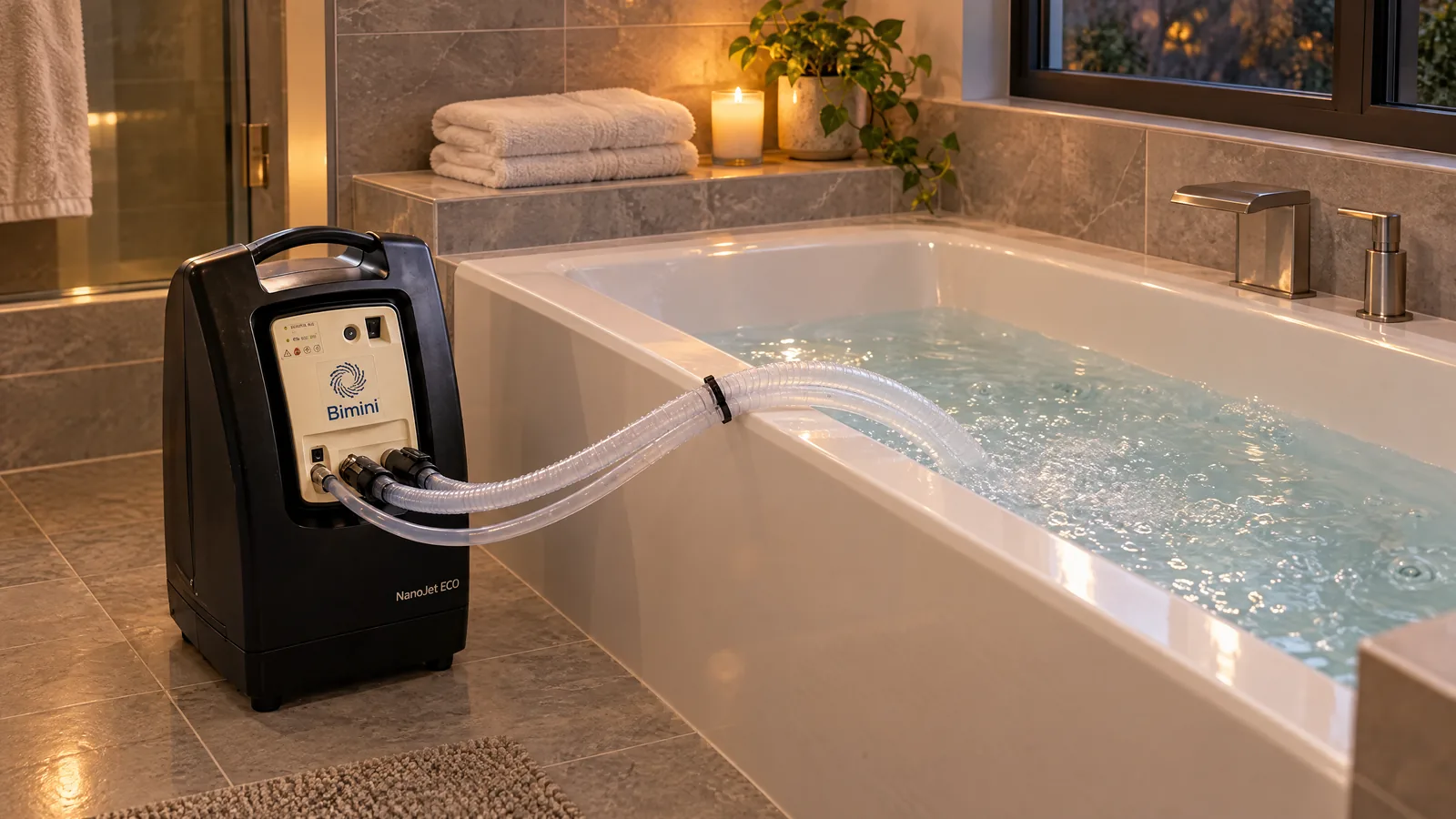
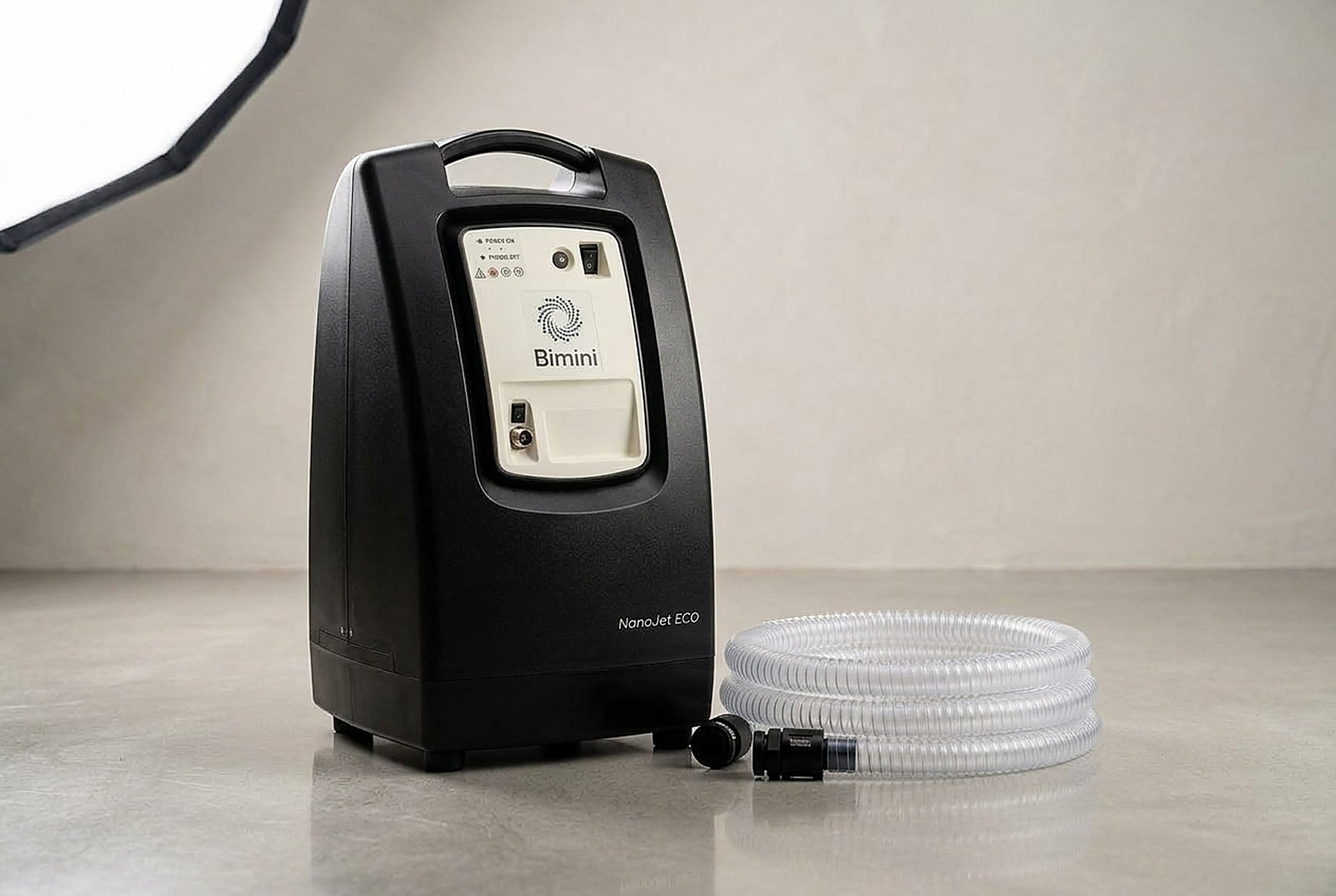
For instance, the NanoJet Eco is designed for use in your home bathtub, delivering nanobubble oxygen therapy with zero weight to carry. It plugs into your existing tub and connects to standard household power, so you get unlimited runtime without battery management.
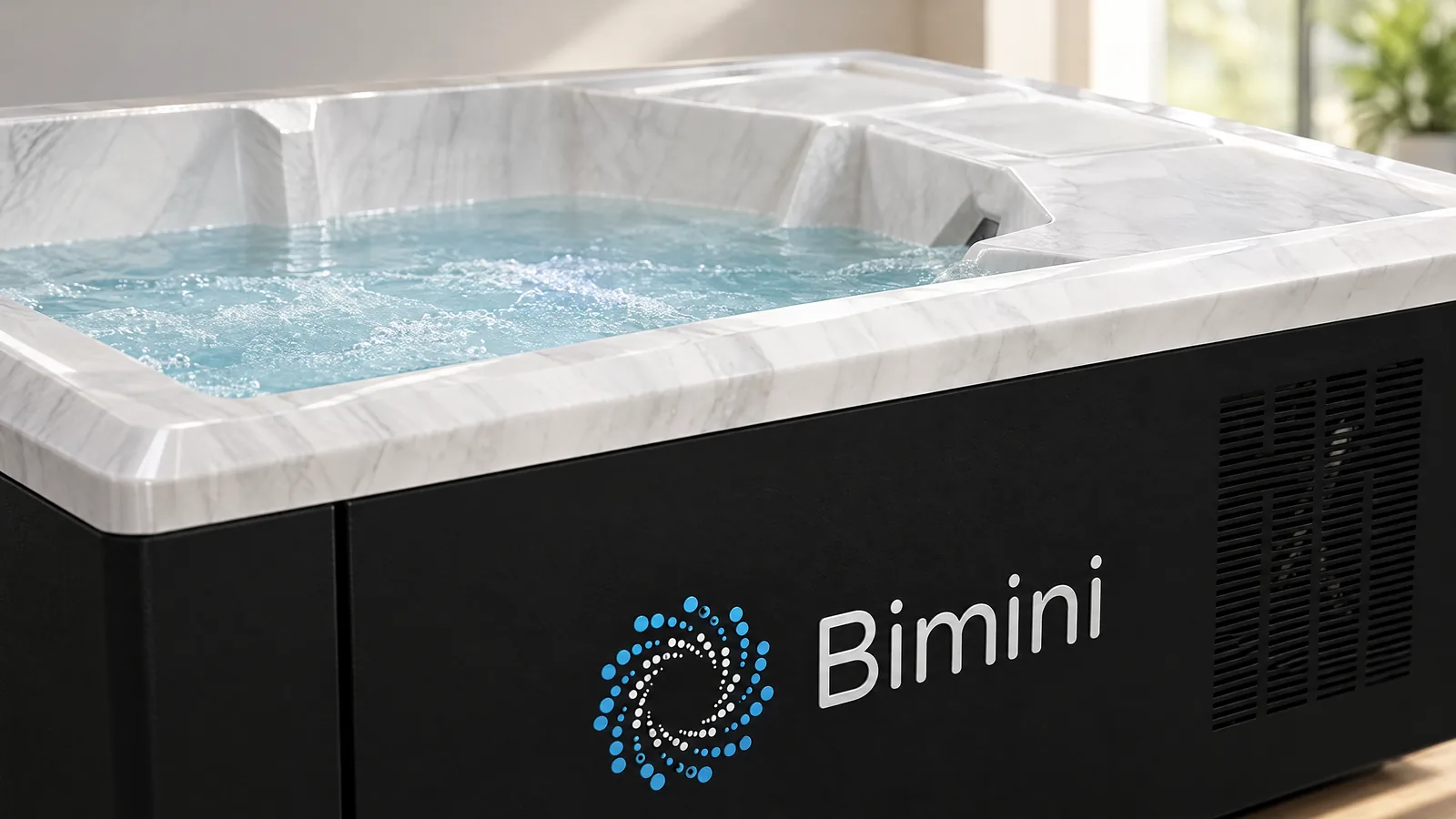
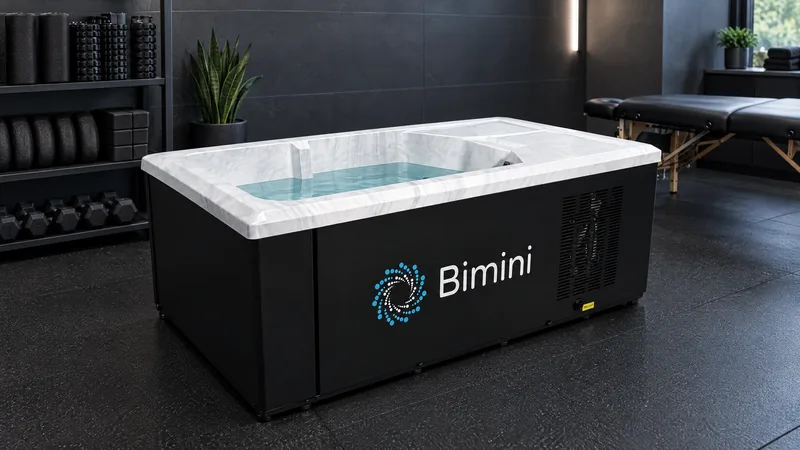
If you train at a facility or have a dedicated home gym, a system like the Integrated Recovery Tub is designed for full-body immersion without the portability requirement. The trade-off is that it stays in one location, but it offers full-body coverage.
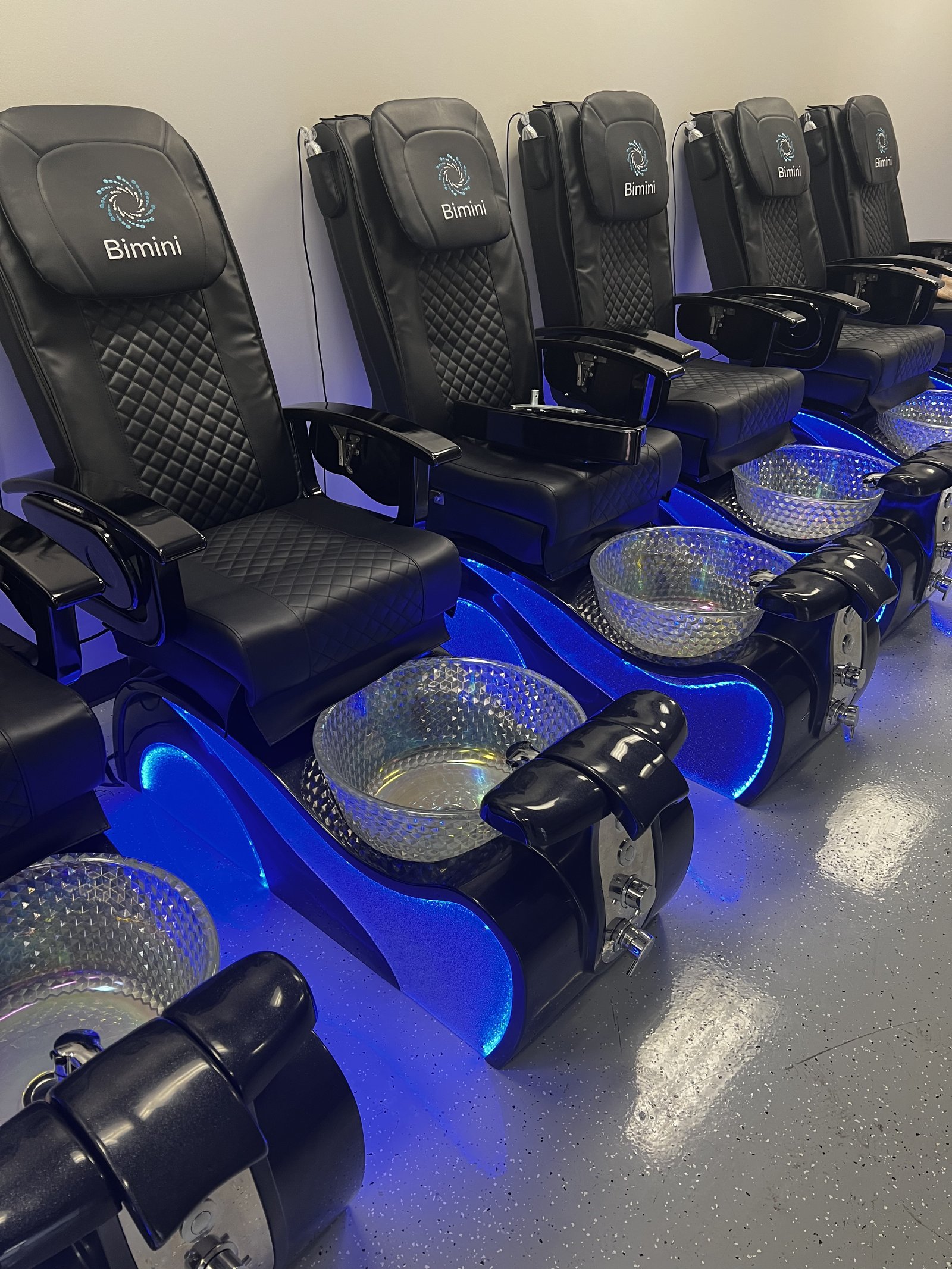
For seated, localized use, the HydroLounge is designed for foot and lower-leg immersion in a compact footprint, bridging the gap between portability and a larger system.
Think about your training environment and travel schedule. If you're constantly on the move, portability is non-negotiable. If you're stationary most days, investing in a larger system could give you different options.
Key Features to Compare When Shopping
Weight alone won't tell you everything. Here's what to evaluate across different portable oxygen systems:
- Battery runtime at your intended pulse setting - not the best-case scenario, but realistic daily use.
- Number of pulse delivery levels - more flexibility means better personalization.
- Charging time - some units charge in 2 hours, others need 6+. This affects your turnaround between sessions.
- Durability and warranty - lightweight systems take more travel abuse. Check build quality and coverage.
- Noise level - portable units run on compressors, and some are noticeably louder than others.
- Display and controls - intuitive interfaces make adjusting settings faster during use.
Don't fixate on one feature. A 3-pound system with a 2-hour battery life and one pulse setting might feel lighter to carry but may not meet your daily needs. A 5-pound system with 5-hour runtime and five pulse settings might cost more, but delivers better value over months of regular use.
Travel Tips for Portable Oxygen Systems
If you're taking your system on the road, a few practical steps make the experience smoother:
- Charge fully before you leave. Don't assume hotel or facility outlets are convenient or available when you need them.
- Bring a portable power bank or car charger. Some systems support USB or auxiliary charging, giving you backup power during long days.
- Pack a protective case. Lightweight systems are rugged, but travel is rough. A padded case protects your investment.
- Keep settings documentation handy. Screenshot the manual or pulse settings guide so you can adjust quickly without fumbling through paperwork.
- Plan your session timing around charging. If your flight lands at 5 p.m. and you want to use your system at 9 p.m., make sure your battery will support it.
Most athletes traveling with portable oxygen systems report that the added convenience is worth the minimal effort required to stay charged and organized.
How Portable Oxygen Systems Fit Into Your Routine
A lightweight portable system is one tool in a larger toolkit. It's excellent for daily use and consistent sessions, but shouldn't be your only equipment.
Many active individuals layer portable systems with other modalities: dynamic stretching, strength work, sleep, and nutrition all matter. The portable system becomes the consistent element that travels with your training and keeps your routine going, even when you're away from your primary facility.
If you want to explore other oxygen therapy options, biminihydrotherapy.com offers nanobubble oxygen therapy systems that range from full-body immersion solutions to specialized focal equipment, each designed to integrate into training programs and home routines.
Maintenance and Care for Long-Term Use
Keeping your portable system in good condition helps ensure consistent performance.
- Clean filters regularly. Dust and debris can reduce oxygen output over time. Most systems have replaceable filters - follow the manufacturer schedule for replacement.
- Store in a cool, dry place. Heat and humidity can affect batteries and electronics. Avoid car trunks in summer or damp basements.
- Charge after each use. Don't let the battery drain completely. Follow the manufacturer's charging recommendations for optimal battery life.
- Inspect tubing and connectors monthly. Look for cracks, discoloration, or loose fittings. Replace tubing if it hardens or degrades.
- Keep the compressor free from debris. Dust intake vents gently with a soft brush or compressed air cannister.
Simple maintenance takes 5 minutes a month and helps keep your system functioning properly.
People Also Ask
What's the difference between a portable oxygen system and a stationary one?
Portable systems prioritize weight, battery operation, and travel convenience. Stationary systems stay in one location and plug into wall power, giving them unlimited runtime and larger oxygen reserves. Choose portable for flexibility and travel. Choose stationary if you use your system primarily at home or a facility and want operation without battery management.
How long does it take to fully charge a lightweight portable oxygen system?
Most modern portable systems charge in 2 to 6 hours, depending on the model and charger type. Some faster chargers can top up a battery in under 2 hours, while standard chargers typically take 4 to 6. Check the manufacturer specs for your specific unit. Plan your charging around your schedule so the system is ready when you need it.
Can I use a portable oxygen system if I travel by air?
Portable oxygen concentrators are generally allowed on commercial flights in the United States and most international carriers, but rules vary by airline and country. Contact your airline 48 hours before your flight with your device model number and specifications. Having documentation from the manufacturer makes the process smoother. Always verify with your airline before packing.
Is a lightweight portable oxygen system as effective as a larger stationary system?
A well-designed portable system delivers consistent oxygen therapy in sessions of 4 to 5 hours, which is suitable for regular use. A stationary system offers unlimited runtime and often more delivery options. For most mobile athletes and travelers, a quality portable system performs well. If you're stationary most of the time, a larger system may offer different capabilities. Refer to each manufacturer's specifications and instructions for details on your specific device.
The At-Home Recovery System Used by Pro Athletes
Learn the science behind oxygen nanobubble therapy and how 58 named professional & Olympic athletes recover faster.
Related Bimini systems
Keep reading

Jason Applewhite · Founder, Bimini Hydrotherapy
Jason Applewhite is the founder of Bimini Hydrotherapy. He develops oxygen nanobubble recovery systems used in homes, gyms and training facilities, and works directly with the athletes and facility owners who use them, including Rice University Athletics, where the Sports Medicine department ran a pilot evaluation of the NanoJet.
Bimini products are wellness devices. They are not medical devices and are not intended to diagnose, treat, cure or prevent any disease. Talk with your doctor about any health condition.


