Nanobubble water treatment is an advanced purification and therapeutic technology that infuses water with ultrafine oxygen or hydrogen bubbles measuring just 70-120 nanometers in diameter—approximately 2,500 times smaller than a grain of salt. Unlike conventional water treatment that uses chemicals or filtration, nanobubble technology leverages gas supersaturation to create stable, long-lasting bubbles that remain suspended in water for weeks, delivering enhanced oxygen transfer, antimicrobial properties, and unique therapeutic benefits for both industrial applications and human health optimization.
Understanding Nanobubble Technology: The Science Behind Microscopic Bubbles
To comprehend nanobubble water treatment, we must first understand what differentiates nanobubbles from regular bubbles. Standard air bubbles in water measure between 1-10 millimeters and rise rapidly to the surface due to buoyancy. Microbubbles, the next size category down, range from 10-100 micrometers and also ascend relatively quickly.
Nanobubbles operate in an entirely different physical realm. At sizes below 200 nanometers (0.2 microns), these ultrafine bubbles exhibit neutral buoyancy, remaining suspended in solution for extended periods. This stability stems from their unique surface properties and the balance between surface tension and Brownian motion—the random movement of particles suspended in fluid.
The implications of this size differential are profound. Consider that human skin pores average 50-120 microns in diameter, while nanobubbles measure just 0.07-0.12 microns. This means nanobubbles are approximately 5,000 times smaller than your pores, enabling transdermal delivery of oxygen and other gases directly into tissue—a capability impossible with conventional bubbles.
Research from Rice University demonstrated that oxygen nanobubble therapy accelerated post-exercise recovery by 46% compared to standard water immersion, with significant reductions in lactate levels and inflammatory markers.
Key Properties That Make Nanobubbles Unique
- Extended stability: Nanobubbles can remain in solution for 2-3 weeks without significant degradation
- High internal pressure: Due to surface tension, internal bubble pressure can exceed 20 atmospheres
- Massive surface area: One liter of nanobubble water contains trillions of bubbles with combined surface area exceeding 100 square meters
- Negative surface charge: Creates electrostatic repulsion preventing bubble coalescence
- Reactive oxygen species generation: Bubble collapse produces hydroxyl radicals with antimicrobial properties
How Nanobubble Water Treatment Systems Work
The generation of nanobubbles requires specialized equipment that creates the precise conditions for ultrafine bubble formation. While several methods exist, the most effective systems for water treatment use pressurized dissolution combined with rapid depressurization.
The nanobubble generation process involves four critical stages:
Stage 1: Gas Saturation. Pure oxygen, air, or hydrogen gas is dissolved into water under elevated pressure (typically 4-6 bar). This supersaturates the water with far more gas than it could normally hold at atmospheric pressure, following Henry's Law of gas solubility.
Stage 2: Nucleation. The pressurized, gas-saturated water passes through a specialized nozzle or venturi where sudden pressure reduction causes instantaneous bubble nucleation. This rapid phase change creates millions of microscopic bubble seeds.
Stage 3: Stabilization. Shear forces within the generation chamber break larger bubbles into nanoscale particles. The turbulent flow conditions and continued pressure fluctuations refine bubble size distribution, with the smallest, most stable nanobubbles remaining in solution.
Stage 4: Dispersion. The nanobubble-enriched water enters the treatment system—whether an industrial tank, hydrotherapy tub, or distribution network. The bubbles' neutral buoyancy ensures even distribution throughout the entire water volume.
Professional nanobubble hydrotherapy systems like those manufactured by Bimini Hydrotherapy can generate concentrations exceeding 300 million nanobubbles per milliliter, creating water with therapeutic oxygen levels impossible to achieve through conventional aeration.
Industrial Applications of Nanobubble Water Treatment
Before exploring therapeutic applications, it's important to understand that nanobubble technology has revolutionized multiple industries through its water treatment capabilities.
Agriculture and Aquaculture
Oxygen nanobubble water treatment has transformed crop irrigation and fish farming. The enhanced dissolved oxygen promotes root development, increases nutrient uptake efficiency, and creates unfavorable conditions for anaerobic pathogens. Commercial farms using nanobubble irrigation report 15-30% yield increases while reducing water consumption by up to 20%.
In aquaculture, nanobubble aeration systems maintain optimal oxygen levels with greater efficiency than traditional methods, supporting higher stocking densities while reducing energy costs by 30-40%.
Wastewater Treatment
Municipal and industrial wastewater facilities increasingly deploy nanobubble systems for biological treatment processes. The technology accelerates aerobic digestion of organic matter, reduces chemical oxygen demand (COD) by 60-80%, and generates hydroxyl radicals that break down persistent contaminants including pharmaceuticals and endocrine disruptors.
Food and Beverage Processing
The food industry utilizes nanobubble water treatment for equipment sanitization and produce washing. Studies demonstrate that ozone nanobubbles achieve 99.9% reduction of E. coli, Salmonella, and Listeria within 2-3 minutes of contact time—without chemical residues that require rinsing.
Therapeutic Applications: Nanobubble Hydrotherapy for Human Health
While industrial applications showcase the technology's versatility, the most exciting frontier for nanobubble water treatment lies in human health optimization and therapeutic intervention.
Oxygen Nanobubble Water for Athletic Recovery
Elite athletes have rapidly adopted oxygen nanobubble hydrotherapy as a cornerstone of their recovery protocols. Over 100 NFL and NBA athletes now use this technology regularly, recognizing advantages that traditional ice baths and compression therapy cannot match.
The mechanism is straightforward yet profound: when you immerse in oxygen nanobubble water, trillions of ultrafine bubbles contact your skin. Due to their microscopic size, these bubbles penetrate through pores and deliver oxygen directly to capillary beds in the dermis and underlying tissue. This transdermal oxygen delivery bypasses the respiratory system, providing localized oxygenation exactly where recovery processes occur.
Clinical observations show this increased tissue oxygenation:
- Accelerates lactate clearance from fatigued muscles
- Reduces inflammatory cytokine production
- Enhances mitochondrial ATP production for cellular repair
- Decreases delayed onset muscle soreness (DOMS) severity
- Improves range of motion and flexibility markers
The scientific foundation supporting these benefits continues to expand, with multiple universities now conducting research on nanobubble therapy mechanisms.
Hydrogen Nano Bath Technology
While oxygen nanobubbles dominate the athletic recovery space, hydrogen nano bath systems represent an emerging therapeutic modality focused on antioxidant delivery. Molecular hydrogen (H₂) functions as a selective antioxidant, neutralizing particularly damaging hydroxyl radicals while preserving beneficial signaling molecules like nitric oxide.
Hydrogen nanobubble water treatment has shown promise for:
- Reducing oxidative stress markers in chronic inflammation conditions
- Supporting skin health by neutralizing UV-induced free radicals
- Potentially improving metabolic parameters in preliminary studies
- Enhancing recovery in conjunction with oxygen therapy protocols
The research on hydrogen nanobubbles remains less extensive than oxygen studies, but initial findings suggest complementary mechanisms that may enhance overall therapeutic outcomes when used strategically.
Dermatological Benefits and Skin Health
The cosmetic and dermatological applications of nanobubble water treatment extend beyond athletic recovery. Oxygen-enriched water promotes collagen synthesis, improves skin barrier function, and creates an inhospitable environment for acne-causing bacteria.
Products like Bimini's Pure O2 Facial Cleanser harness nanobubble technology in skincare formulations, delivering dissolved oxygen that penetrates deeper than conventional topical treatments. Users report improvements in skin texture, reduced inflammation, and enhanced radiance within 2-4 weeks of consistent use.
The Bimini Approach: Premium Nanobubble Systems for Every Application
Understanding how nanobubble water treatment works illuminates why system quality matters profoundly. Not all nanobubble generators achieve the same concentration, size distribution, or stability—factors that directly impact therapeutic efficacy.
Bimini Hydrotherapy has engineered three distinct systems to serve different needs while maintaining the highest standards for nanobubble generation:
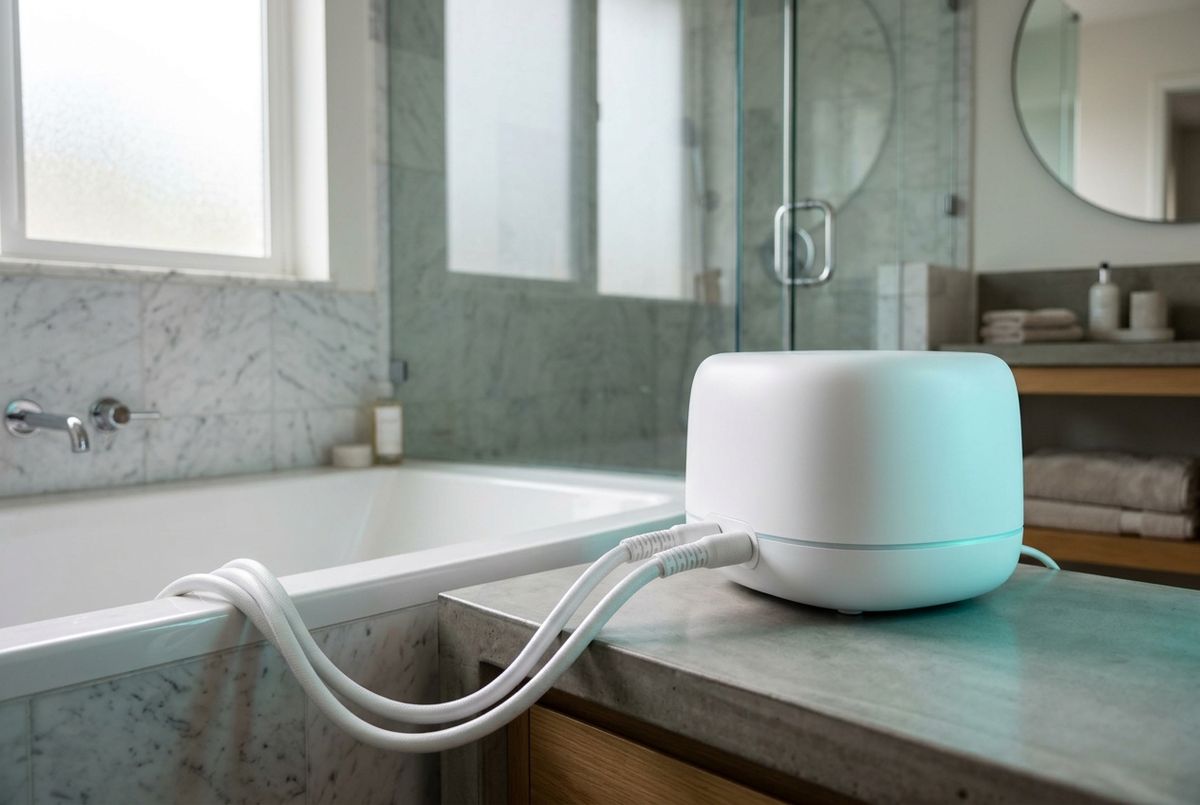
The NanoJet Eco brings professional-grade oxygen bath therapy to home environments. At $9,650, this system generates over 300 million nanobubbles per milliliter, transforming any standard bathtub into a therapeutic recovery station. Athletes using home systems report maintaining training intensity while reducing injury rates—a combination previously requiring expensive facility memberships.
The NanoJet Pro serves gyms, physical therapy clinics, and training facilities requiring durability for high-volume use. This $18,500 commercial immersion system features enhanced flow rates and extended duty cycles, supporting multiple daily sessions without performance degradation.
The HydroLounge represents the pinnacle of nanobubble hydrotherapy—a $42,000 full-body system for premium spas and elite training centers. The integrated design optimizes water flow patterns to ensure even nanobubble distribution across the entire body surface, maximizing transdermal oxygen delivery.
Each system undergoes rigorous quality control, with independent laboratory verification of nanobubble concentration and size distribution. This commitment to measurable performance separates true therapeutic devices from marketing-driven products making unsubstantiated claims.
Interested in experiencing the technology firsthand? You can find a location near you offering Bimini nanobubble therapy sessions, or book a consultation to discuss which system fits your needs.
Comparing Nanobubble Treatment to Alternative Therapies
To fully appreciate nanobubble water treatment's value proposition, consider how it stacks up against established recovery modalities:
Versus Cryotherapy: While whole-body cryotherapy creates systemic cold stress that reduces inflammation, it provides no direct oxygenation benefit. Nanobubble therapy delivers both anti-inflammatory effects and enhanced tissue oxygenation, addressing recovery through multiple mechanisms. Additionally, many athletes find warm nanobubble baths more tolerable than extreme cold exposure.
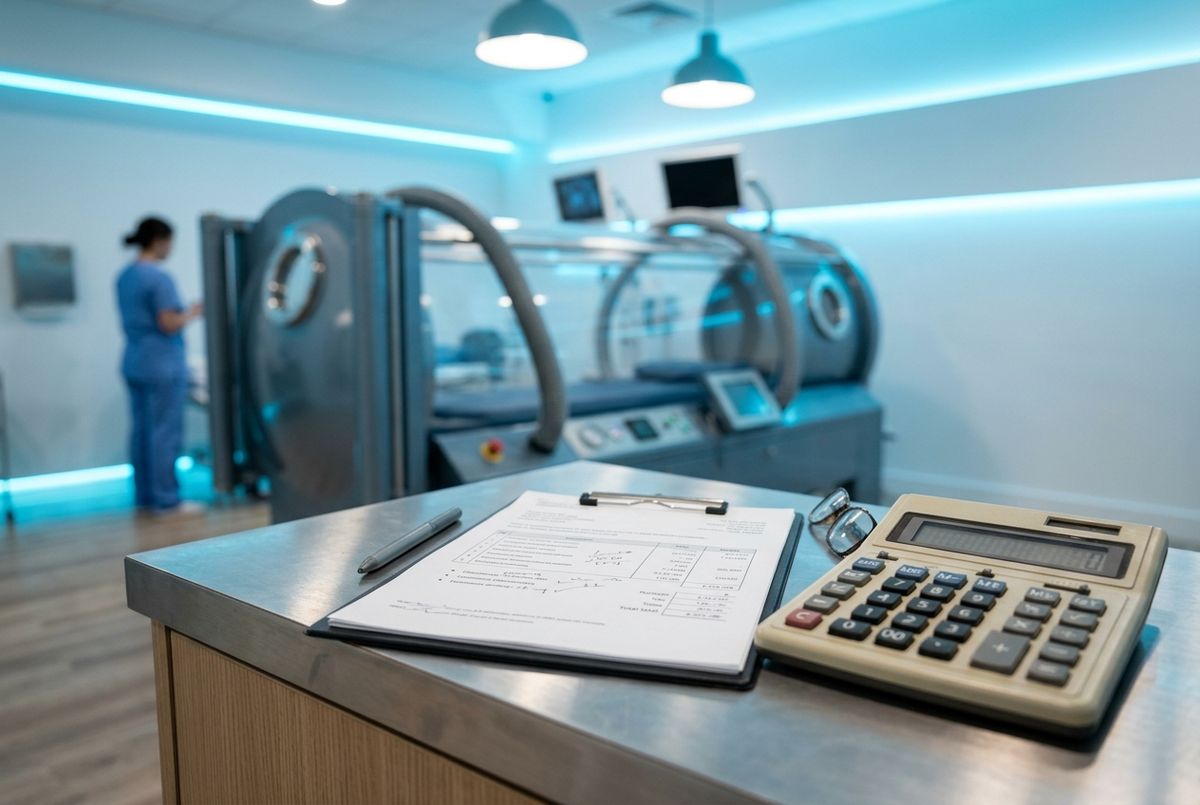
Versus Hyperbaric Oxygen: Hyperbaric chambers increase oxygen partial pressure systemically, requiring expensive equipment and medical supervision. Nanobubble therapy provides localized transdermal oxygenation at atmospheric pressure, with no contraindications and dramatically lower cost per session. The technologies are complementary rather than competitive for serious injury rehabilitation.
Versus Compression Therapy: Pneumatic compression devices mechanically enhance circulation but don't alter blood oxygen content or tissue oxygenation. Combining compression therapy with nanobubble immersion may provide synergistic benefits by improving both circulation and oxygen delivery simultaneously.
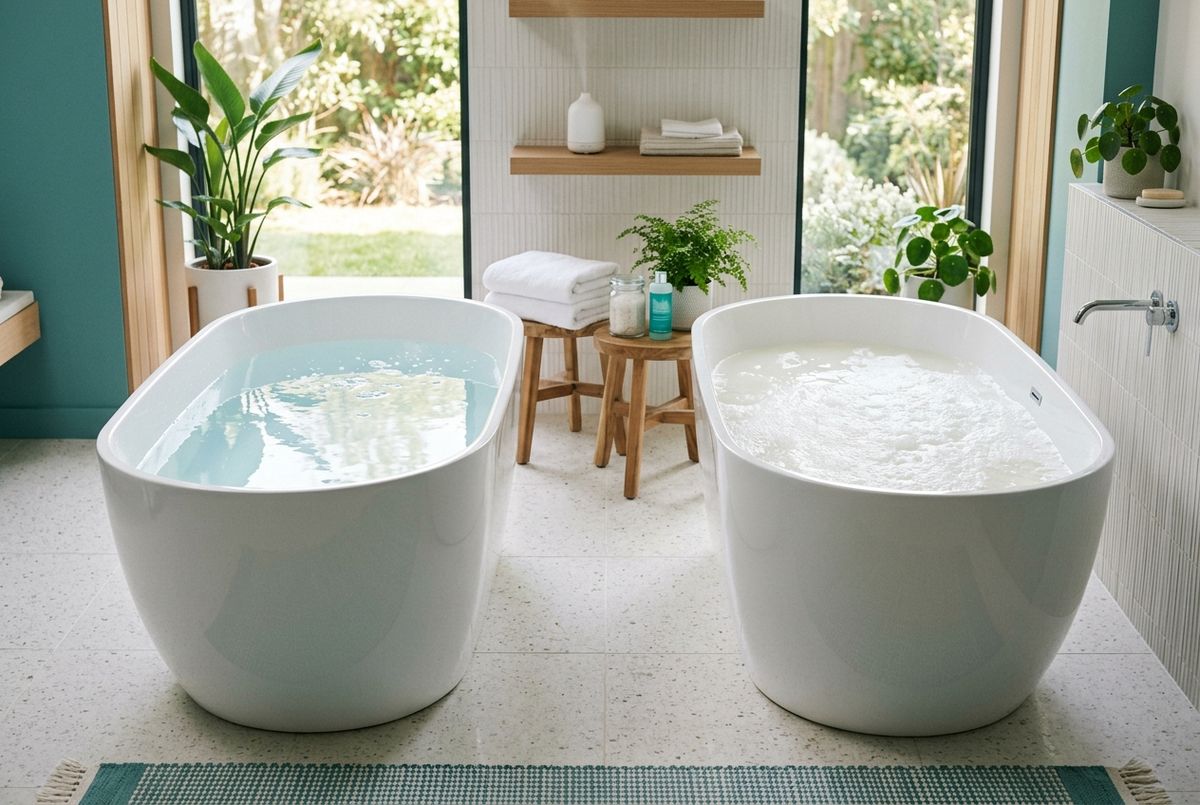
Versus Epsom Salt Baths: Traditional Epsom salt baths provide magnesium supplementation and general relaxation but lack the active therapeutic mechanisms of nanobubble oxygen delivery. The physiological benefits operate through entirely different pathways.
Implementation Considerations and Best Practices
For organizations or individuals considering nanobubble water treatment implementation, several factors determine optimal outcomes:
Water Quality Baseline: While nanobubble systems function with standard municipal water, starting with filtered or purified water enhances bubble stability and system longevity. Most professional installations include pre-filtration to remove chlorine and particulates.
Gas Source Purity: Therapeutic applications demand high-purity oxygen (90%+ concentration). Medical-grade oxygen ensures maximum dissolved oxygen levels and therapeutic efficacy. Some industrial applications may use air, but this significantly reduces oxygen delivery.
Session Duration and Frequency: Standard sessions run 30 to 60 minutes for athletic recovery. Athletes typically use nanobubble therapy 3-5 times weekly during intense training periods, reducing to 2-3 sessions during maintenance phases.
Temperature Management: Water temperature affects bubble stability and therapeutic response. Most protocols use 95-102°F water—warm enough to promote circulation and vasodilation while cool enough to avoid excessive heat stress that could impair recovery.
The Future of Nanobubble Water Treatment
The nanobubble industry stands at an inflection point. As manufacturing costs decline and clinical evidence expands, applications will proliferate across healthcare, wellness, and consumer markets.
Emerging research directions include:
- Wound healing acceleration through localized nanobubble therapy
- Combination protocols using multiple gas types sequentially
- Integration with wearable sensors for real-time oxygenation monitoring
- Portable nanobubble devices for field use by military and emergency services
- Agricultural applications optimizing both crop yields and sustainability
The technology's versatility—effective for everything from wastewater remediation to elite athletic performance—suggests we've only begun exploring its potential. As the science behind nanobubbles becomes more widely understood, adoption will accelerate across sectors previously unaware of the technology's existence.
Conclusion: Why Nanobubble Water Treatment Matters
Nanobubble water treatment represents a fundamental advance in how we approach water quality, purification, and therapeutic intervention. By manipulating matter at the nanoscale, this technology unlocks properties and capabilities impossible with conventional approaches.
For industrial applications, nanobubbles offer chemical-free treatment solutions that reduce costs while improving outcomes. For human health optimization, they provide unprecedented transdermal delivery of therapeutic gases, enhancing recovery and performance through measurable physiological mechanisms.
The growing adoption by professional athletes—individuals whose careers depend on maximizing recovery and minimizing injury risk—signals that nanobubble therapy has moved beyond experimental status into mainstream acceptance. When over 100 NFL and NBA athletes trust the technology, backed by university research demonstrating 46% faster recovery, the evidence becomes difficult to dismiss.
Whether you're an athlete seeking competitive advantage, a facility manager exploring therapeutic offerings, or simply someone interested in optimizing wellness, nanobubble water treatment deserves serious consideration. The physics is sound, the research is accumulating, and the real-world results speak for themselves.
To learn more about how nanobubble hydrotherapy can support your recovery and performance goals, explore athlete testimonials from professionals using the technology daily, or schedule a demonstration to experience the difference firsthand. The future of water treatment and therapeutic recovery has arrived—and it's measured in nanometers.
The Science of Transdermal Oxygen Therapy
Peer-reviewed research, clinical studies, and the mechanism behind nanobubble oxygen delivery.
Frequently Asked Questions
What is nanobubble water treatment?
How do nanobubbles differ from regular bubbles?
What are the benefits of oxygen nanobubble therapy?
How long do nanobubbles stay in water?
What's the difference between oxygen and hydrogen nanobubble therapy?
How much does a nanobubble hydrotherapy system cost?
Experience Oxygen Therapy
Discover how Bimini’s nanobubble technology can transform your recovery and wellness routine.