Best At-Home Recovery Systems for Athletes in 2026

Best At-Home Recovery Systems for Athletes in 2026
Share:

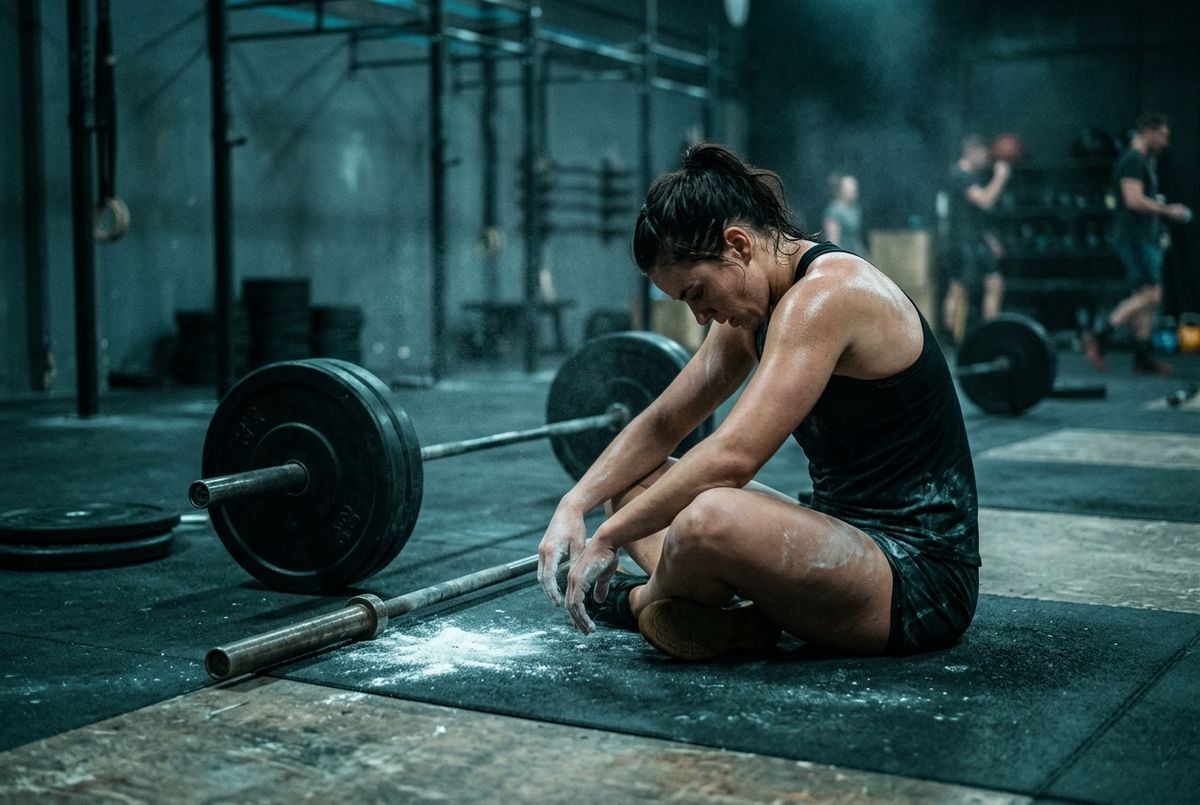
If you're serious about your training, recovery matters just as much as the workout itself. At-home recovery systems for athletes offer various options to support your routine without leaving your house.

Here's what's available, what to expect, and how to build a recovery routine that fits your life.

What Makes a Recovery System Worth Your Time

A solid at-home recovery system offers different approaches to support your training routine. You don't need a million tools. You need the right ones for your needs.

The most versatile systems combine tools that address different recovery approaches. Some help you work with tight muscles. Others are designed to support circulation and oxygen delivery. Many athletes use multiple tools.

When you're choosing what to invest in, look for systems that fit your schedule and your training style. A tool you'll actually use beats the fanciest gadget collecting dust in your garage.

Foam Rollers and Massage Tools: The Foundation

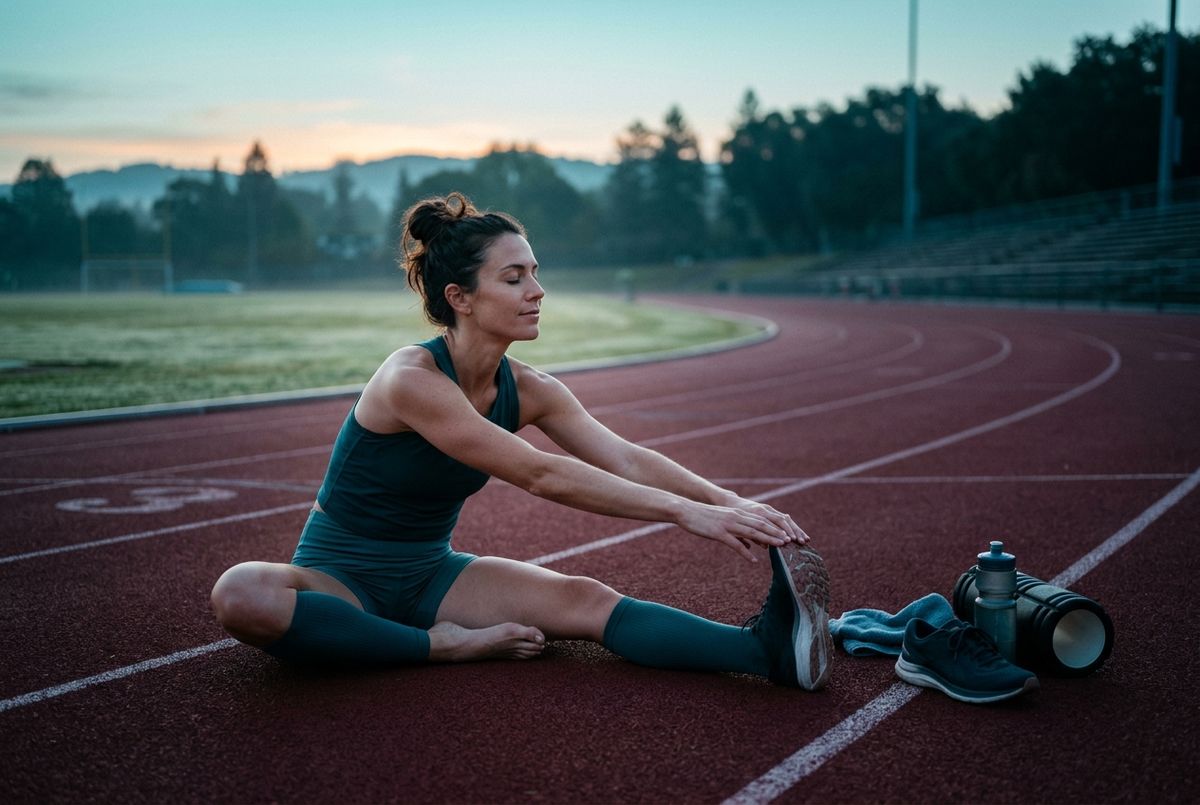
Foam rollers are a common choice for at-home recovery. They work on muscle areas before and after training sessions.

Here's how a foam roller is typically used: as you roll over muscles, you apply pressure to different areas. Most athletes spend 5-10 minutes on problem areas like calves, quads, and hip flexors.

Massage sticks add another option. They let you target specific muscle groups with more control and pressure than a foam roller. Your forearms, hamstrings, and shoulders are common areas for stick work.

Both tools are affordable, require zero setup, and are easy to use. You can use them regularly as part of your routine.

Mobility Apps and Guided Routines

Your phone is a recovery tool. Mobility apps give you structured, guided routines you can follow at home anytime.

A good mobility app walks you through stretching and activation work. If you're a runner, you get routines for hip and ankle areas. If you lift, you get shoulder and knee routines. Most take 10-20 minutes and you can fit them in before bed or between training blocks.

The advantage is consistency and structure. You follow along with a guided routine.

Oxygen and Cellular Support: The Advanced Layer

best at-home recovery systems for athletes

If you want to explore advanced recovery options, oxygen delivery systems offer a different approach to at-home recovery. These systems are designed to deliver oxygen through your skin into the tissue beneath.

Water-based oxygen systems use water to carry oxygen into your skin. When you use these systems at home, you're using a targeted approach to specific areas or your whole body.

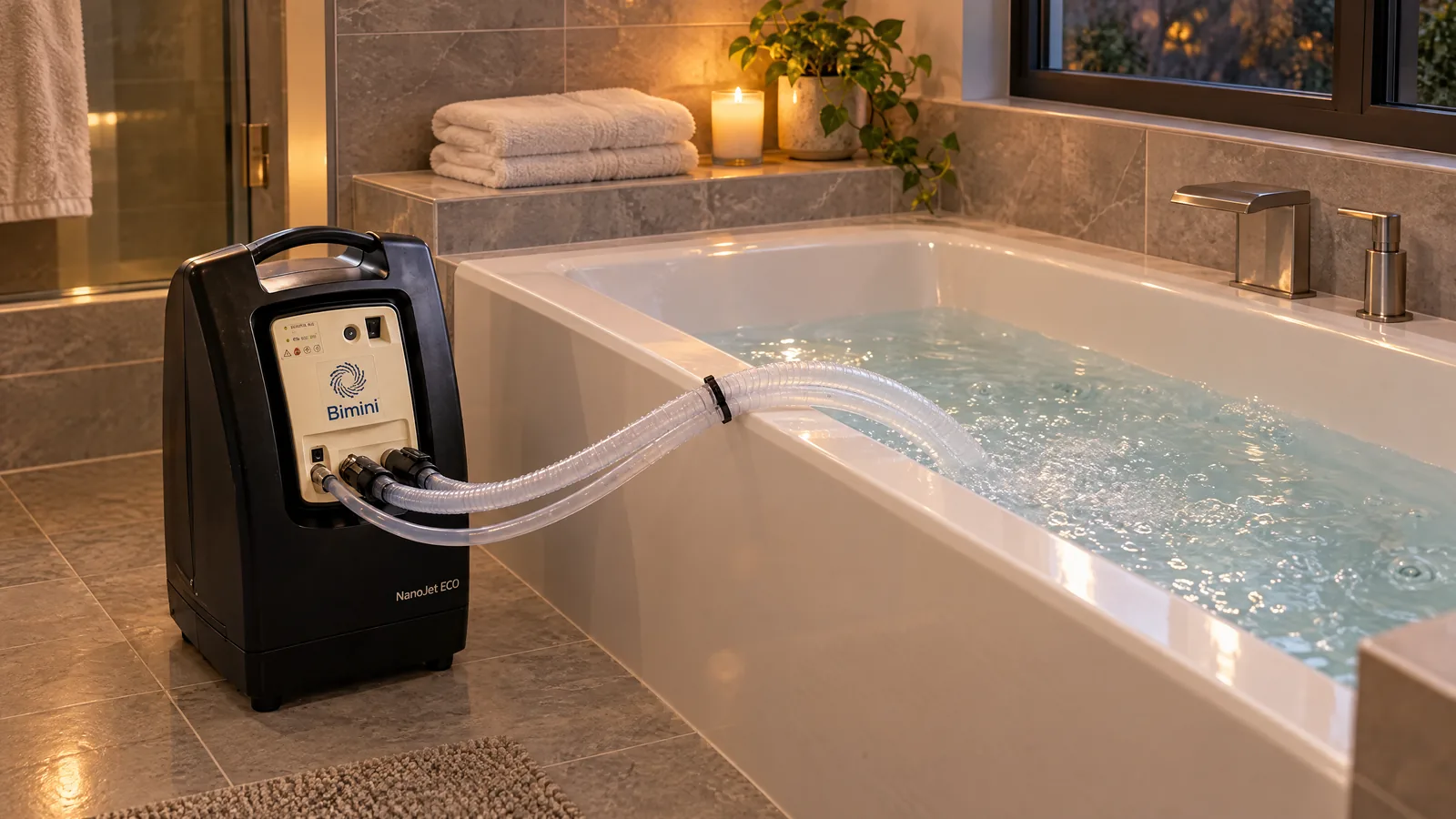
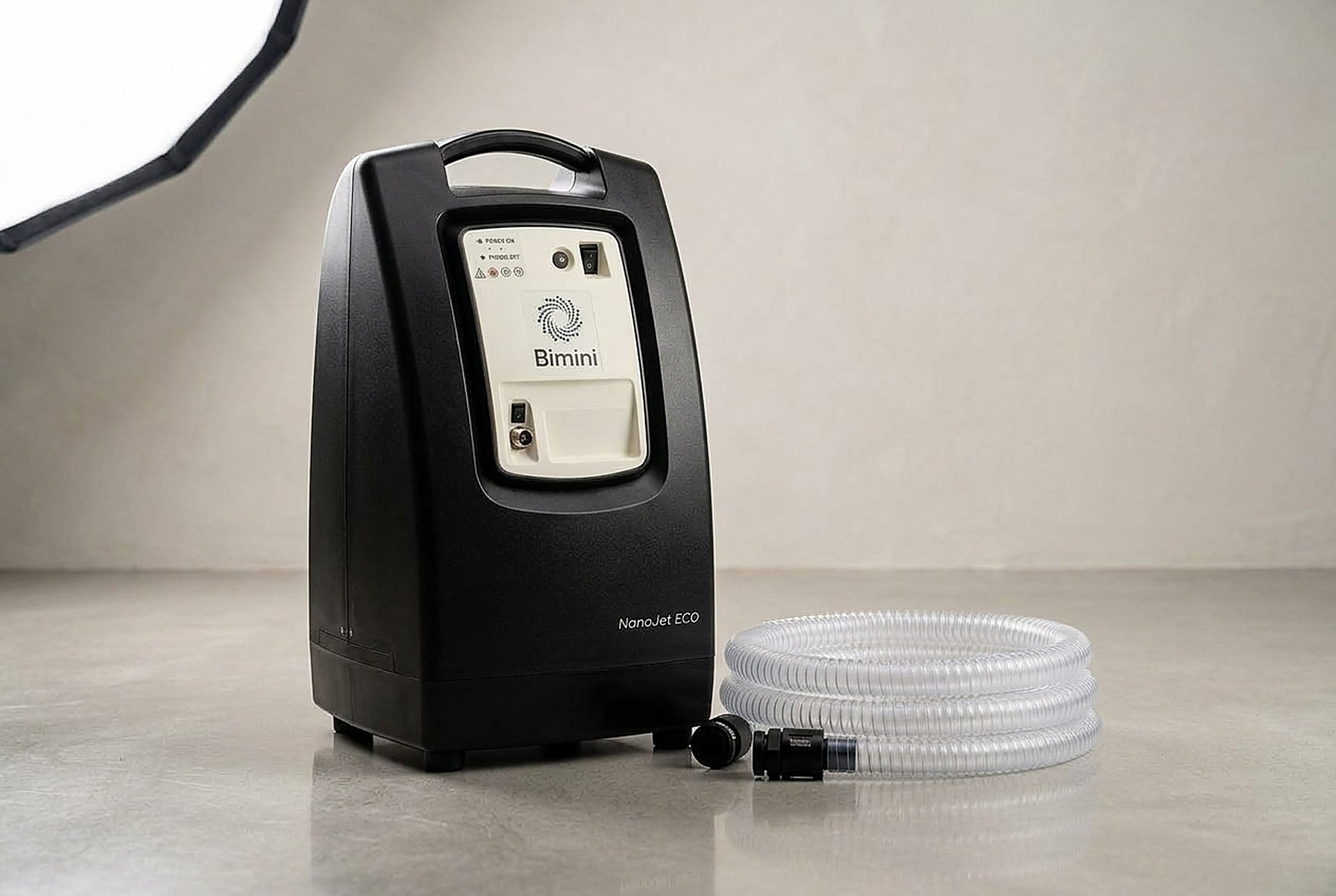
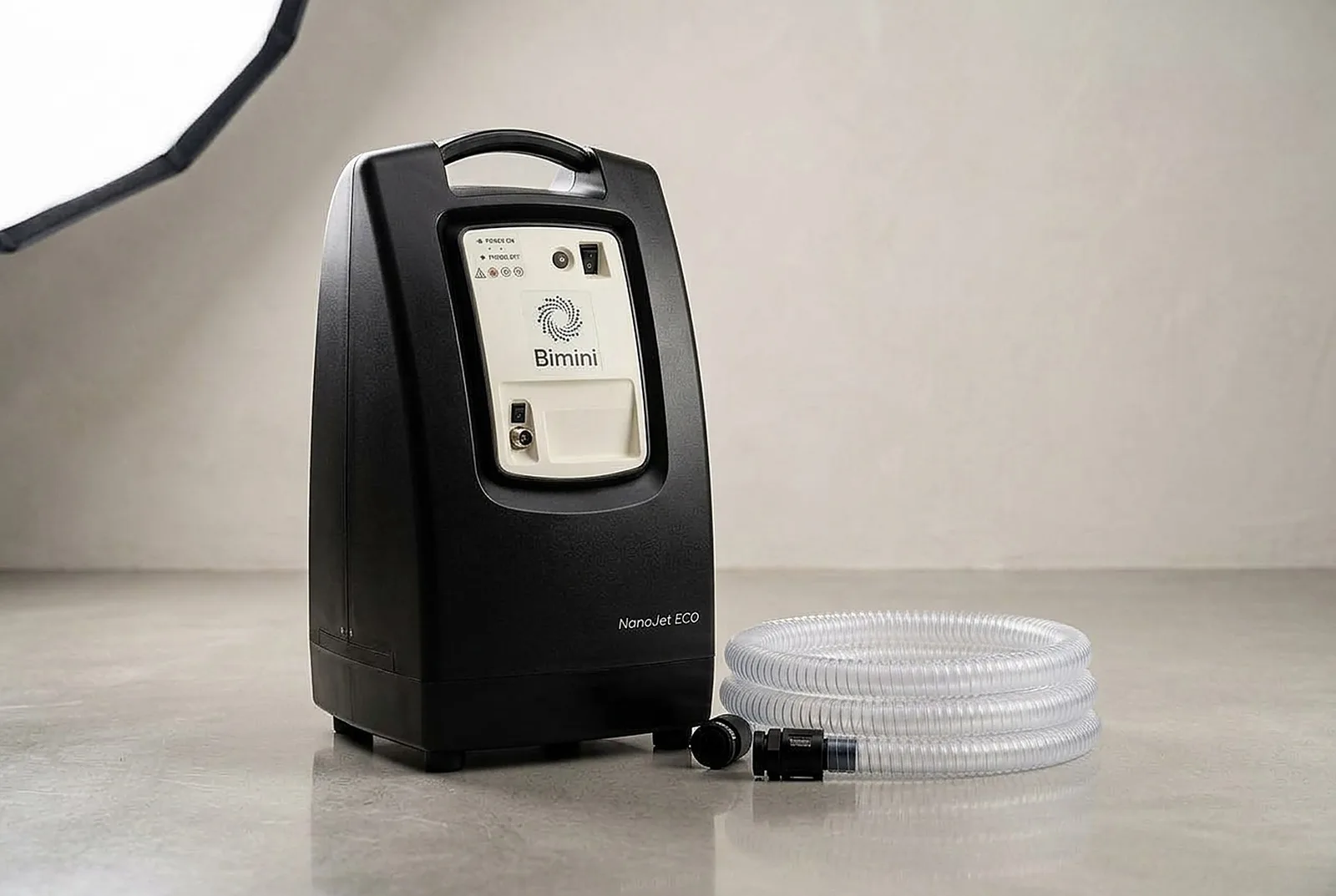
The NanoJet Eco is designed for everyday athletes who want an affordable entry into oxygen-based recovery systems. It's compact and easy to use. Refer to the manufacturer's instructions for how to use this device as part of your routine.
biminihydrotherapy.com

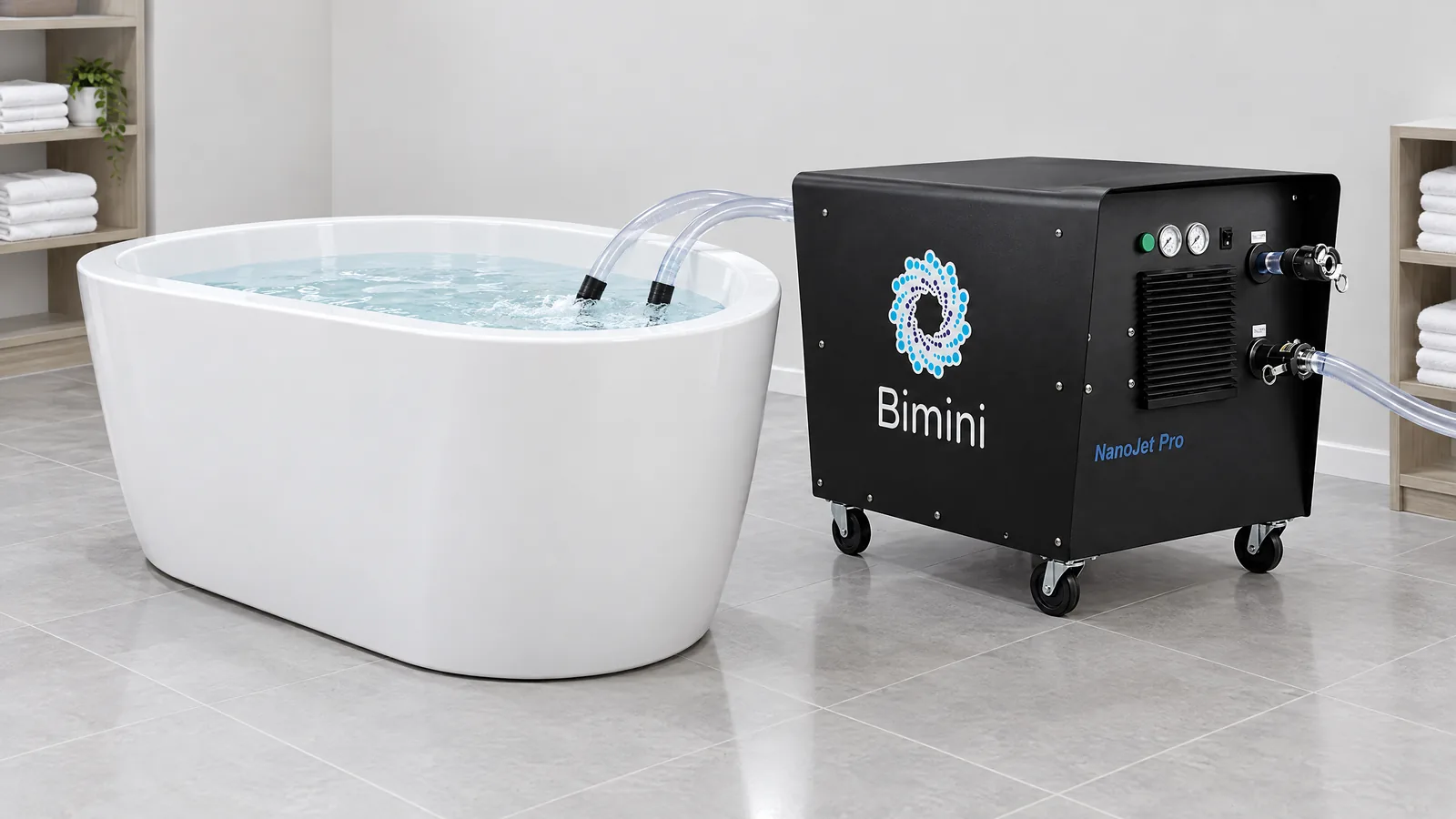
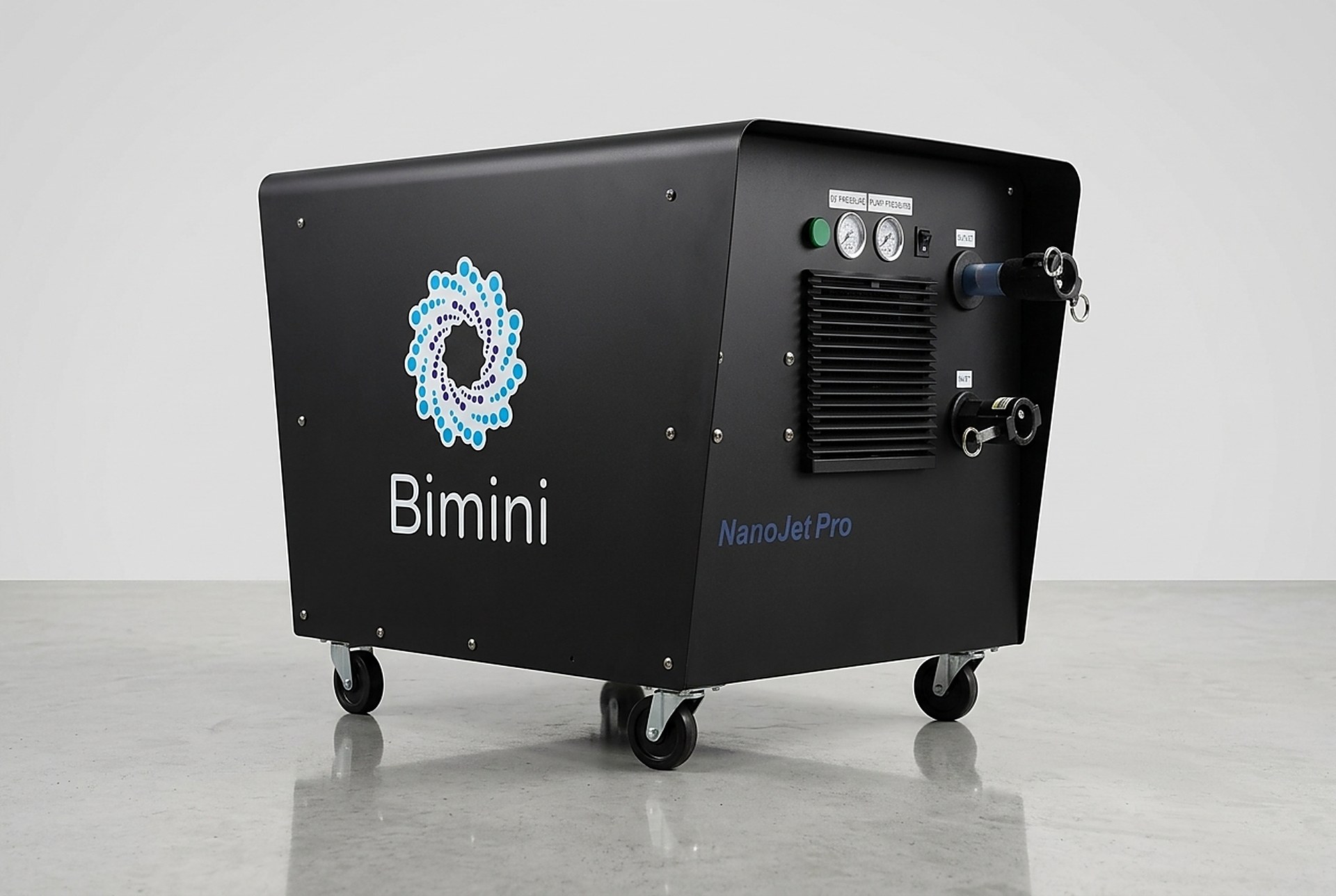
For athletes who want more advanced oxygen nanobubble technology, the NanoJet Pro offers additional features and capabilities. Refer to the manufacturer's instructions for specifications and use guidelines.

Full-Body Recovery Immersion Systems

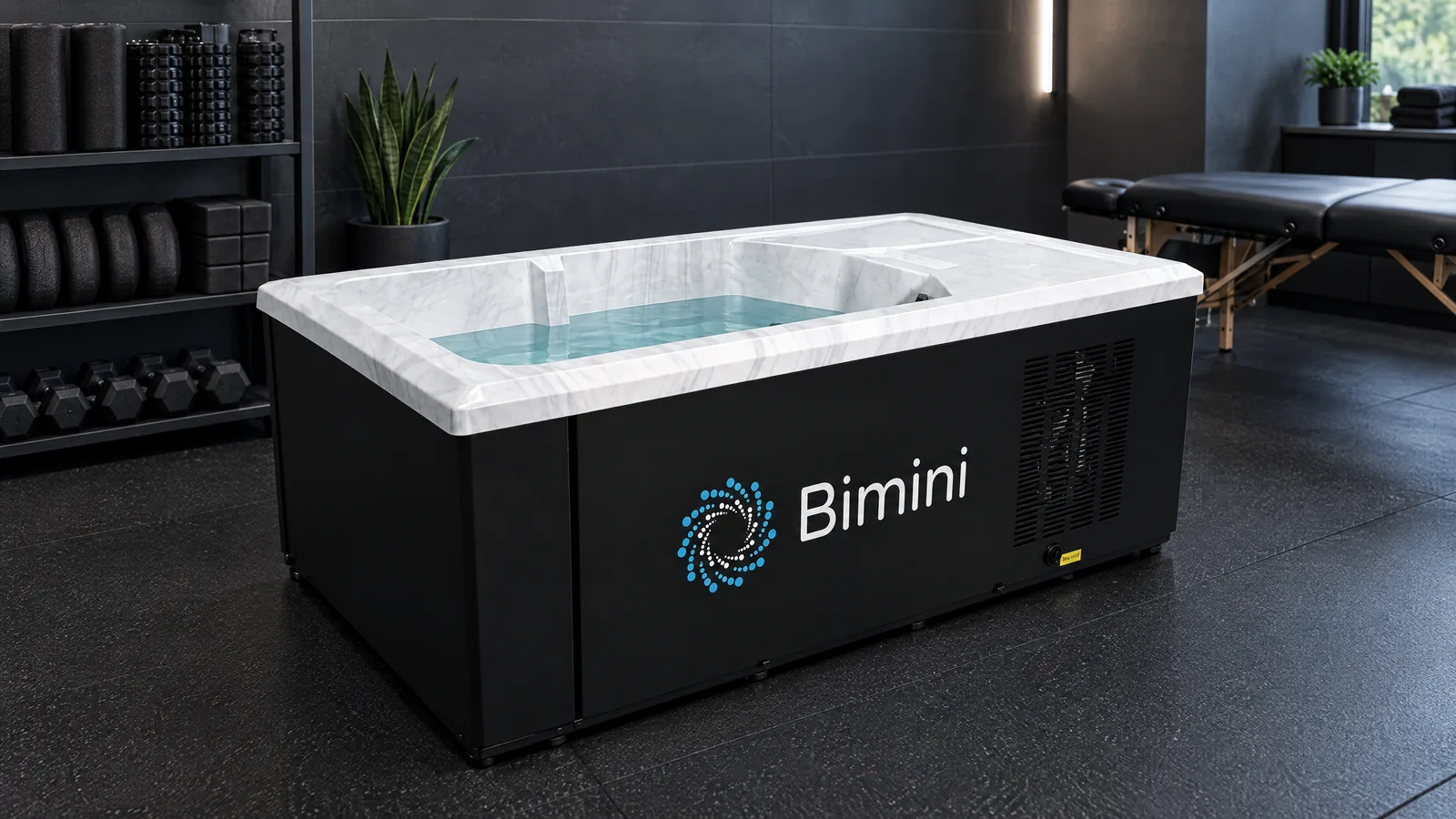
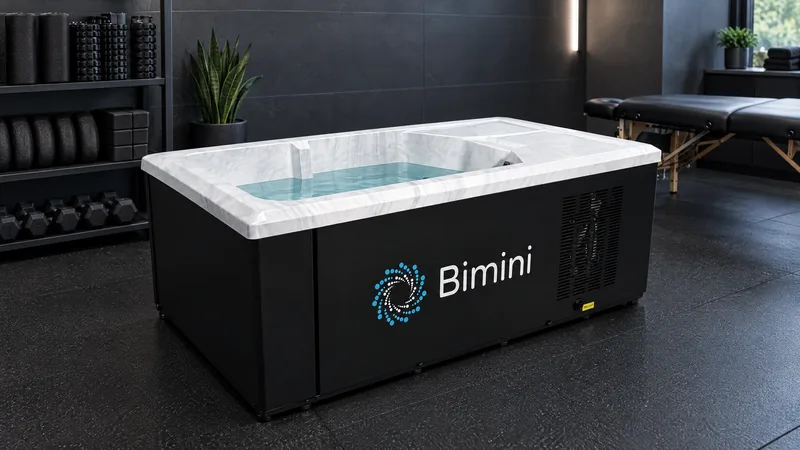
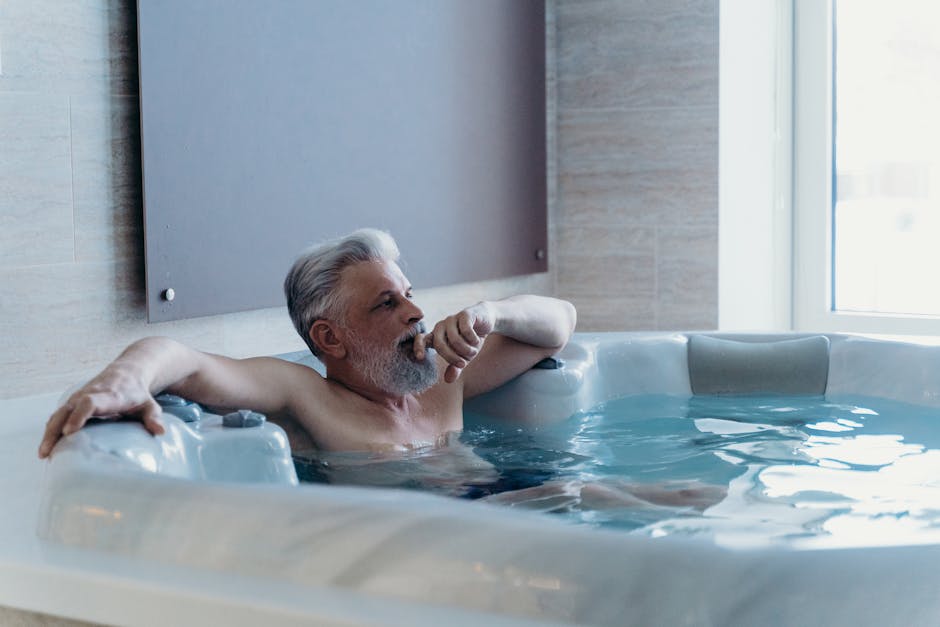
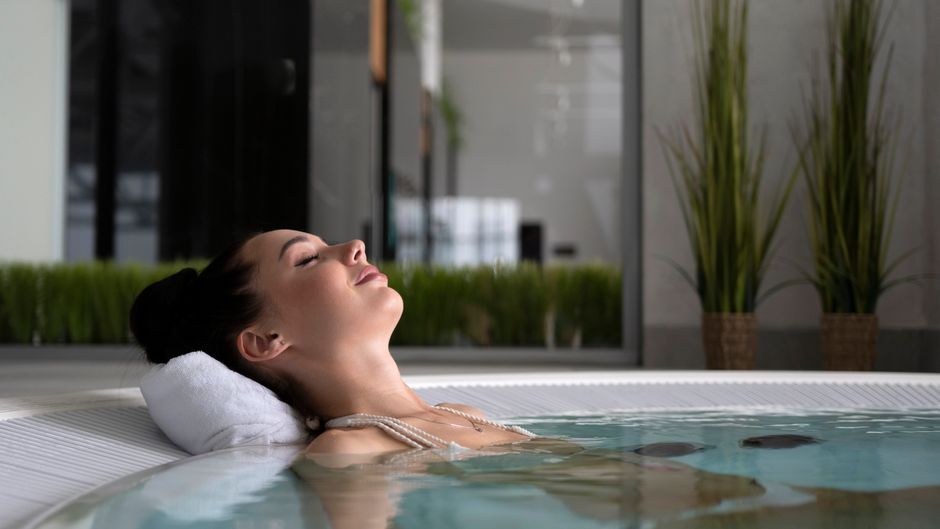
Some recovery approaches use full-body immersion. Water immersion is a common recovery method used by athletes. The HydroLounge combines immersion with oxygen nanobubble technology, offering a different approach to at-home recovery.

Related: HydroLounge Integrated Recovery Tub Benefits for Athletes

If you have the space and budget, a full immersion system is one option for at-home recovery. Refer to the manufacturer's instructions for how to use this device.

Building Your Own Recovery Stack

You don't need everything at once. Start with what fits your training and your space.

For beginners: Start with a foam roller and a mobility app. These cost almost nothing and are easy to use. Use them regularly as part of your routine.

For intermediate athletes: Add a massage stick and consider using an oxygen recovery system regularly. This combination offers different approaches to recovery.

For serious competitors: Layer multiple tools. Foam roll regularly, use mobility apps, add oxygen therapy sessions to your routine, and use full-body immersion recovery as part of your training schedule.

The key is consistency. A basic system you use regularly beats an expensive system you use occasionally.

Why At-Home Recovery Beats the Gym

best at-home recovery systems for athletes

Recovery at home means you can use your tools immediately after training, on your schedule. No travel time. No waiting for equipment. Just you and the tools you choose.

At-home systems also let you recover on your schedule. Early morning? Late night? Between sessions? You're never blocked by hours or availability.

Finally, you build ownership. You're responsible for your recovery routine, so you actually use it consistently.

Getting Started With Your At-Home Recovery Routine

Here's a routine most athletes can incorporate:

  • Foam roll as part of your routine after training
  • Follow a mobility app routine several times weekly
  • Use an oxygen recovery system as part of your routine
  • Sleep 8 hours

Start here. After two weeks, you'll know what works for your routine. Adjust from there.

If you want to explore oxygen nanobubble systems, biminihydrotherapy.com has detailed resources on how these systems work and specifications for different models.

Frequently Asked Questions

How often should I use at-home recovery tools?

Use foam rollers and massage sticks regularly as part of your routine. Mobility routines work well several times per week. Oxygen recovery systems can be used regularly depending on your training schedule. Refer to the manufacturer's instructions for each device.

Can at-home recovery actually replace professional help?

At-home systems offer various recovery options. You might still need a physical therapist if you're injured, but for routine recovery between training sessions, at-home tools are a common choice.

How long before I notice results from recovery tools?

Results vary by individual and by tool. Refer to the manufacturer's instructions for each device to understand what to expect.

What's the best recovery tool to start with if I'm on a budget?

Buy a foam roller first (they're affordable and easy to use), then add a mobility app (many are free). These two tools are a good starting point. You can add oxygen therapy systems later when your budget allows.
HomeBlogBest At-Home Recovery Systems for Athletes in 2026

Best At-Home Recovery Systems for Athletes in 2026

Reviewed by the Bimini Hydrotherapy team· Published October 22, 2026· Updated October 23, 2026· 6 min read

You don't need a fancy gym or recovery clinic to bounce back faster. The best at-home recovery systems give you professional-grade tools that actually work.

Bimini NanoJet Pro connected to a soaking tub in a training facility

If you're serious about your training, recovery matters just as much as the workout itself. At-home recovery systems for athletes offer various options to support your routine without leaving your house.

Here's what's available, what to expect, and how to build a recovery routine that fits your life.

What Makes a Recovery System Worth Your Time

A solid at-home recovery system offers different approaches to support your training routine. You don't need a million tools. You need the right ones for your needs.

The most versatile systems combine tools that address different recovery approaches. Some help you work with tight muscles. Others are designed to support circulation and oxygen delivery. Many athletes use multiple tools.

When you're choosing what to invest in, look for systems that fit your schedule and your training style. A tool you'll actually use beats the fanciest gadget collecting dust in your garage.

Foam Rollers and Massage Tools: The Foundation

Foam rollers are a common choice for at-home recovery. They work on muscle areas before and after training sessions.

Here's how a foam roller is typically used: as you roll over muscles, you apply pressure to different areas. Most athletes spend 5-10 minutes on problem areas like calves, quads, and hip flexors.

Massage sticks add another option. They let you target specific muscle groups with more control and pressure than a foam roller. Your forearms, hamstrings, and shoulders are common areas for stick work.

Both tools are affordable, require zero setup, and are easy to use. You can use them regularly as part of your routine.

Mobility Apps and Guided Routines

Your phone is a recovery tool. Mobility apps give you structured, guided routines you can follow at home anytime.

A good mobility app walks you through stretching and activation work. If you're a runner, you get routines for hip and ankle areas. If you lift, you get shoulder and knee routines. Most take 10-20 minutes and you can fit them in before bed or between training blocks.

The advantage is consistency and structure. You follow along with a guided routine.

Oxygen and Cellular Support: The Advanced Layer

Bimini Integrated Recovery Tub in a performance gym recovery room

If you want to explore advanced recovery options, oxygen delivery systems offer a different approach to at-home recovery. These systems are designed to deliver oxygen through your skin into the tissue beneath.

Water-based oxygen systems use water to carry oxygen into your skin. When you use these systems at home, you're using a targeted approach to specific areas or your whole body.

The NanoJet Eco is designed for everyday athletes who want an affordable entry into oxygen-based recovery systems. It's compact and easy to use. Refer to the manufacturer's instructions for how to use this device as part of your routine.

Bimini NanoJet Eco connected to a standard home bathtub

For athletes who want more advanced oxygen nanobubble technology, the NanoJet Pro offers additional features and capabilities. Refer to the manufacturer's instructions for specifications and use guidelines.

Full-Body Recovery Immersion Systems

Some recovery approaches use full-body immersion. Water immersion is a common recovery method used by athletes. The HydroLounge combines immersion with oxygen nanobubble technology, offering a different approach to at-home recovery.

If you have the space and budget, a full immersion system is one option for at-home recovery. Refer to the manufacturer's instructions for how to use this device.

Building Your Own Recovery Stack

You don't need everything at once. Start with what fits your training and your space.

For beginners: Start with a foam roller and a mobility app. These cost almost nothing and are easy to use. Use them regularly as part of your routine.

For intermediate athletes: Add a massage stick and consider using an oxygen recovery system regularly. This combination offers different approaches to recovery.

For serious competitors: Layer multiple tools. Foam roll regularly, use mobility apps, add oxygen therapy sessions to your routine, and use full-body immersion recovery as part of your training schedule.

The key is consistency. A basic system you use regularly beats an expensive system you use occasionally.

Why At-Home Recovery Beats the Gym

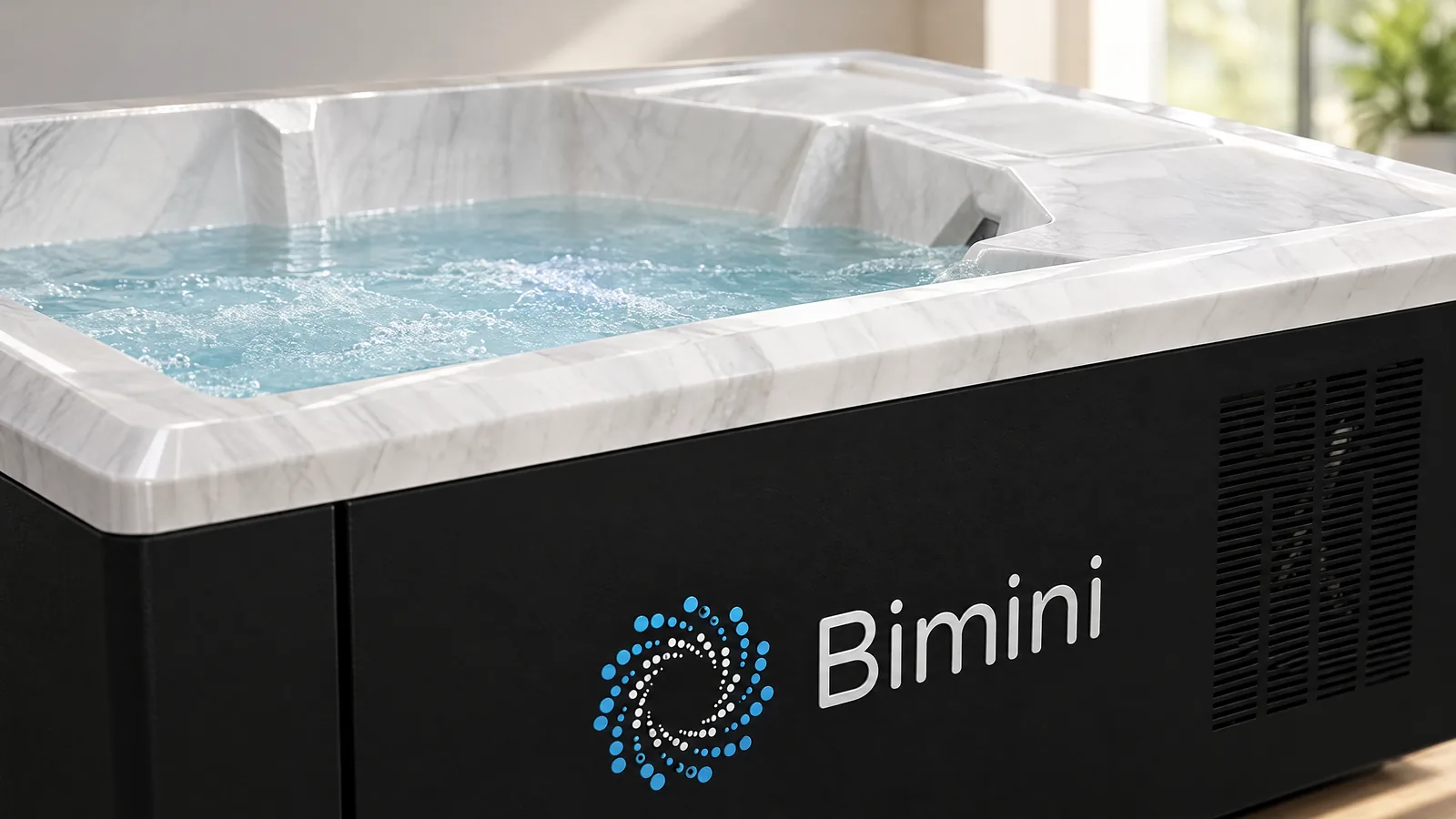
Oxygen nanobubbles in the Bimini Integrated Recovery Tub

Recovery at home means you can use your tools immediately after training, on your schedule. No travel time. No waiting for equipment. Just you and the tools you choose.

At-home systems also let you recover on your schedule. Early morning? Late night? Between sessions? You're never blocked by hours or availability.

Finally, you build ownership. You're responsible for your recovery routine, so you actually use it consistently.

Getting Started With Your At-Home Recovery Routine

Here's a routine most athletes can incorporate:

  • Foam roll as part of your routine after training
  • Follow a mobility app routine several times weekly
  • Use an oxygen recovery system as part of your routine
  • Sleep 8 hours

Start here. After two weeks, you'll know what works for your routine. Adjust from there.

If you want to explore oxygen nanobubble systems, biminihydrotherapy.com has detailed resources on how these systems work and specifications for different models.

Frequently Asked Questions

How often should I use at-home recovery tools?

Use foam rollers and massage sticks regularly as part of your routine. Mobility routines work well several times per week. Oxygen recovery systems can be used regularly depending on your training schedule. Refer to the manufacturer's instructions for each device.

Can at-home recovery actually replace professional help?

At-home systems offer various recovery options. You might still need a physical therapist if you're injured, but for routine recovery between training sessions, at-home tools are a common choice.

How long before I notice results from recovery tools?

Results vary by individual and by tool. Refer to the manufacturer's instructions for each device to understand what to expect.

What's the best recovery tool to start with if I'm on a budget?

Buy a foam roller first (they're affordable and easy to use), then add a mobility app (many are free). These two tools are a good starting point. You can add oxygen therapy systems later when your budget allows.
Free Guide

The At-Home Recovery System Used by Pro Athletes

Learn the science behind oxygen nanobubble therapy and how 58 named professional & Olympic athletes recover faster.

Related Bimini systems

Keep reading

Jason Applewhite, Founder of Bimini Hydrotherapy

Jason Applewhite · Founder, Bimini Hydrotherapy

Jason Applewhite is the founder of Bimini Hydrotherapy, where he develops oxygen nanobubble recovery systems used in homes, gyms and training facilities. He works directly with the Rice University research behind the technology and with the athletes and facility owners who use it every day.

Bimini products are wellness devices. They are not medical devices and are not intended to diagnose, treat, cure or prevent any disease. Talk with your doctor about any health condition.