
HomeBlogTransdermal Oxygen Delivery Technology: How It Works

Transdermal Oxygen Delivery Technology: How It Works

Reviewed by the Bimini Hydrotherapy team· Published October 22, 2026· Updated October 23, 2026· 8 min read

Transdermal oxygen delivery pushes pure oxygen directly into your tissue through the skin using electrochemical generators. It works 24/7 to support cellular renewal and recovery—here's exactly how.

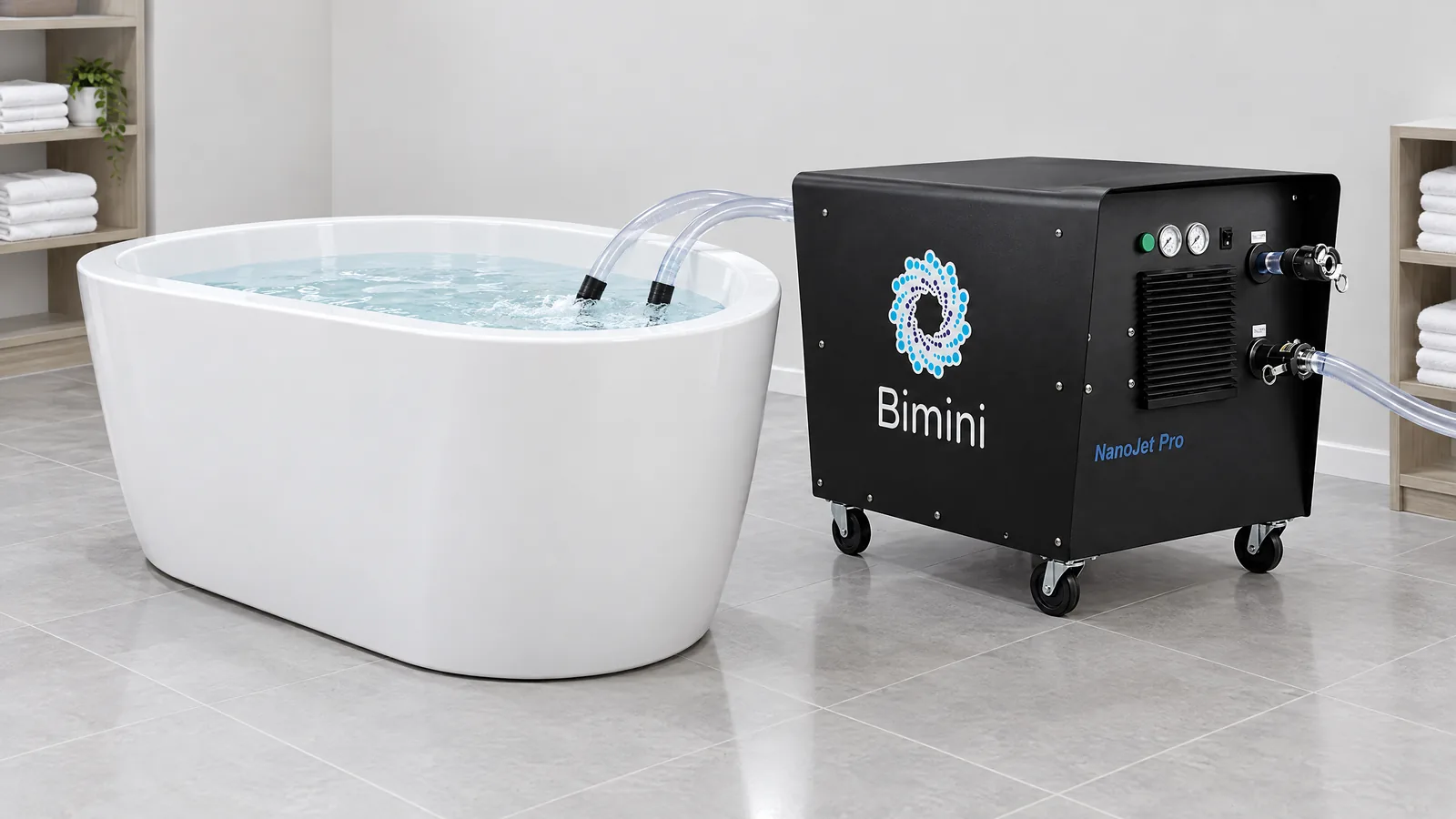
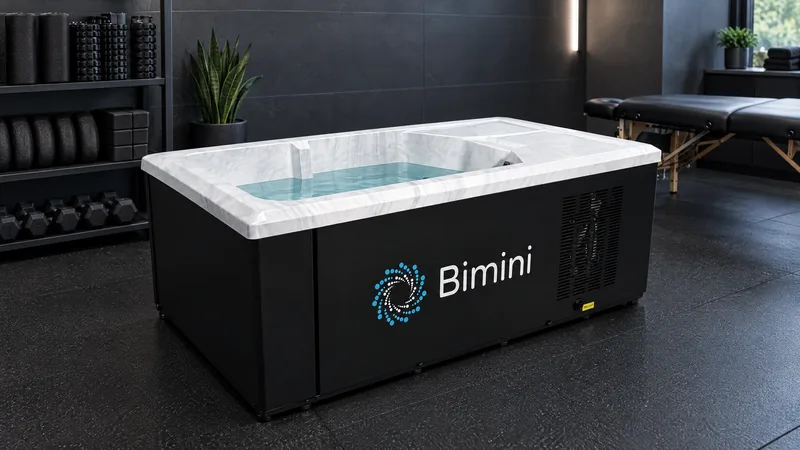
Bimini NanoJet Pro connected to a soaking tub in a training facility

Transdermal oxygen delivery technology involves delivering concentrated oxygen directly into body tissues through the skin without needles or invasive procedures. The system generates oxygen on-demand through electrochemical water electrolysis, then delivers it continuously through flexible tubes to specialized dressings or application zones.

Here's what makes it different from other oxygen delivery approaches. The system generates pure oxygen on-demand through electrochemical water electrolysis, then delivers it continuously through flexible tubes to specialized dressings or application zones. Oxygen is absorbed through the skin barrier, which is why it's called "transdermal." The oxygen concentration can reach up to 98% humidified because it's extracted and purified from atmospheric air in real time.

Understanding how transdermal oxygen works will help you evaluate this technology for your needs. Let's walk through the mechanics.

How Transdermal Oxygen Delivery Actually Works

The whole system hinges on three core components working together: an oxygen generator, delivery tubes, and a specialized dressing or application interface.

The oxygen generator is the core of the system. It uses tape-based electrochemical technology to split water molecules into hydrogen and oxygen. These generators are portable and powered by rechargeable batteries. Atmospheric air enters the device, gets processed, and pure oxygen comes out the other end. This happens automatically and continuously.

The delivery pathway connects your generator to the target area. Flexible tubes carry the oxygen from the generator to wound dressings or topical application sites. Because the system runs continuously, you get uninterrupted oxygen flow around the clock.

The dressing or application zone is where oxygen is delivered. Specialized wound dressings are designed to maintain moisture while keeping the oxygen pure and concentrated. When oxygen reaches this moist wound bed or application site, it diffuses directly into the tissue. This is different from systemic oxygen delivery—oxygen goes directly to the application area rather than through circulation.

The oxygen-enriched microenvironment is created at the application site. Athletes and recovery professionals have adopted this technology because the mechanism is transparent and measurable.

Why Continuous Oxygen Delivery Matters

Cells require oxygen for their metabolic processes. When you deliver highly concentrated oxygen directly into tissue, you're providing oxygen availability at the application site.

Continuous delivery is a key feature of this technology. Many oxygen delivery systems rely on periodic sessions—you use them for 30 minutes or an hour, then stop. Transdermal systems operate continuously by running 24/7, which means oxygen is available consistently at the application area.

This is why biminihydrotherapy.com emphasizes continuous oxygen delivery in their systems. The portable, battery-powered design means you can keep oxygen flowing whether you're at home, training, or traveling. No clinical visits required.
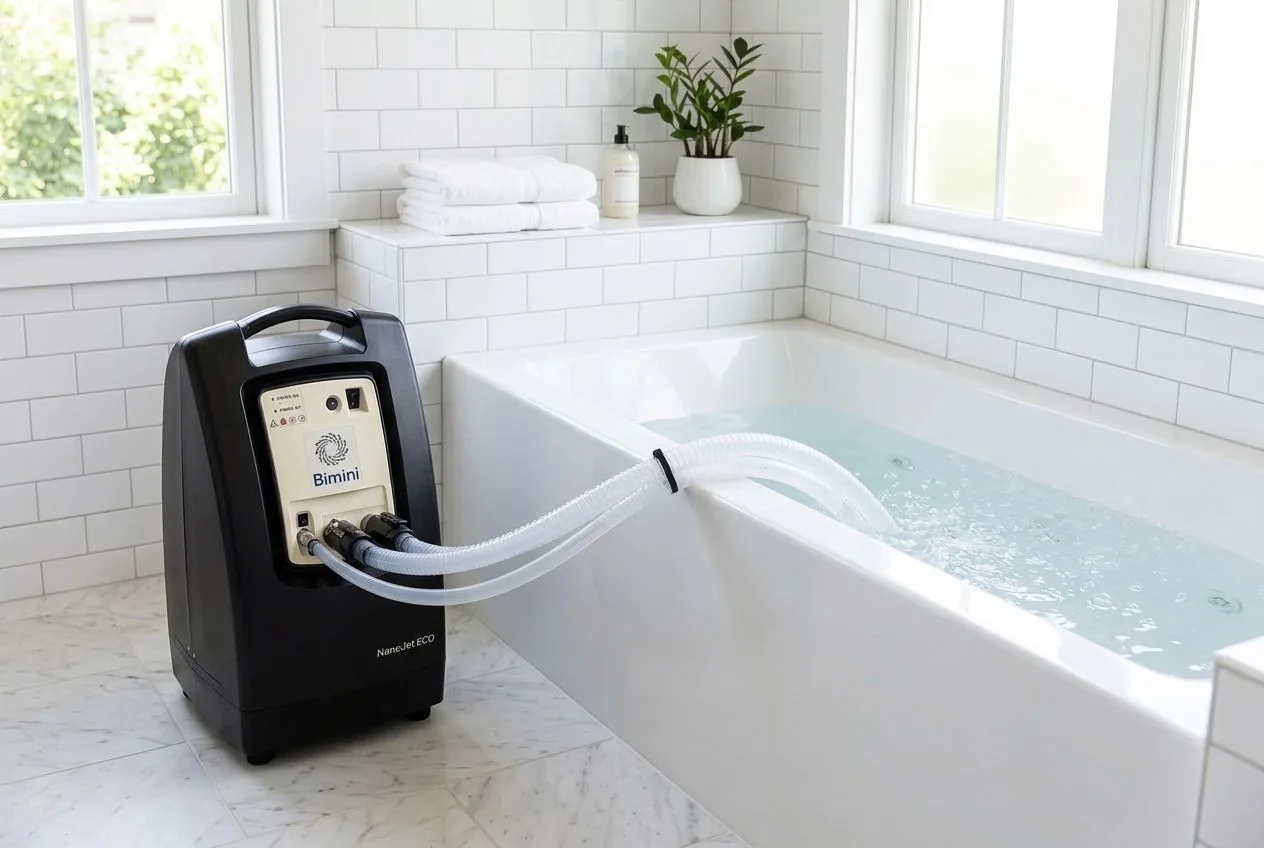
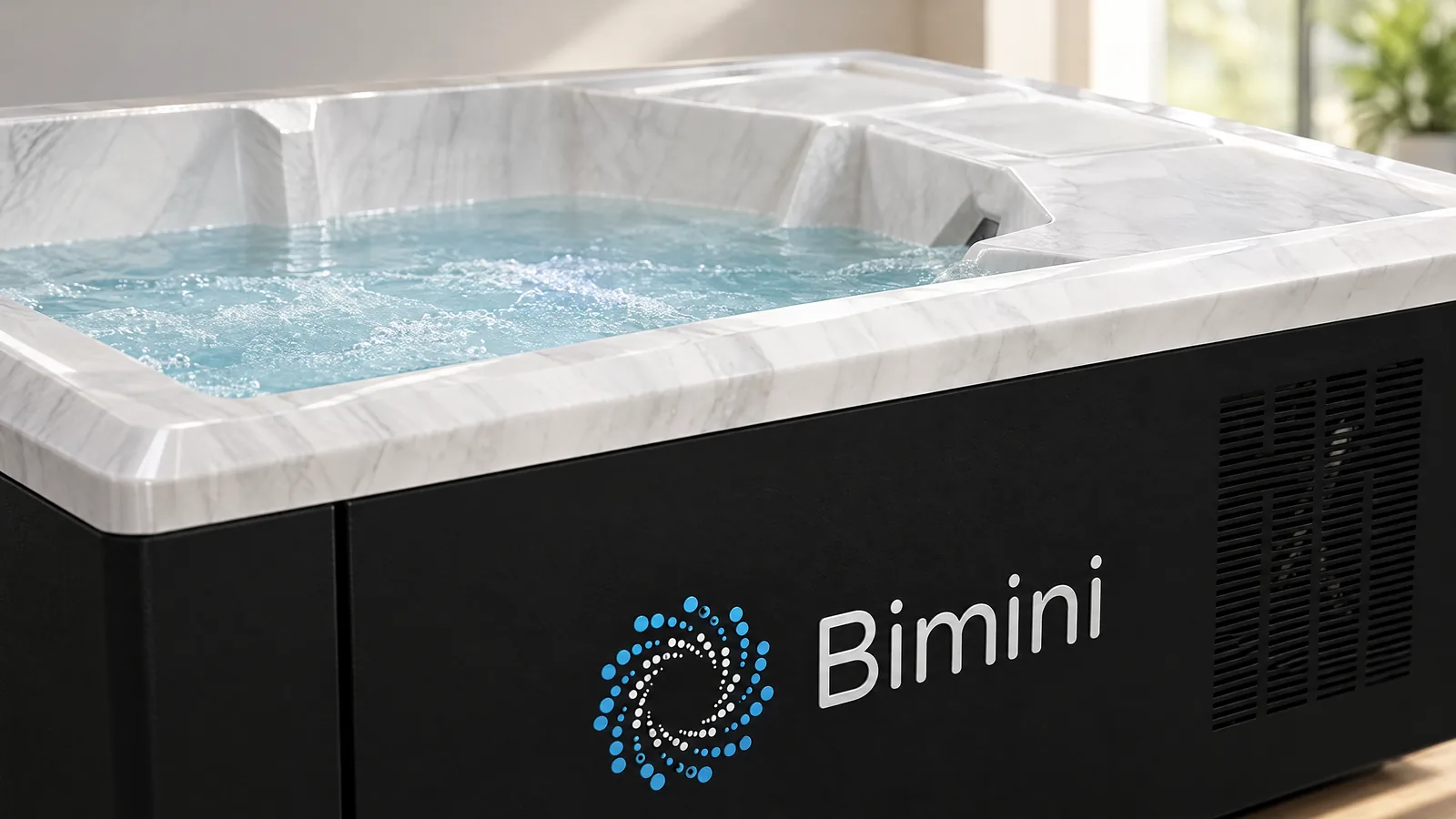
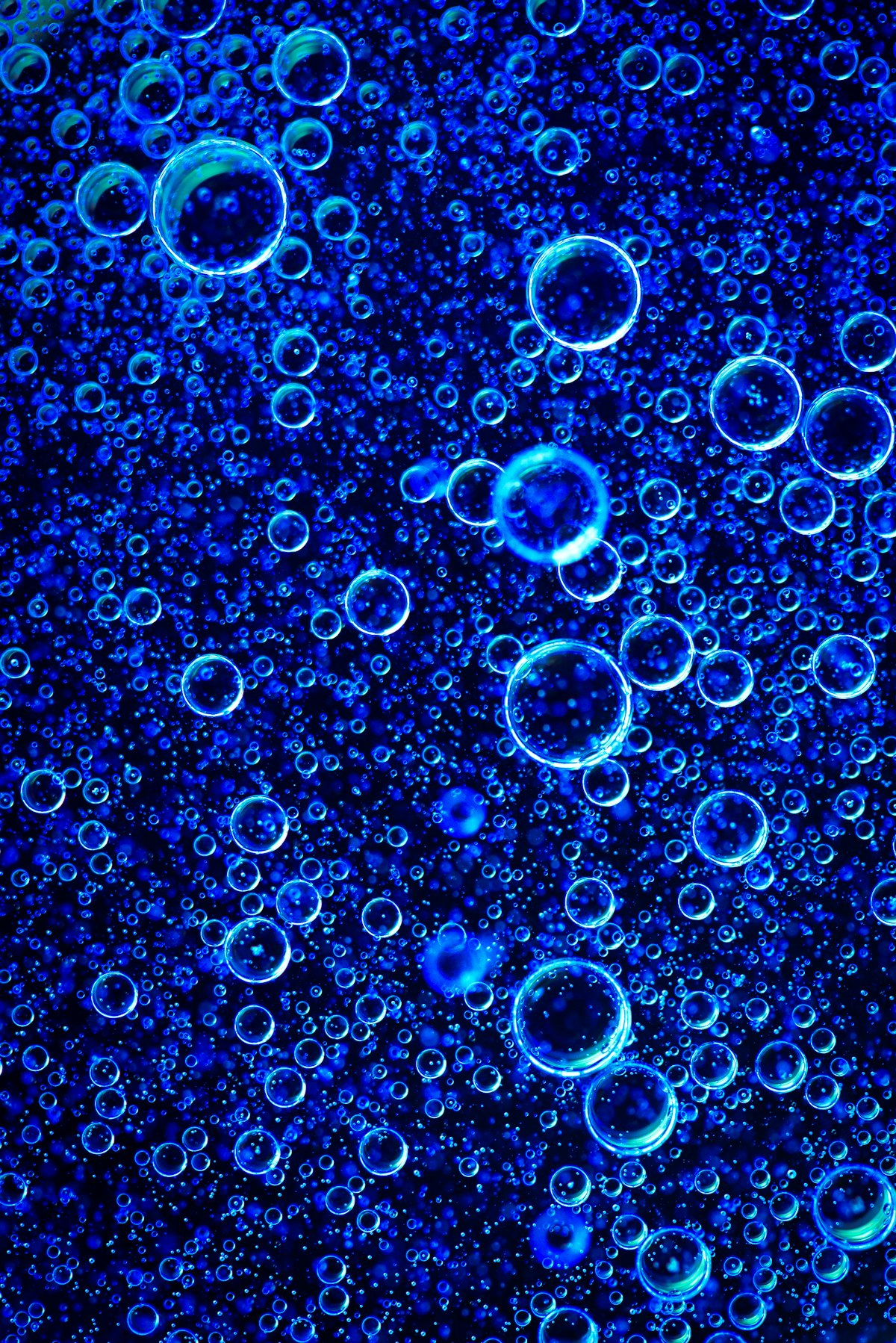
Oxygen nanobubbles in the Bimini Integrated Recovery Tub

The Role of Humidity and Oxygen Concentration

Humidity is an important factor in oxygen delivery systems. Transdermal systems deliver humidified oxygen—typically 98% O2 with moisture maintained. Moisture helps maintain the tissue environment at the application site.

The concentration level is a key specification. Standard air is about 21% oxygen. Transdermal systems concentrate oxygen up to 98% and apply it directly to tissue. This creates a higher oxygen concentration at the application area compared to what systemic delivery alone could provide.

Refer to your device's instructions for specific information about oxygen concentration and humidity levels.

Portability and Battery Power
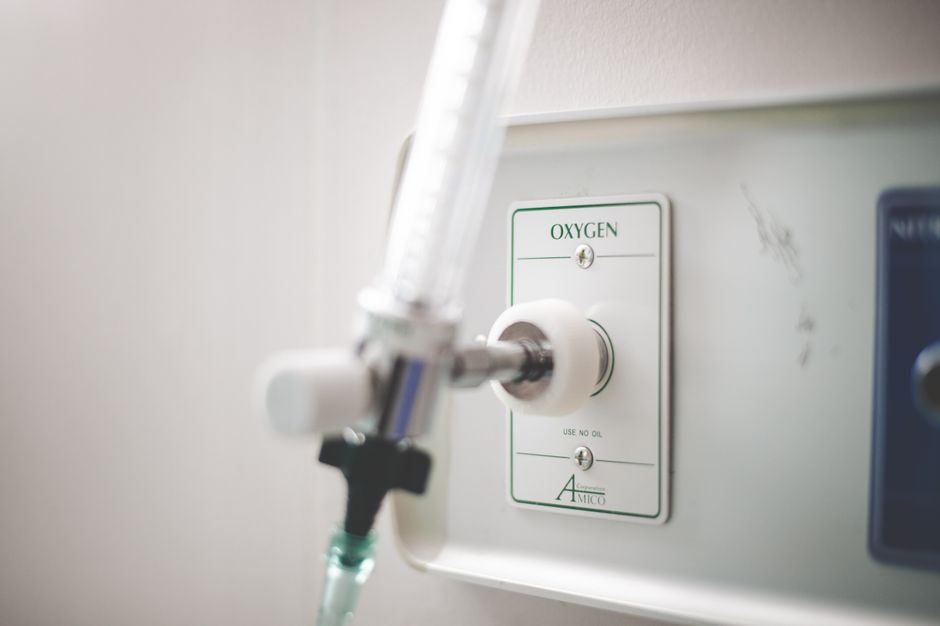
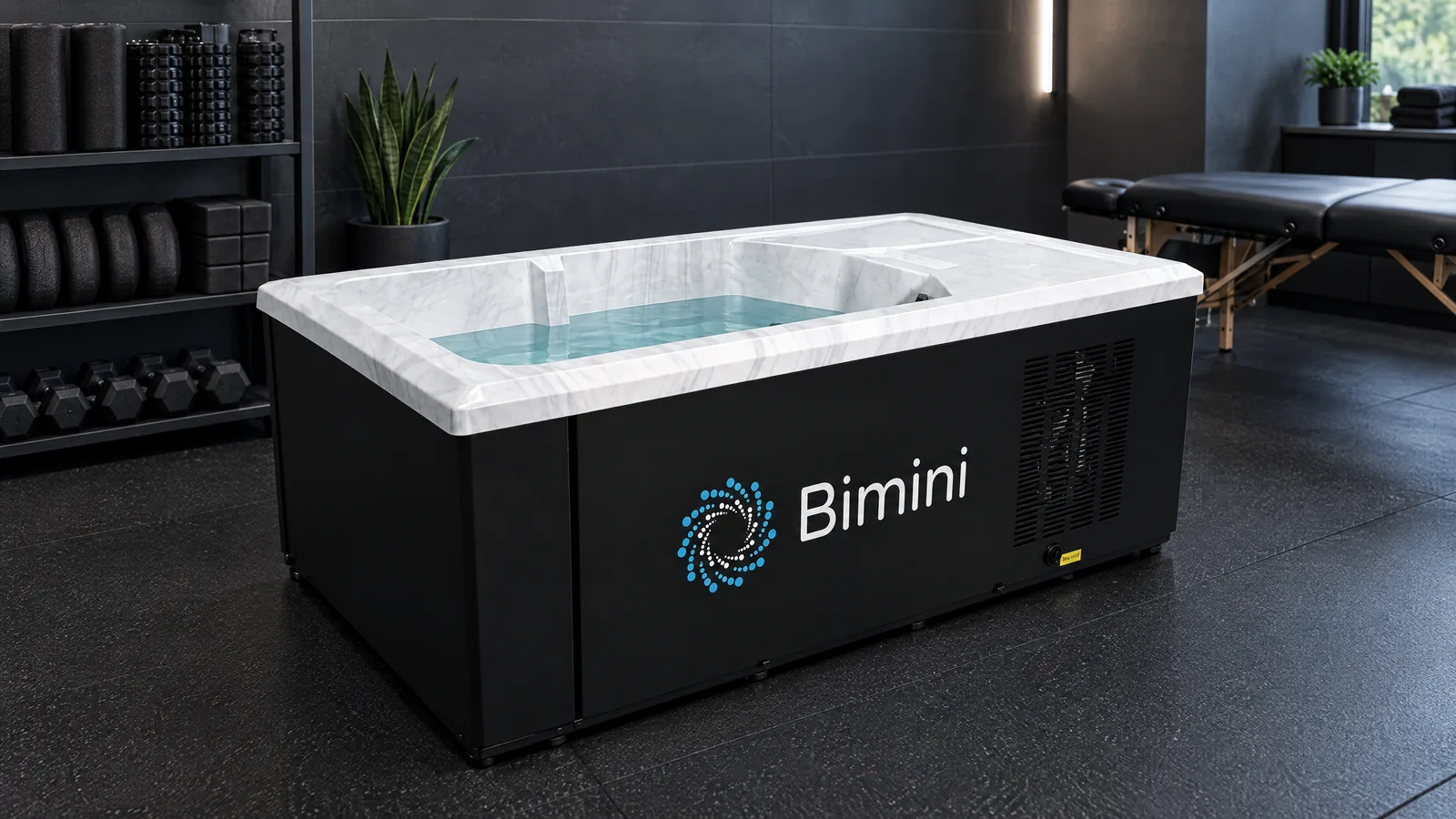
Bimini Integrated Recovery Tub in a performance gym recovery room

Modern electrochemical generators use rechargeable batteries, which means you can move around freely during use. This portability is a key feature of contemporary systems.

This flexibility allows you to use the device while at work, training, or home. The battery powers your generator continuously, and you can swap in a fresh battery when needed. No downtime, no clinic appointments required.

The portability also means you can use transdermal oxygen as part of your overall routine. Refer to the manufacturer's instructions for guidance on how to integrate this device into your personal use protocol.

What Happens at the Application Site

Once oxygen is delivered to tissue through the skin barrier, it enters the cells at the application area. Oxygen is used in cellular metabolic processes. This is especially relevant for tissue that receives direct oxygen delivery through this system.

The continuous availability of oxygen at the application site is the primary mechanism of this technology. Refer to your device's instructions and consult a qualified healthcare professional if you have questions about how this device may be suitable for your specific situation.

Comparing Continuous vs. Pressurized Delivery Systems

You may encounter two main approaches to transdermal oxygen: continuous delivery systems and pressurized systems. The difference matters depending on your use case.

Continuous delivery systems flow oxygen steadily at atmospheric pressure through flexible tubing into dressings or application zones. They're designed for extended use. Most portable systems use this approach.

Pressurized systems push oxygen under pressure into tissue. They typically require clinical supervision and aren't portable in the same way. If you're looking for a home-based solution, continuous systems are the practical choice.

When you're exploring options at biminihydrotherapy.com, you'll find systems built around continuous delivery. Refer to each manufacturer's instructions for specific guidance on which system is appropriate for your needs.

Integration With Your Routine
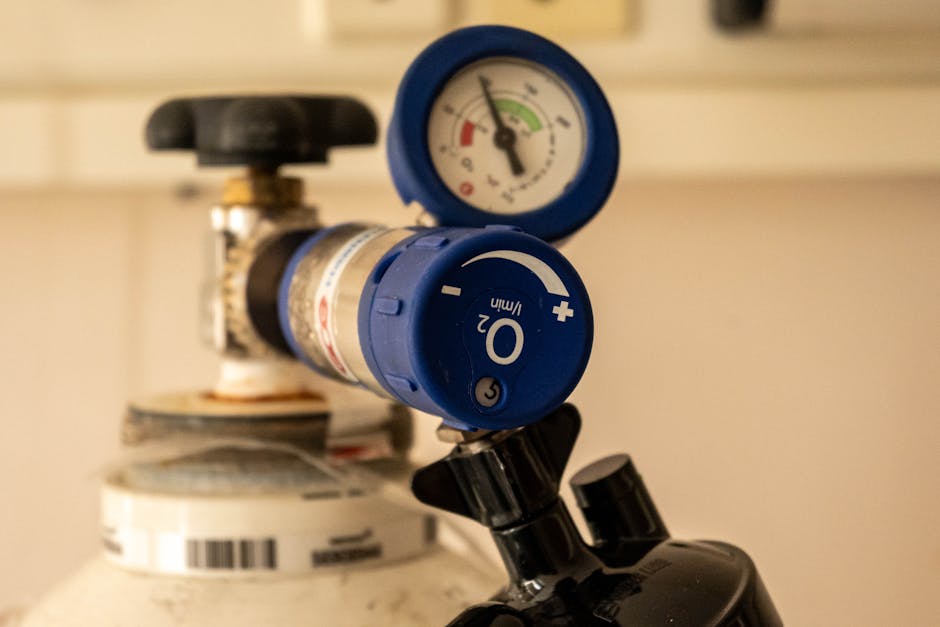
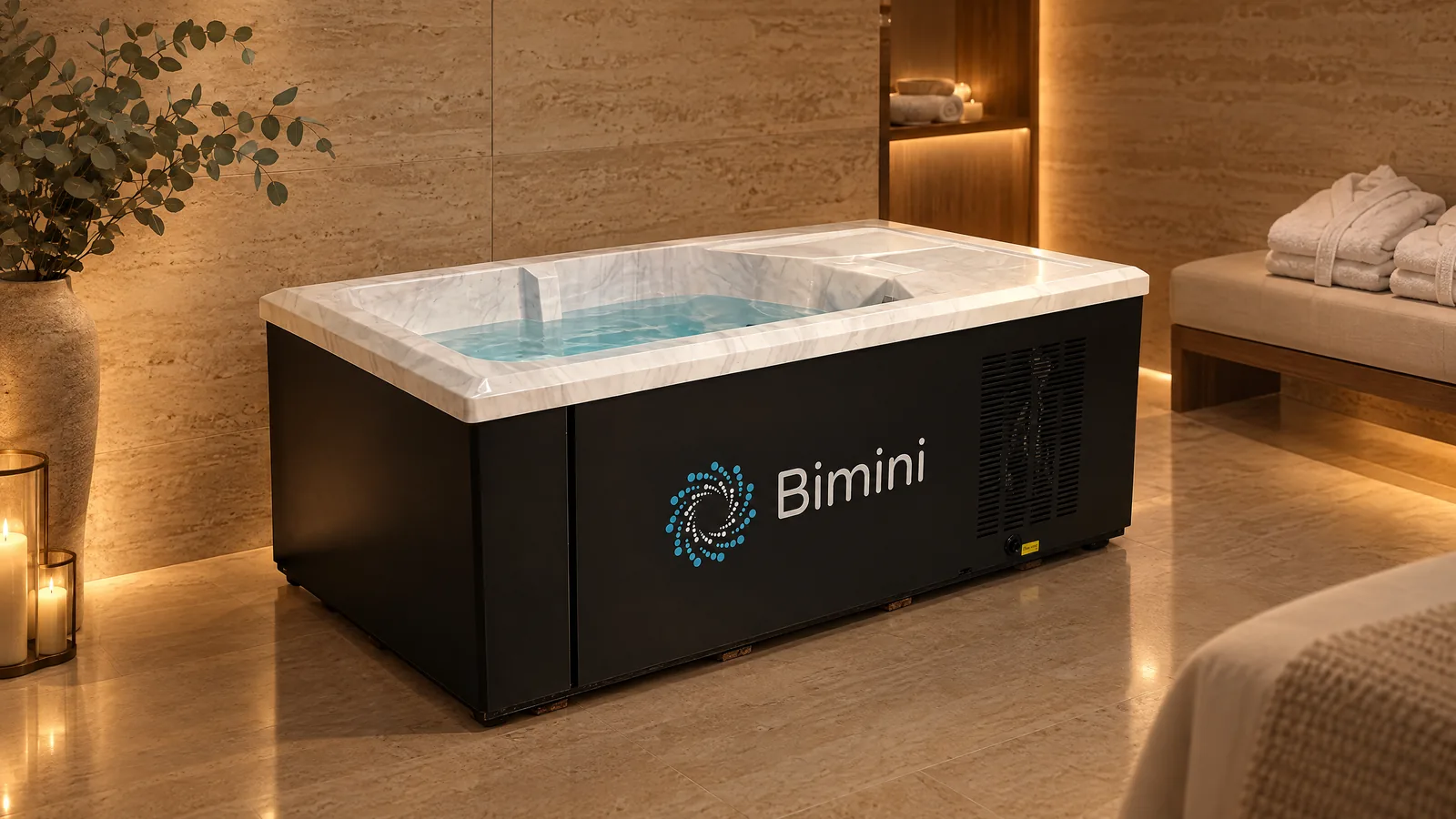
Bimini Integrated Recovery Tub in a wellness spa suite

Transdermal oxygen technology can be used as part of your overall wellness routine. Refer to the manufacturer's instructions for guidance on how to use this device as part of your personal routine.

Applications

Transdermal oxygen technology was originally developed for clinical use. The technology is now available in consumer-friendly systems for home use. Refer to your device's instructions for information about the specific areas and applications this device is designed for.

Why Athletes and Programs Are Adopting This Technology

Athletes and recovery programs have adopted transdermal oxygen delivery systems. The mechanism of oxygen delivery is transparent and the technology is measurable. Refer to the manufacturer's instructions and published specifications for information about this device's features and operation.

Recovery technology providers like biminihydrotherapy.com offer portable oxygen delivery systems for home and personal use. Refer to the manufacturer's instructions for guidance on how to use these devices.

Frequently Asked Questions

Is transdermal oxygen delivery the same as hyperbaric oxygen therapy?

No. Hyperbaric oxygen requires you to sit in a pressurized chamber while breathing oxygen through a mask. Transdermal delivery applies oxygen directly to tissue at normal atmospheric pressure. Hyperbaric systems require regular clinic visits and aren't portable. Transdermal systems are portable and deliver oxygen topically. They're fundamentally different approaches.

How quickly will I notice results from transdermal oxygen?

Results vary based on individual factors and the specific application. Refer to your device's instructions for information about expected timelines and usage recommendations.

Can I use transdermal oxygen daily, or is it only for specific applications?

Refer to your device's instructions for guidance on daily use and appropriate applications for your specific system.

Do I need special training to operate a transdermal oxygen system?

Modern systems are designed for consumer use. Refer to your device's instructions for setup and operation guidance. If you have questions about proper use, contact the manufacturer's customer support.

Free Guide

The Science of Transdermal Oxygen Therapy

Peer-reviewed research, clinical studies, and the mechanism behind nanobubble oxygen delivery.

Related Bimini systems

Keep reading

Jason Applewhite, Founder of Bimini Hydrotherapy

Jason Applewhite · Founder, Bimini Hydrotherapy

Jason Applewhite is the founder of Bimini Hydrotherapy, where he develops oxygen nanobubble recovery systems used in homes, gyms and training facilities. He works directly with the Rice University research behind the technology and with the athletes and facility owners who use it every day.

Bimini products are wellness devices. They are not medical devices and are not intended to diagnose, treat, cure or prevent any disease. Talk with your doctor about any health condition.

Transdermal Oxygen Delivery Technology: How It Works

Transdermal Oxygen Delivery Technology: How It Works
Share:

Transdermal oxygen delivery technology involves delivering concentrated oxygen directly into body tissues through the skin without needles or invasive procedures. The system generates oxygen on-demand through electrochemical water electrolysis, then delivers it continuously through flexible tubes to specialized dressings or application zones.

Here's what makes it different from other oxygen delivery approaches. The system generates pure oxygen on-demand through electrochemical water electrolysis, then delivers it continuously through flexible tubes to specialized dressings or application zones. Oxygen is absorbed through the skin barrier, which is why it's called "transdermal." The oxygen concentration can reach up to 98% humidified because it's extracted and purified from atmospheric air in real time.

Understanding how transdermal oxygen works will help you evaluate this technology for your needs. Let's walk through the mechanics.

How Transdermal Oxygen Delivery Actually Works

The whole system hinges on three core components working together: an oxygen generator, delivery tubes, and a specialized dressing or application interface.

The oxygen generator is the core of the system. It uses tape-based electrochemical technology to split water molecules into hydrogen and oxygen. These generators are portable and powered by rechargeable batteries. Atmospheric air enters the device, gets processed, and pure oxygen comes out the other end. This happens automatically and continuously.

The delivery pathway connects your generator to the target area. Flexible tubes carry the oxygen from the generator to wound dressings or topical application sites. Because the system runs continuously, you get uninterrupted oxygen flow around the clock.

The dressing or application zone is where oxygen is delivered. Specialized wound dressings are designed to maintain moisture while keeping the oxygen pure and concentrated. When oxygen reaches this moist wound bed or application site, it diffuses directly into the tissue. This is different from systemic oxygen delivery—oxygen goes directly to the application area rather than through circulation.

The oxygen-enriched microenvironment is created at the application site. Athletes and recovery professionals have adopted this technology because the mechanism is transparent and measurable.

Why Continuous Oxygen Delivery Matters

Cells require oxygen for their metabolic processes. When you deliver highly concentrated oxygen directly into tissue, you're providing oxygen availability at the application site.

Continuous delivery is a key feature of this technology. Many oxygen delivery systems rely on periodic treatments—you use them for 30 minutes or an hour, then stop. Transdermal systems operate continuously by running 24/7, which means oxygen is available consistently at the application area.

This is why biminihydrotherapy.com emphasizes continuous oxygen delivery in their systems. The portable, battery-powered design means you can keep oxygen flowing whether you're at home, training, or traveling. No clinical visits required.

biminihydrotherapy.com

The Role of Humidity and Oxygen Concentration

Humidity is an important factor in oxygen delivery systems. Transdermal systems deliver humidified oxygen—typically 98% O2 with moisture maintained. Moisture helps maintain the tissue environment at the application site.

The concentration level is a key specification. Standard air is about 21% oxygen. Transdermal systems concentrate oxygen up to 98% and apply it directly to tissue. This creates a higher oxygen concentration at the application area compared to what systemic delivery alone could provide.

Refer to your device's instructions for specific information about oxygen concentration and humidity levels.

Portability and Battery Power

transdermal oxygen delivery technology how it works

Modern electrochemical generators use rechargeable batteries, which means you can move around freely during use. This portability is a key feature of contemporary systems.

Related: Cold Water Immersion vs Oxygen Hydrotherapy: Which Works Best?

This flexibility allows you to use the device while at work, training, or home. The battery powers your generator continuously, and you can swap in a fresh battery when needed. No downtime, no clinic appointments required.

The portability also means you can use transdermal oxygen as part of your overall routine. Refer to the manufacturer's instructions for guidance on how to integrate this device into your personal use protocol.

What Happens at the Application Site

Once oxygen is delivered to tissue through the skin barrier, it enters the cells at the application area. Oxygen is used in cellular metabolic processes. This is especially relevant for tissue that receives direct oxygen delivery through this system.

The continuous availability of oxygen at the application site is the primary mechanism of this technology. Refer to your device's instructions and consult a qualified healthcare professional if you have questions about how this device may be suitable for your specific situation.

Comparing Continuous vs. Pressurized Delivery Systems

You may encounter two main approaches to transdermal oxygen: continuous delivery systems and pressurized systems. The difference matters depending on your use case.

Continuous delivery systems flow oxygen steadily at atmospheric pressure through flexible tubing into dressings or application zones. They're designed for extended use. Most portable systems use this approach.

Pressurized systems push oxygen under pressure into tissue. They typically require clinical supervision and aren't portable in the same way. If you're looking for a home-based solution, continuous systems are the practical choice.

When you're exploring options at biminihydrotherapy.com, you'll find systems built around continuous delivery. Refer to each manufacturer's instructions for specific guidance on which system is appropriate for your needs.

Integration With Your Routine

transdermal oxygen delivery technology how it works

Transdermal oxygen technology can be used as part of your overall wellness routine. Refer to the manufacturer's instructions for guidance on how to use this device as part of your personal routine.

Applications

Transdermal oxygen technology was originally developed for clinical use. The technology is now available in consumer-friendly systems for home use. Refer to your device's instructions for information about the specific areas and applications this device is designed for.

Why Athletes and Programs Are Adopting This Technology

Athletes and recovery programs have adopted transdermal oxygen delivery systems. The mechanism of oxygen delivery is transparent and the technology is measurable. Refer to the manufacturer's instructions and published specifications for information about this device's features and operation.

Recovery technology providers like biminihydrotherapy.com offer portable oxygen delivery systems for home and personal use. Refer to the manufacturer's instructions for guidance on how to use these devices.

Frequently Asked Questions

Is transdermal oxygen delivery the same as hyperbaric oxygen therapy?

No. Hyperbaric oxygen requires you to sit in a pressurized chamber while breathing oxygen through a mask. Transdermal delivery applies oxygen directly to tissue at normal atmospheric pressure. Hyperbaric systems require regular clinic visits and aren't portable. Transdermal systems are portable and deliver oxygen topically. They're fundamentally different approaches.

How quickly will I notice results from transdermal oxygen?

Results vary based on individual factors and the specific application. Refer to your device's instructions for information about expected timelines and usage recommendations.

Can I use transdermal oxygen daily, or is it only for specific applications?

Refer to your device's instructions for guidance on daily use and appropriate applications for your specific system.

Do I need special training to operate a transdermal oxygen system?

Modern systems are designed for consumer use. Refer to your device's instructions for setup and operation guidance. If you have questions about proper use, contact the manufacturer's customer support.