A hyperbaric chamber costs between $4,000 to $35,000 for home units and $75,000 to $300,000+ for clinical-grade systems, with ongoing expenses for maintenance, electricity ($50-200/month), and oxygen refills ($30-100/session). Individual hyperbaric oxygen therapy (HBOT) sessions at clinics range from $150 to $500 per treatment, with full treatment protocols requiring 20-40 sessions totaling $3,000 to $20,000. However, these costs often include hidden fees, limited effectiveness for some conditions, and may not provide the accessibility athletes and wellness enthusiasts need for consistent recovery protocols.
Understanding Hyperbaric Chamber Pricing in 2026
The hyperbaric oxygen therapy market has evolved significantly, with prices varying dramatically based on chamber type, pressure capabilities, and intended use. To make an informed decision about hyperbaric chamber investment, it's essential to understand the complete cost breakdown and what drives these price differences.
Home Hyperbaric Chamber Costs
Soft-shell portable hyperbaric chambers designed for home use typically range from $4,000 to $15,000. These mild hyperbaric chambers operate at lower pressures (1.3-1.5 ATA) and use ambient air with optional oxygen concentrators rather than pure oxygen. Mid-range home units from established manufacturers cost $12,000-$25,000 and offer improved durability and pressure ranges up to 2.0 ATA.
Hard-shell home hyperbaric chambers, which can achieve medical-grade pressures of 2.0-3.0 ATA with pure oxygen delivery, command premium prices of $25,000 to $35,000 for personal units. Installation may require structural modifications to accommodate the chamber's weight and dimensions, adding $2,000-$5,000 to total costs.
Clinical and Commercial Hyperbaric Systems
Clinical-grade multiplace chambers that accommodate multiple patients simultaneously represent the highest tier, ranging from $250,000 to over $1 million. These require dedicated facilities, specialized ventilation systems, fire suppression equipment, and trained operators. Monoplace clinical chambers for single-patient use cost $75,000-$300,000 depending on features and manufacturer.
According to the Undersea and Hyperbaric Medical Society, clinical facilities must budget an additional 15-25% of chamber purchase price annually for maintenance, certifications, and operational costs beyond the initial investment.
Hidden Costs of Hyperbaric Chamber Ownership
The sticker price of a hyperbaric chamber represents only the beginning of your financial commitment. Understanding these ongoing expenses is crucial for accurate budgeting and determining whether chamber ownership aligns with your long-term wellness or business goals.
Operational Expenses
Electricity consumption for hyperbaric chambers varies by size and usage frequency. Home units typically add $50-$100 monthly to utility bills with regular use, while clinical chambers can increase monthly electricity costs by $500-$2,000. Medical-grade oxygen costs $30-$100 per session when using pure oxygen protocols, with bulk oxygen tank delivery adding logistical complexity and storage requirements.
Oxygen concentrators, which many home users employ instead of medical oxygen, cost $800-$2,500 upfront and require filter replacements ($50-$150 annually). These devices have limited lifespans of 5-10 years with regular use, representing another replacement cost to anticipate.
Maintenance and Certification
Annual inspections and certifications are mandatory for clinical chambers and recommended for home units, costing $1,500-$5,000 per year. Soft-shell chambers require periodic replacement of zippers, seals, and bladders ($300-$800 every 2-3 years), while hard-shell chambers need acrylic viewport replacements ($1,000-$3,000) and pressure vessel certifications.
Insurance for home hyperbaric chambers adds $500-$1,500 annually to homeowner's policies, with commercial liability insurance for clinical operations ranging from $3,000-$10,000+ annually depending on patient volume and coverage limits.
Hyperbaric Oxygen Therapy Cost Per Session
For individuals not ready to invest in chamber ownership, per-session HBOT at clinics and wellness centers offers pay-as-you-go access. However, the cumulative costs can exceed chamber purchase prices when protocols require extensive treatment series.
Clinic and Medical Facility Pricing
Hospital-based hyperbaric medicine departments charge $300-$500 per session for medically prescribed HBOT. Insurance coverage varies significantly—Medicare covers HBOT for 14 FDA-approved conditions including diabetic wounds, carbon monoxide poisoning, and radiation tissue damage, but explicitly excludes athletic recovery, anti-aging, and general wellness applications.
Independent hyperbaric clinics offering wellness-focused treatments typically charge $150-$300 per session with package discounts. A common protocol of 20-40 sessions totals $3,000-$12,000, making cost per treatment a critical consideration for budget-conscious consumers.
Groupon Hyperbaric Chamber Deals: Worth It?
Discount platforms periodically feature hyperbaric chamber sessions at significantly reduced rates—often $50-$100 per session compared to regular $200-$300 pricing. While attractive for trying HBOT, several factors warrant consideration before purchasing these deals.
Groupon hyperbaric chamber promotions typically restrict usage to mild hyperbaric (1.3 ATA) chambers with limited oxygen concentration, offering less therapeutic benefit than medical-grade protocols. Session restrictions, expiration dates, and limited appointment availability can make scheduling difficult for optimal treatment protocols requiring consistent timing.
Additionally, facilities heavily relying on daily deal promotions may experience high patient turnover, reducing the personalized care and protocol optimization that enhances treatment outcomes. For serious therapeutic applications or athletic recovery programs requiring 2-3 weekly sessions over months, direct clinic pricing or chamber ownership becomes more cost-effective.
Cost-Effectiveness Analysis: Is Chamber Ownership Worth It?
Determining whether hyperbaric chamber purchase makes financial sense requires calculating your break-even point based on anticipated usage patterns and comparing lifetime costs against per-session alternatives.
Break-Even Calculations
For a $15,000 home chamber with $50 monthly operating costs, your effective per-session cost over 5 years depends on usage frequency:
- 2 sessions weekly (520 total): $40 per session including operational costs
- 3 sessions weekly (780 total): $27 per session
- 5 sessions weekly (1,300 total): $17 per session
Compared to $200 average clinic costs, break-even occurs after just 75-100 sessions (approximately 10-12 months of 2x weekly use). For athletes, families with multiple users, or individuals with chronic conditions requiring ongoing therapy, chamber ownership typically provides substantial cost savings within the first year.
Resale Value Considerations
Hyperbaric chambers retain moderate resale value when properly maintained. Soft-shell chambers typically resell for 30-50% of original price after 3-5 years, while hard-shell chambers may retain 40-60% of value due to longer functional lifespans. The used hyperbaric chamber market remains active, with facilities upgrading equipment and individuals selling after completing treatment protocols.
Hyperbaric Chamber Alternatives for Recovery and Wellness
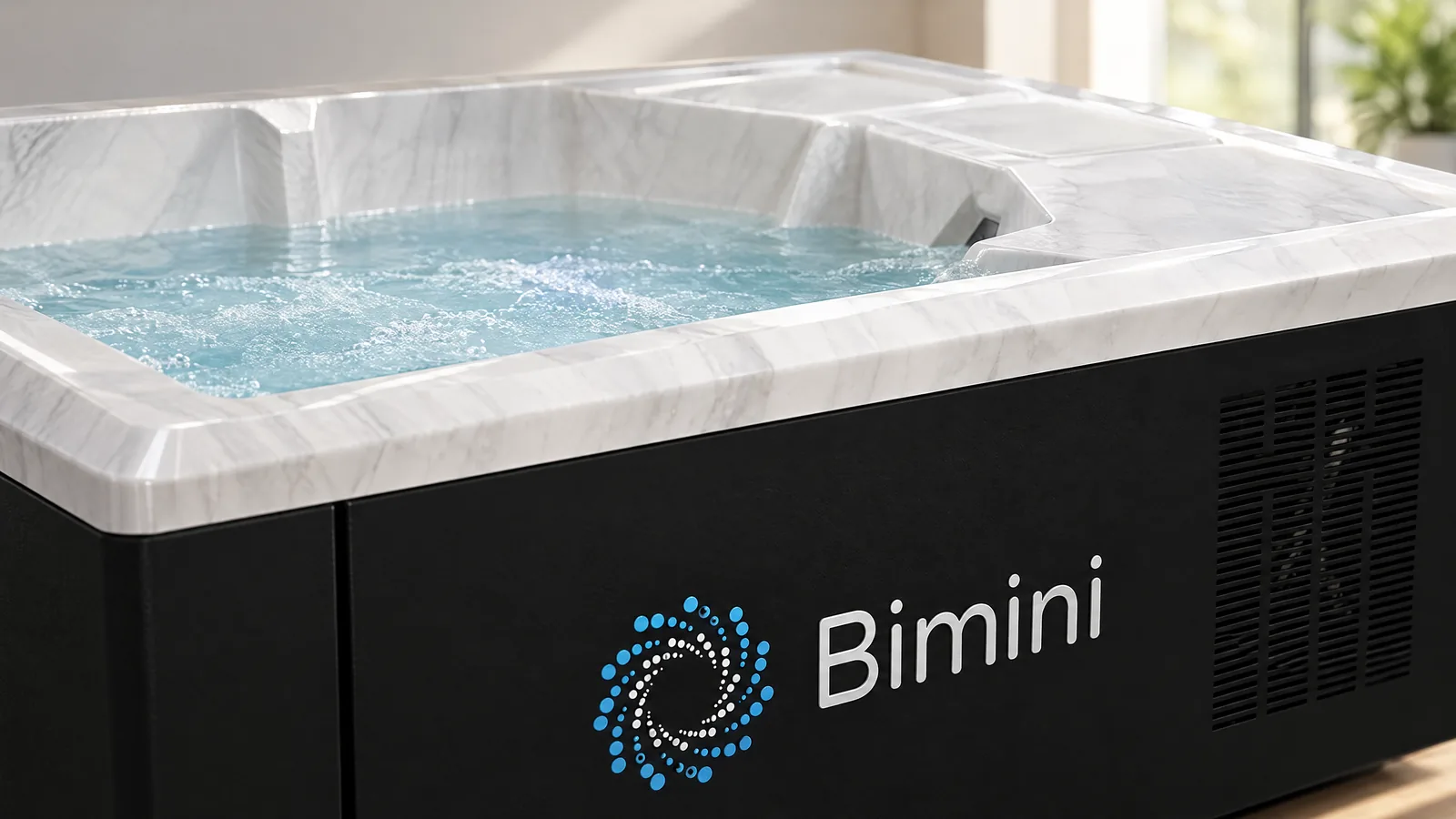
While hyperbaric chambers deliver pressurized oxygen therapy, emerging technologies offer complementary or alternative approaches to oxygen delivery, recovery enhancement, and cellular optimization—often at significantly lower costs with greater convenience.
Oxygen Nanobubble Hydrotherapy
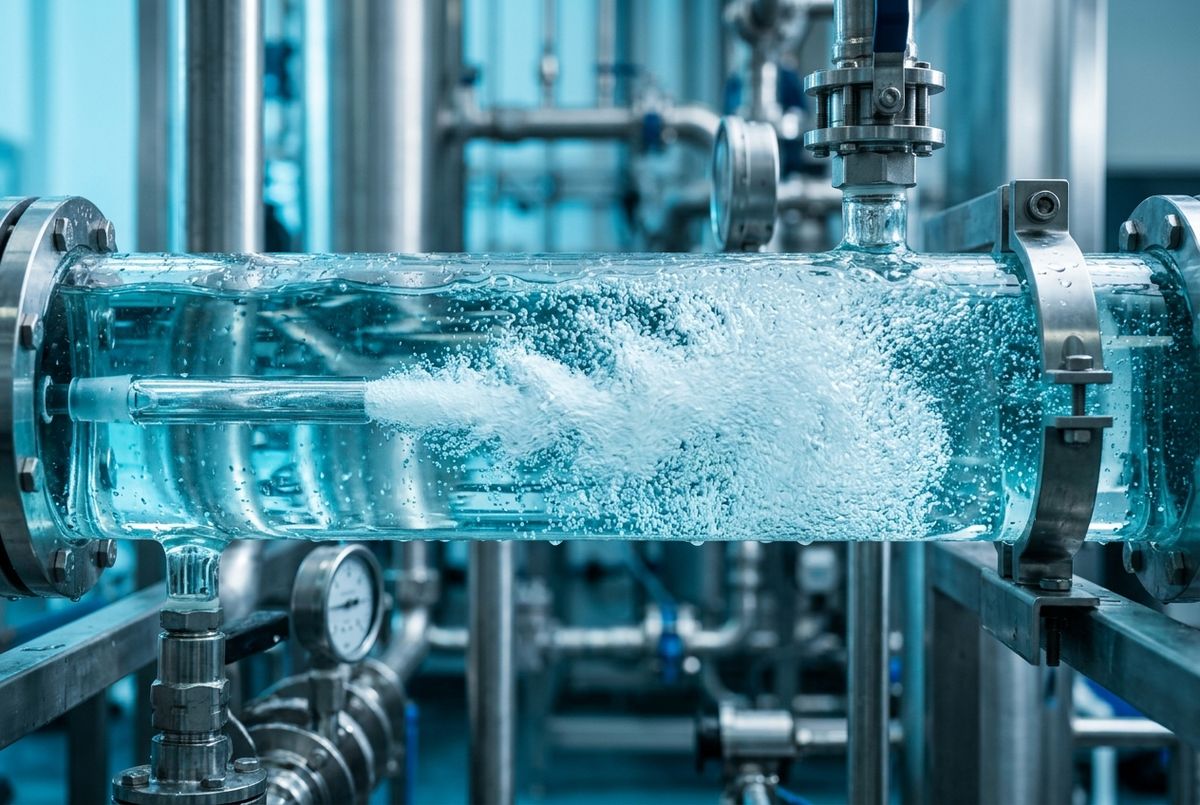
Nanobubble technology represents a innovative alternative to traditional hyperbaric therapy, delivering dissolved oxygen transdermally through immersion therapy. Unlike hyperbaric chambers that use pressure to increase oxygen in lungs and blood, oxygen nanobubbles are 0.01 microns in diameter—5,000 times smaller than skin pores—enabling direct absorption through the skin during bathing.
Research from Rice University demonstrated that athletes using oxygen nanobubble therapy experienced 46% faster post-exercise lactate clearance compared to control groups, indicating enhanced recovery at the cellular level. Over 100 professional athletes from the NFL and NBA currently use this technology as part of their recovery protocols.
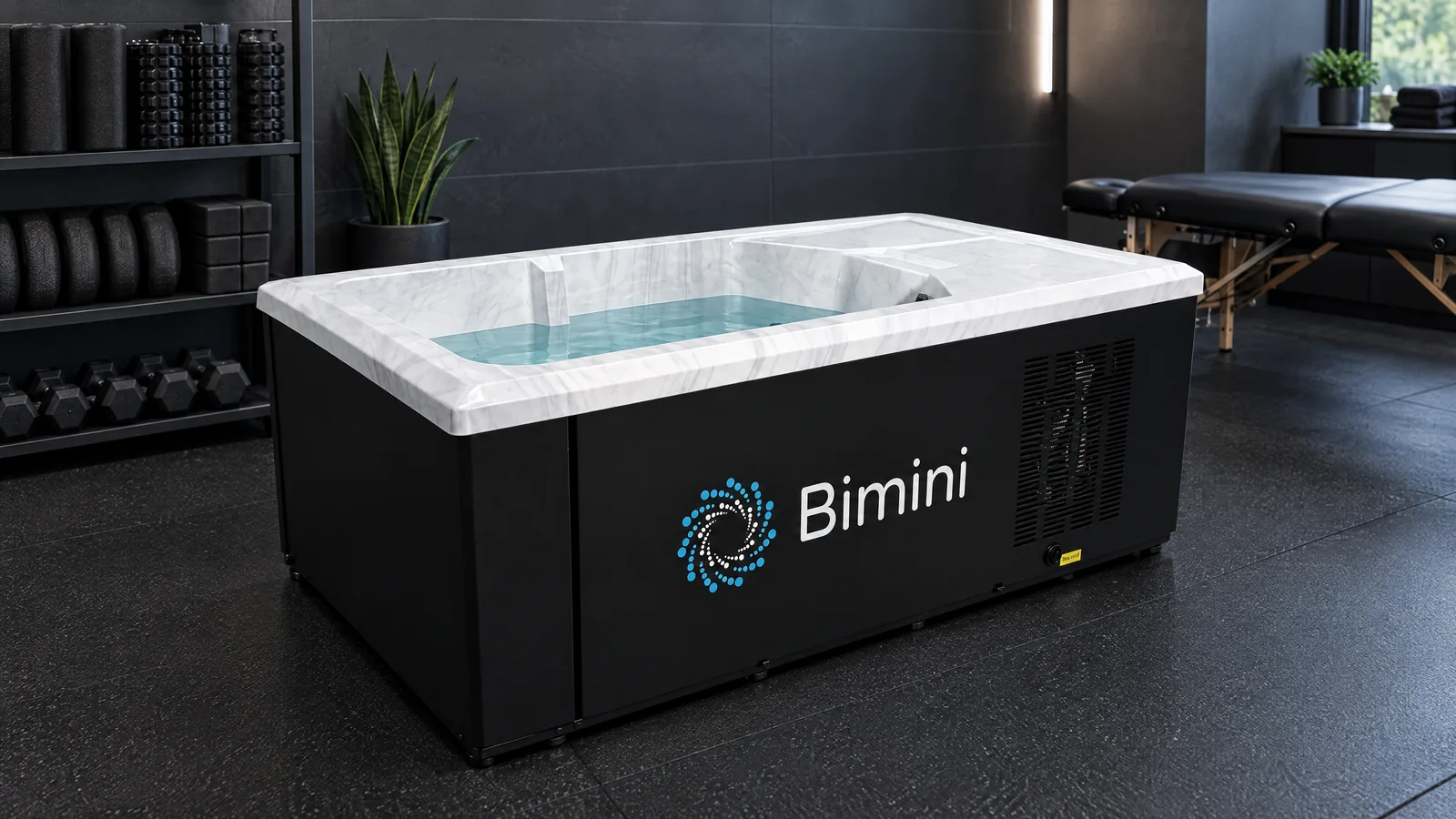
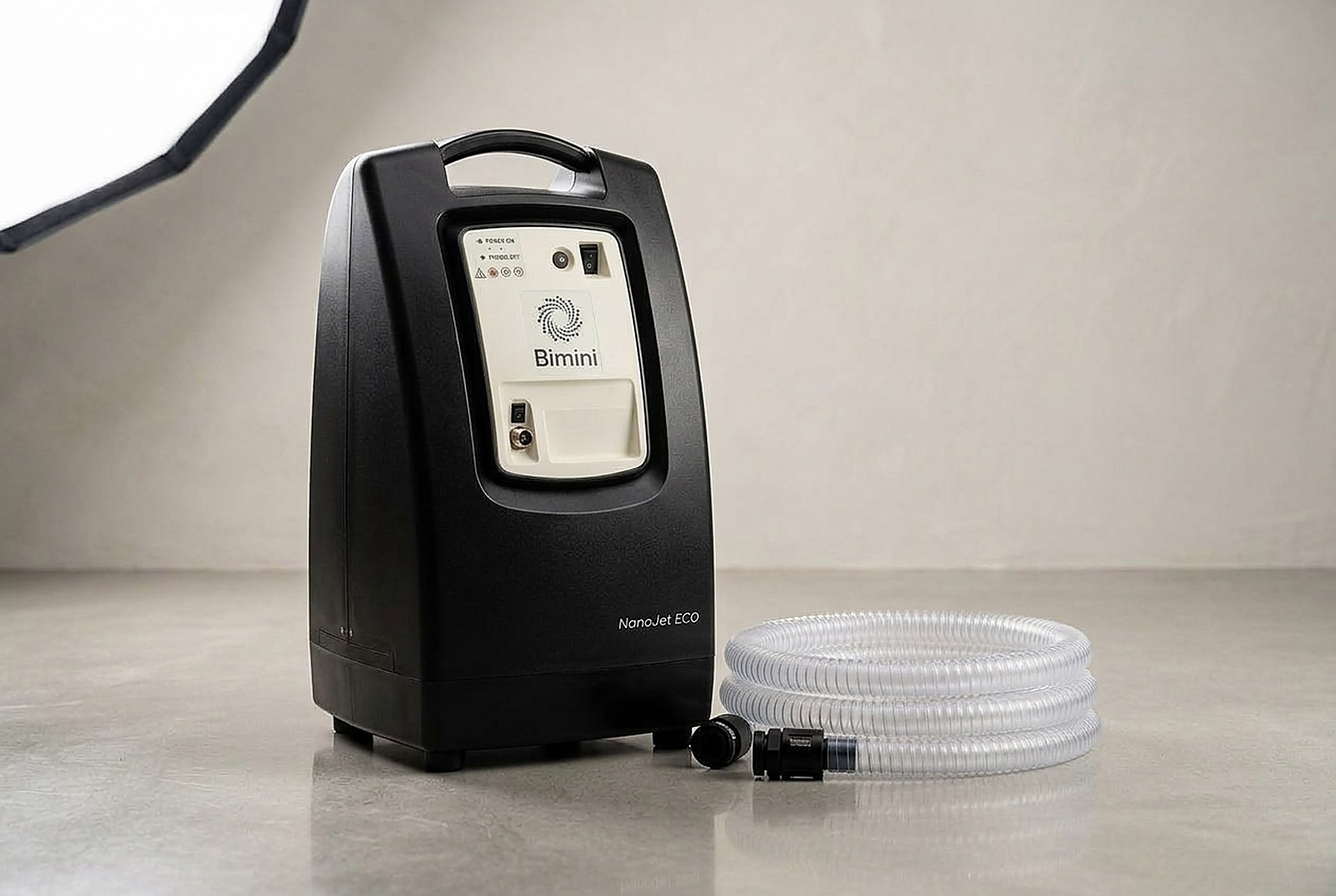
The Bimini NanoJet systems generate over 300 million nanobubbles per milliliter of water, creating an oxygen-rich environment that facilitates absorption during comfortable 20-30 minute sessions. The Bimini NanoJet Eco at $9,650 provides a home oxygen bath system that costs significantly less than hyperbaric chambers while offering daily accessibility for consistent recovery protocols.
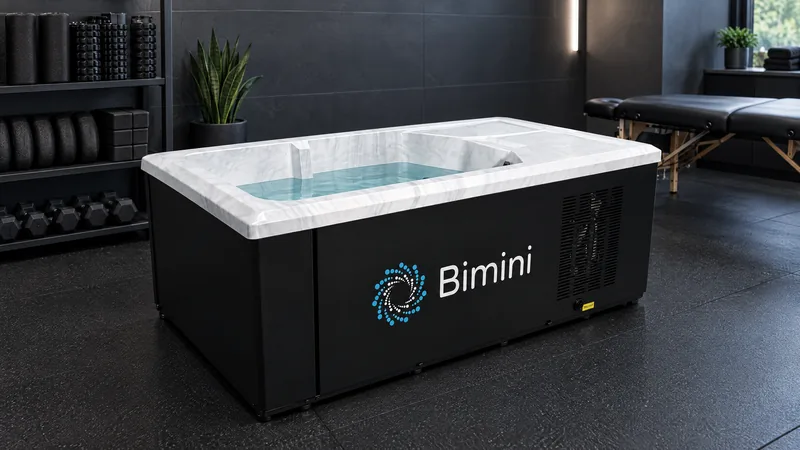
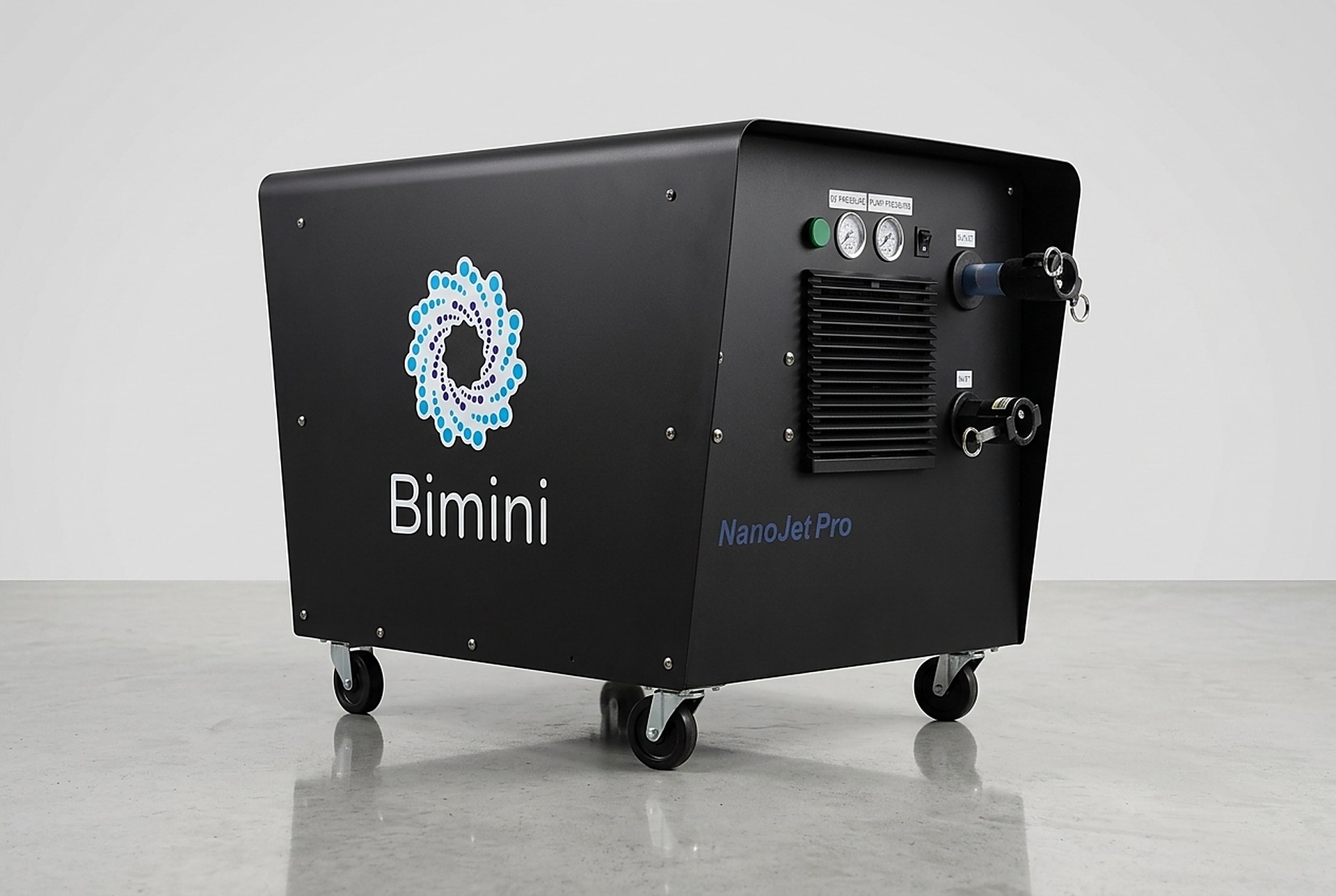
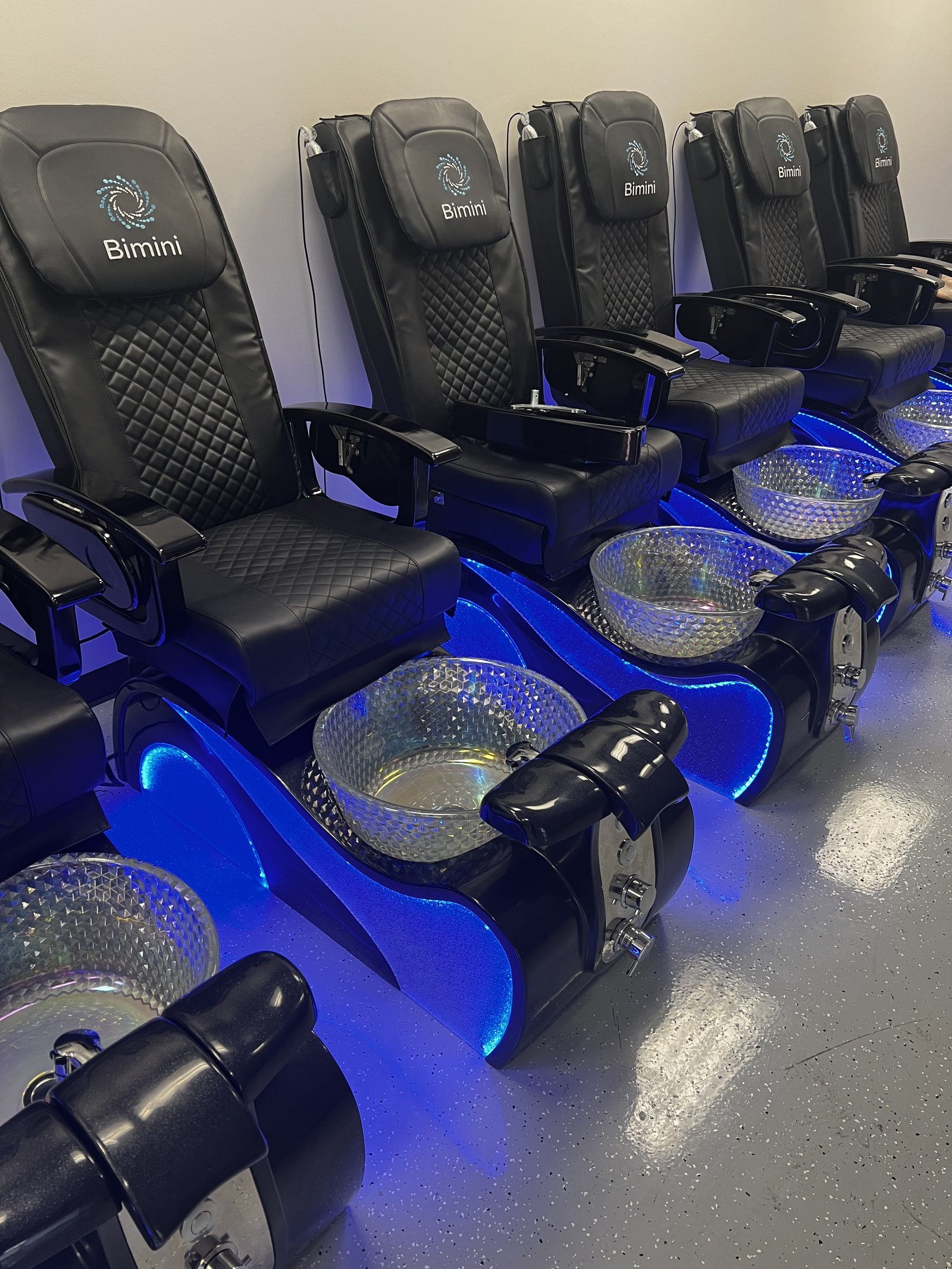
For facilities and professional teams, the Bimini NanoJet Pro ($18,500) delivers commercial-grade oxygen immersion therapy, while the Bimini HydroLounge ($42,000) provides premium full-body hydrotherapy for high-end spas and recovery centers. These systems eliminate the operational complexity, oxygen refill costs, and safety concerns associated with pressurized chambers.
Comparative Analysis: HBOT vs. Nanobubble Therapy
When evaluating recovery technologies, several factors beyond initial cost influence long-term value and treatment outcomes:
- Accessibility: Hyperbaric sessions require 60-90 minutes including pressurization/depressurization, while nanobubble therapy integrates into 30-60 minute bathing routines
- Safety profile: Hyperbaric therapy carries risks including ear barotrauma, oxygen toxicity, and fire hazards, whereas nanobubble therapy has no contraindications or pressure-related complications
- Operating costs: Hyperbaric chambers require oxygen refills, electricity for compressors, and maintenance certifications, while nanobubble systems use only standard oxygen (easily refillable) and normal water/electricity
- Multi-user capability: Chamber sessions accommodate one user at a time, while nanobubble systems support family members or multiple athletes throughout the day
The science behind nanobubble technology shows that transdermal oxygen delivery bypasses the respiratory system entirely, potentially offering advantages for individuals with lung conditions or those unable to tolerate pressurized environments. Learn more about the research supporting oxygen nanobubble therapy and its applications in athletic recovery and wellness.
Other Recovery Modalities
Cryotherapy chambers ($30,000-$50,000 commercial units) offer cold exposure therapy with session costs of $40-$80, providing complementary benefits to oxygen therapies through reduced inflammation and enhanced circulation. Infrared saunas ($2,000-$6,000 for home units) support detoxification and cardiovascular health at lower investment levels.
Normobaric oxygen therapy devices (simple oxygen delivery without pressurization) cost $500-$2,000 but provide minimal tissue oxygen increase compared to hyperbaric or transdermal delivery methods. Red light therapy panels ($200-$1,500) support cellular energy production and wound healing through different mechanisms than oxygen delivery.
Making the Right Investment Decision
Choosing between hyperbaric chamber purchase, per-session treatments, or alternative oxygen delivery systems requires careful consideration of your specific recovery goals, usage patterns, budget constraints, and lifestyle factors.
When Hyperbaric Chambers Make Sense
Chamber ownership suits individuals with medical conditions specifically proven responsive to HBOT (wound healing, radiation injury, decompression illness) who have secured insurance coverage or can justify the investment through documented medical necessity. Clinics and medical practices with patient populations requiring regular HBOT can build profitable service lines around chamber installations.
Athletes and teams committed to 5+ weekly sessions and willing to dedicate space and time to chamber protocols may find value in ownership, particularly when multiple team members share access to distribute costs.
When Alternatives Provide Better Value
For general wellness, athletic recovery, anti-aging, and non-medical applications where insurance won't cover costs, oxygen nanobubble therapy offers superior cost-effectiveness with comparable or enhanced recovery benefits. The convenience of integrating therapy into existing bathing routines eliminates the time barriers that reduce hyperbaric chamber utilization rates.
Families seeking wellness benefits for multiple members will find shared-access technologies more practical than single-user pressurized chambers. Home-based solutions like the Bimini NanoJet Eco integrate seamlessly into daily routines without requiring dedicated space or complex operational procedures.
Professional athletes can explore facilities offering nanobubble therapy to experience the technology before home investment, while teams can schedule consultations to evaluate commercial systems for training facilities.
Conclusion: Beyond Price to Value and Outcomes
While hyperbaric chamber costs range from $4,000 to $300,000+ depending on type and application, the total investment includes substantial ongoing expenses for oxygen, electricity, maintenance, and certifications that often double the effective lifetime cost. Per-session treatments at $150-$500 each become prohibitively expensive for protocols requiring 20-40+ sessions, making neither option ideal for many athletes and wellness enthusiasts.
The evolution of oxygen delivery technology has introduced alternatives that provide comparable or superior benefits at lower costs with greater accessibility. Oxygen nanobubble hydrotherapy, used by over 100 professional athletes, delivers scientifically proven recovery enhancement through transdermal absorption during comfortable bathing sessions—eliminating pressure-related risks and operational complexity.
Before committing to hyperbaric chamber investment, evaluate your specific recovery goals, usage patterns, and whether alternative technologies might better serve your needs. Visit athlete testimonials to see how professionals across NFL and NBA teams integrate oxygen nanobubble therapy into their recovery protocols, or explore the complete range of Bimini NanoJet systems designed for home and commercial applications.
Ready to explore oxygen therapy options for your recovery needs? Schedule a consultation to discuss which technology best fits your goals, budget, and lifestyle—whether traditional hyperbaric therapy or innovative nanobubble alternatives.
The Science of Transdermal Oxygen Therapy
Peer-reviewed research, clinical studies, and the mechanism behind nanobubble oxygen delivery.
Frequently Asked Questions
How much does a hyperbaric chamber cost for home use?
What is the cost per session for hyperbaric oxygen therapy?
Are Groupon hyperbaric chamber deals worth buying?
What are the hidden costs of owning a hyperbaric chamber?
When does hyperbaric chamber ownership break even compared to per-session costs?
What are effective alternatives to hyperbaric chambers for recovery?
Experience Oxygen Therapy
Discover how Bimini’s nanobubble technology can transform your recovery and wellness routine.
Related Bimini systems
Keep reading

Jason Applewhite · Founder, Bimini Hydrotherapy
Jason Applewhite is the founder of Bimini Hydrotherapy, where he develops oxygen nanobubble recovery systems used in homes, gyms and training facilities. He works directly with the Rice University research behind the technology and with the athletes and facility owners who use it every day.
Bimini products are wellness devices. They are not medical devices and are not intended to diagnose, treat, cure or prevent any disease. Talk with your doctor about any health condition.