How Oxygen Gets
Through Your Skin
Nanobubbles 2,500 times smaller than your pores. NIRS-measured tissue oxygenation from 50% to 90%+ in under 20 minutes. This is the science of transdermal oxygen delivery.
Your skin is not the impermeable barrier you were taught in biology class. It's a selective membrane — and when oxygen is delivered at the right size, concentration, and pressure, it passes through.
This isn't theoretical. Near-Infrared Spectroscopy (NIRS) measurements taken during Bimini NanoJet sessions show tissue oxygen saturation increasing from resting ~50% to 90%+ within 15–20 minutes of immersion. The question isn't whether oxygen benefits the skin and underlying tissue — it's understanding how it gets there.
The Size That Makes It Possible
Everything about transdermal oxygen delivery comes down to one number: 0.01 microns.
Bimini nanobubbles are 2,500–10,000× smaller than skin pores — small enough for passive transdermal delivery
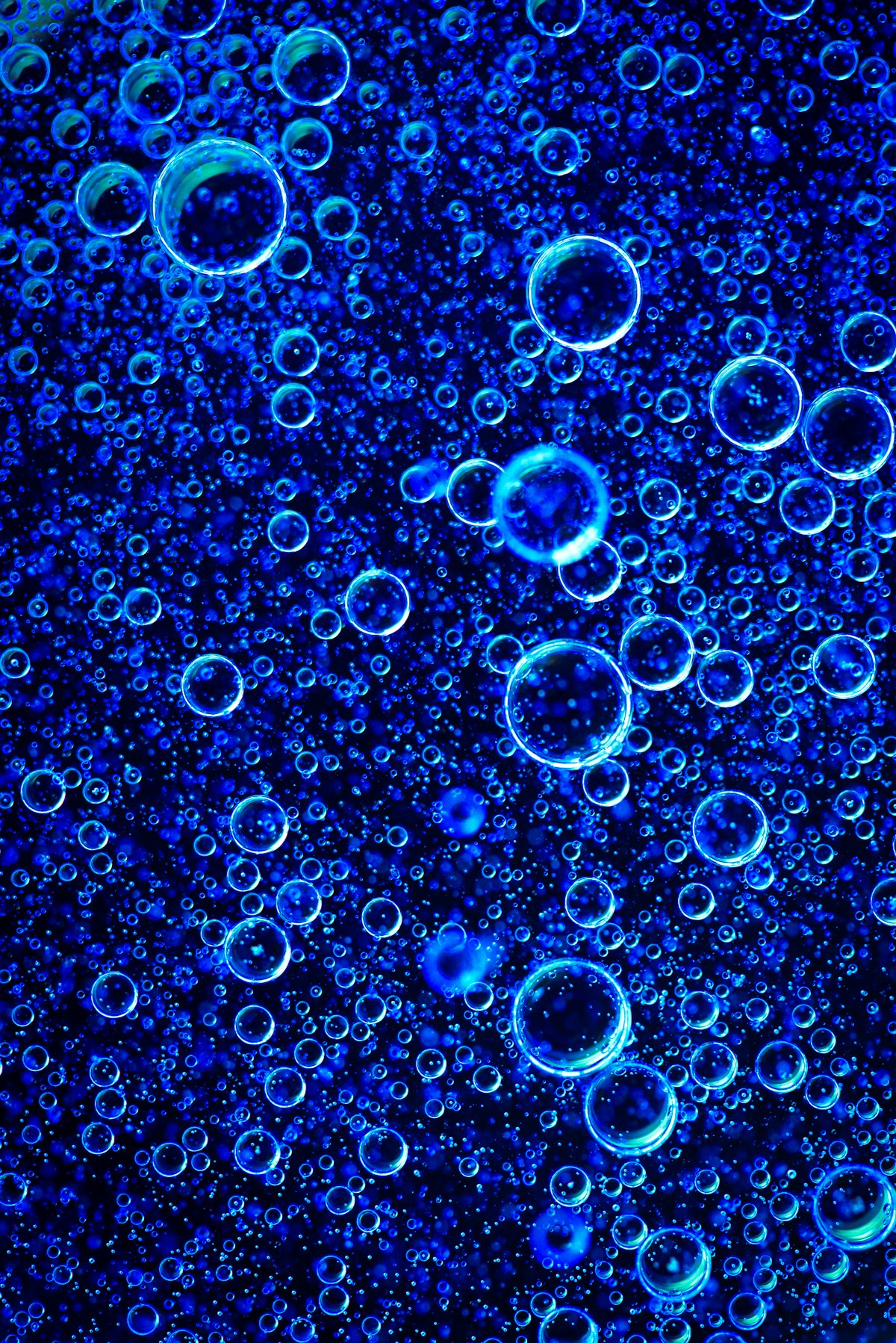
Extreme underwater close-up: Oxygen nanobubbles at therapeutic concentration
The 5-Step Delivery Pathway
From generation to cellular action — how oxygen nanobubbles travel from water through skin into tissue.
Creating Sub-Micron Oxygen Nanobubbles
The patented NanoJet device circulates existing bath water through a proprietary oxygen infusion process, shattering standard oxygen into nanobubbles measuring 0.005–0.02 microns (5–20 nanometers). For context, the average human skin pore is 50 microns wide — making these bubbles approximately 2,500–10,000 times smaller than the openings in your skin.
Stable Therapeutic Concentration
Unlike macrobubbles that rise and burst within seconds, nanobubbles remain suspended in water for extended periods due to their unique surface tension and negative zeta potential. The water maintains dissolved oxygen concentration at approximately 28 parts per million (ppm) — dramatically higher than the ~8 ppm found in standard tap water.
Osmotic Transdermal Delivery
When you immerse in oxygen-saturated water, osmotic pressure drives nanobubbles through the stratum corneum (skin's outer barrier) and into the dermis. The sub-micron size means they pass through pores, hair follicles, and even between corneocytes without mechanical force. This is passive, pain-free transdermal delivery — the same principle used in pharmaceutical patch technology, but with oxygen.
From Dermis to Deep Tissue
Once past the skin barrier, oxygen diffuses through the dermal layer into subcutaneous tissue, muscle fibers, and surrounding capillary beds. NIRS (Near-Infrared Spectroscopy) measurements show that local tissue oxygen saturation can increase from baseline ~50% to 90%+ within 15–20 minutes of immersion — a level that inhalation alone cannot achieve in peripheral tissue.
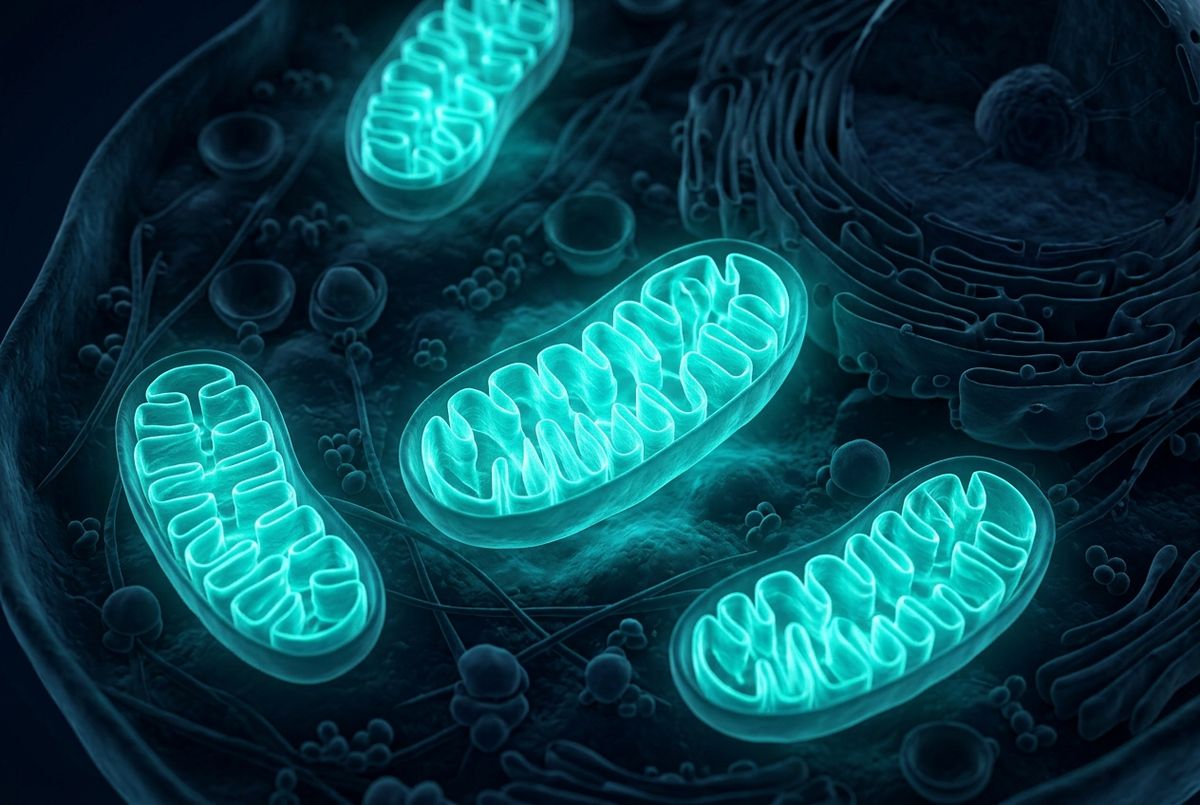
Oxygen at the Mitochondrial Level
Elevated tissue oxygen accelerates mitochondrial ATP production, supports collagen synthesis via proline hydroxylase activation, inhibits anaerobic inflammatory pathways, and creates conditions for enhanced stem cell activity. The result: faster tissue repair, reduced inflammation, improved skin health, and measurable recovery benefits documented in clinical research.
Journey Through Skin Layers
Stratum Corneum
10–15 μmBarrier layer — nanobubbles pass through pore openings and intercellular spaces
Epidermis
50–100 μmLiving skin cells begin absorbing oxygen; cellular turnover accelerates
Dermis
1–2 mmFibroblasts, collagen, elastin, blood vessels — primary oxygen target zone
Subcutaneous Tissue
2+ mmFat, connective tissue, muscle — oxygen diffuses via concentration gradient
Extreme macro: Nanobubbles at the molecular level — the particles that penetrate your skin
The Clinical Evidence
Real-Time Tissue Oxygenation
Near-Infrared Spectroscopy measurements during Bimini NanoJet sessions show tissue oxygen saturation rising from resting ~50% to 90%+ within 15–20 minutes — direct evidence that transdermal oxygen delivery works and delivers clinically significant increases.
Recovery Performance
Controlled research on exercise-induced muscle damage showed subjects using Bimini's system had 46% improved recovery markers compared to controls — including reduced DOMS and faster return to force production, confirming that transdermal oxygen reaches and benefits deep tissue.
Skin Permeability
Peer-reviewed studies on nanoparticle skin permeation confirm that particles below 0.1 microns readily cross the stratum corneum via intercellular lipid pathways and follicular routes. Bimini's 0.01-micron nanobubbles are well within this proven penetration range.
Soft Tissue Healing
Clinical research documenting improved healing timelines in soft tissue and skeletal injury rehabilitation — outcomes that require oxygen delivery to deep tissue layers, not just surface-level application.
Transdermal vs. Traditional Oxygen Delivery
| Method | Pathway | Limitation | Tissue Reach |
|---|---|---|---|
| Breathing / Inhalation | Lungs → Blood → Tissue | Limited by hemoglobin saturation ceiling (~98%). Cannot increase oxygen in poorly perfused tissue. | Systemic (blood-dependent) |
| HBOT (Hyperbaric) | Lungs → Pressurized blood → Tissue | Effective but requires sealed chamber, 60-90min, clinical setting. Expensive per session. | Systemic + dissolved plasma |
| Topical O₂ Products | Surface application only | Cannot penetrate past stratum corneum. No deep tissue benefit. | Epidermis surface only |
| Bimini NanoJet | Skin → Dermis → Tissue → Muscle | Home or facility use. 30–60 min sessions. Warm water comfort. | Direct tissue delivery |
Molecular visualization: Oxygen-water interaction at the nanoscale
Visualization: Oxygen nanobubble distribution and skin absorption
Continue Your Research
Oxygen Therapy for Anti-Aging
How oxygen reverses aging at the cellular level: telomeres, collagen, mitochondria
Read article →Oxygen Nanobubble Recovery Science
Clinical evidence and real athlete recovery stories
Read article →Cold Plunge vs Warm Oxygen Therapy
Why warm oxygen therapy outperforms cold immersion for tissue repair
Read article →Soft Tissue Injury Recovery
46% faster healing with oxygen therapy — clinical evidence
Read article →Frequently Asked Questions
Yes — and this is well-established in dermatological science. The skin is not an impermeable barrier. Molecules below ~500 Daltons readily cross the stratum corneum (oxygen is 32 Daltons). Nanoparticles below 0.1 microns penetrate via intercellular lipid channels and follicular pathways. Bimini's nanobubbles at 0.01 microns are 5–10× smaller than the proven penetration threshold, and NIRS measurements confirm tissue oxygenation increases from 50% to 90%+ during immersion.
Standard tap water contains approximately 8 ppm dissolved oxygen. Bimini NanoJet water maintains approximately 28 ppm — over 3× the concentration. More importantly, the oxygen is delivered as nanobubbles (0.01 microns) that remain suspended and can penetrate skin pores, versus dissolved gas that largely stays in the water or escapes into the air.
While the skin absorbs far less oxygen than the lungs (estimated 1–2% of total oxygen uptake under normal conditions), this changes significantly for local tissue health. The outermost layers of skin rely partly on atmospheric and topical oxygen, not just blood supply. More importantly, transdermal delivery at therapeutic concentrations (like Bimini's 28 ppm) can oxygenate the dermis and underlying tissue in ways that breathing cannot — particularly in areas with compromised circulation from injury, inflammation, or aging.
Multiple peer-reviewed studies on nanoparticle transdermal delivery confirm that particles below 100nm (0.1 microns) penetrate the stratum corneum through intercellular lipid pathways, follicular routes, and aqueous pore channels. Bimini's nanobubbles at 10nm (0.01 microns) are well within this proven penetration range. The added mechanism of osmotic pressure during water immersion further facilitates delivery.
NIRS measurements during Bimini sessions show tissue oxygen saturation begins rising within 5–8 minutes of immersion, reaching peak levels (90%+ from baseline ~50%) at approximately 15–20 minutes. The elevated oxygenation persists for 1–4 hours after the session ends, depending on tissue type and individual physiology.
Yes. The delivery mechanism is entirely passive — osmotic pressure and nanobubble size do the work, with no mechanical force, UV exposure, or chemical penetration enhancers. The warm water (78–100°F) is gentle on all skin types. Clinical observation over six months showed zero adverse skin events. Many users report improved skin condition as a secondary benefit.
Experience Transdermal Oxygen Delivery
Whether you're a performance athlete, a facility owner, or focused on anti-aging — Bimini's patented NanoJet technology delivers oxygen where it matters most: directly into your tissue.
Get Your Free Recovery Guide
Join 1,000+ athletes optimizing their recovery protocols
Content produced in partnership with Digital Media Ninja (DMN) & NinjAthlete · Dallas, TX
Clinical data referenced from Rice University, Methodist Hospital, and peer-reviewed dermatology and oxygen therapy literature. Individual results vary.