The Cellular Science of
Oxygen & Anti-Aging
Aging isn't just skin deep — it starts at the cellular level. Declining oxygen availability drives collagen breakdown, telomere shortening, and mitochondrial dysfunction. Here's the science of reversing it.
Every visible sign of aging — wrinkles, loss of elasticity, slower healing, fatigue — traces back to a cellular origin story. And at the center of that story is oxygen.
After age 30, tissue oxygenation declines by approximately 1–2% per decade. By 60, cellular oxygen availability may be 15–20% lower than in your 20s. This isn't just a number — it's the root cause of hypoxia-driven aging: slowed collagen synthesis, accumulated mitochondrial damage, shortened telomeres, and chronic low-grade inflammation.
The question is no longer whether oxygen affects aging — the clinical evidence is overwhelming. The question is: what's the most effective way to restore cellular oxygen levels?
Molecular visualization: How oxygen nanobubbles interact with water at the cellular level
How Oxygen Reverses Aging at the Cellular Level
Four interconnected pathways explain why oxygen is the master switch for anti-aging.
Oxygen-Driven Collagen Production
Fibroblasts — the cells responsible for producing collagen and elastin — require molecular oxygen at every step of the synthesis pathway. Proline hydroxylase, the enzyme that stabilizes the collagen triple helix, is oxygen-dependent. Without adequate cellular oxygen, collagen production slows and existing structures degrade faster than they are replaced.
Reversing the Cellular Clock
Landmark research from Tel Aviv University demonstrated that hyperbaric oxygen therapy extended telomere length by 20–38% while reducing senescent cells by 37%. Bimini's transdermal delivery shares the core mechanism — elevated cellular oxygen — suggesting comparable pathways for longevity biomarker improvement.
Powering Cellular Energy
Mitochondria are the engines of cellular repair and regeneration. As we age, mitochondrial efficiency declines, producing more reactive oxygen species (ROS) and less ATP. Elevated cellular oxygen supports the electron transport chain, restoring ATP production and reducing oxidative stress — the biochemical foundation of aging.
Quieting Chronic Inflammation
Chronic low-grade inflammation ("inflammaging") is now recognized as a primary driver of age-related decline. Oxygen-rich environments inhibit anaerobic inflammatory pathways, reduce NF-κB signaling, and support the resolution phase of inflammation — allowing tissues to repair rather than accumulate damage.
Visualization: How oxygen nanobubble distribution supports cellular regeneration
The Clinical Evidence
Telomere Extension
The landmark HBOT aging study demonstrated measurable increases in telomere length and a 37% reduction in senescent cells. This is the first evidence that aging can be reversed at the cellular level through oxygen therapy.
Recovery & Tissue Repair
Subjects using Bimini NanoJet showed 46% improved recovery markers including reduced DOMS and faster return to force production — evidence that cellular oxygenation directly supports tissue repair processes essential to anti-aging.
Collagen & Skin Health
Peer-reviewed research confirms that oxygen availability is rate-limiting for proline hydroxylase activity — the enzyme critical for stable collagen formation. Increasing tissue oxygen directly supports collagen production quality.
Soft Tissue Regeneration
Clinical research documenting improved healing timelines and reduced inflammatory markers supports the anti-aging application — the same regenerative mechanisms that heal injuries also counteract age-related tissue degradation.
6 Anti-Aging Benefits of Oxygen Therapy
From visible skin improvements to deep cellular rejuvenation — here's what the science supports.
Skin Elasticity & Firmness
Enhanced collagen and elastin synthesis restores skin structure. Clinical studies show measurable improvements in skin elasticity within 4–6 weeks of consistent oxygen therapy.
Fine Line & Wrinkle Reduction
Improved dermal oxygenation supports cellular turnover and collagen density, reducing the depth and visibility of fine lines — particularly around the eyes, forehead, and mouth.
Cellular Regeneration
Elevated oxygen accelerates stem cell activity and tissue regeneration. HBOT studies show up to 8× increase in circulating stem cells — a mechanism shared by transdermal oxygen delivery.
Telomere Protection
Research demonstrates that oxygen therapy can extend telomere length — the biological "caps" on chromosomes that shorten with age. Longer telomeres correlate with biological youth and reduced disease risk.
Reduced Inflammation
Chronic inflammation accelerates every aging process. Transdermal oxygen delivery reduces systemic inflammatory markers, supporting the body's natural anti-inflammatory pathways.
Improved Sleep Quality
Users consistently report deeper, more restorative sleep after oxygen therapy sessions. Quality sleep is the single most important factor in cellular repair, hormone regulation, and anti-aging.
How Oxygen Delivery Methods Compare
| Modality | Mechanism | Comfort | Session | Evidence |
|---|---|---|---|---|
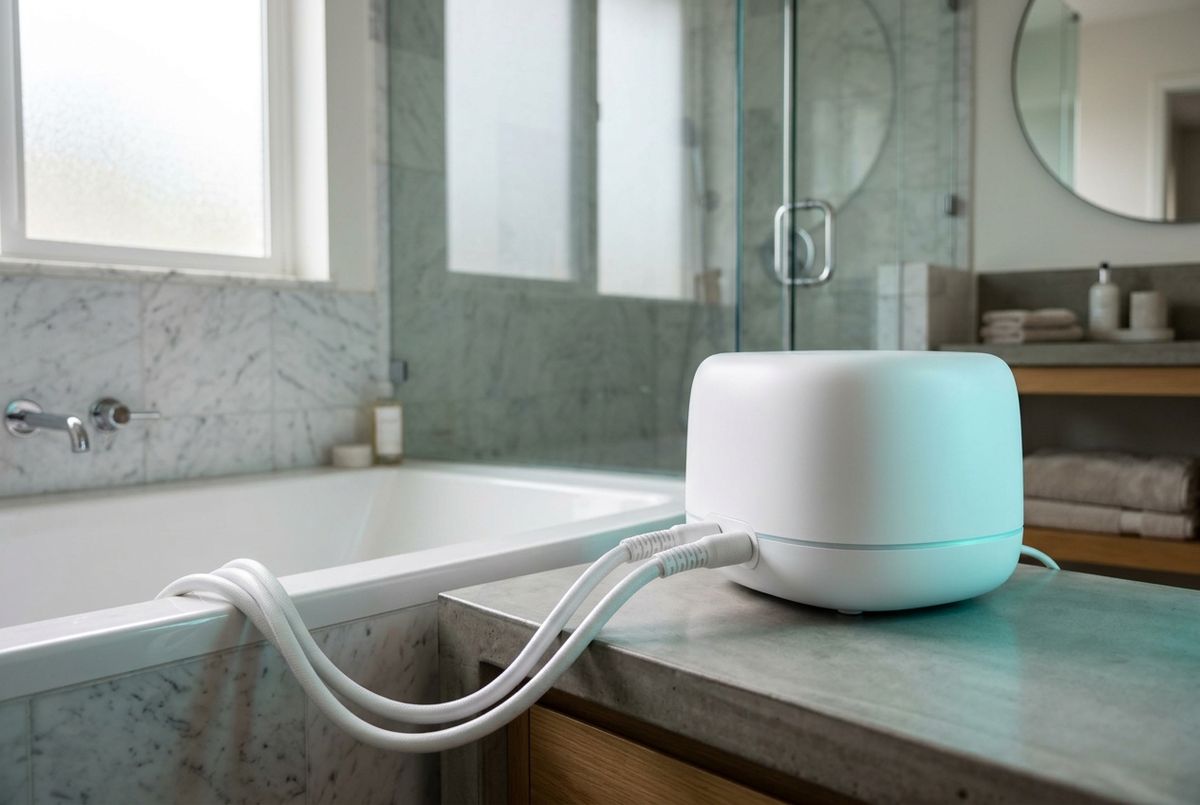
| Bimini NanoJet | Transdermal nanobubble O₂ | Warm water soak (78–100°F) | 30–45 min | Rice Univ, Methodist |
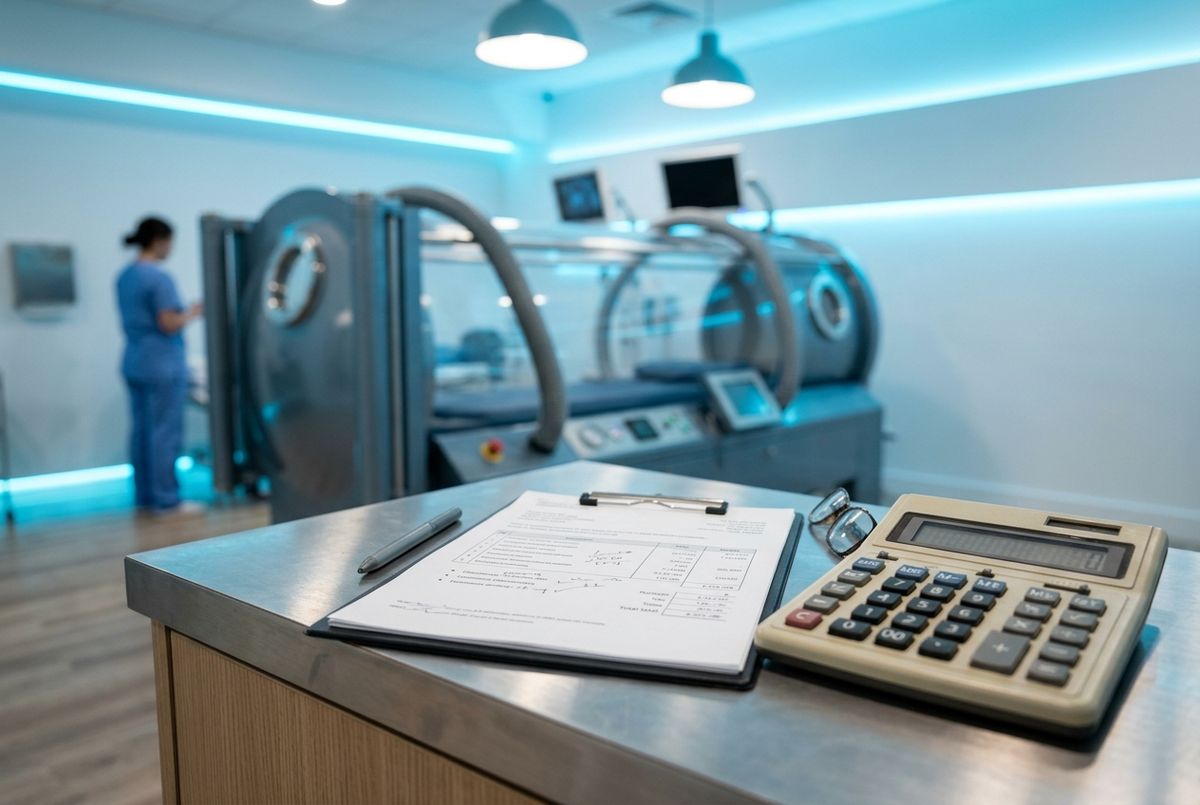
| HBOT | Pressurized inhaled O₂ | Enclosed chamber | 60–90 min | Tel Aviv Univ, extensive |
| Topical Oxygen | Surface application | Applied creams/masks | Varies | Limited clinical data |
| IV Ozone | Blood ozonation | IV needle required | 30–45 min | Mixed evidence base |
Extreme macro: Oxygen nanobubbles at the molecular level — 2,500× smaller than skin pores
Continue Your Research
How Nanobubbles Penetrate Your Skin
The transdermal science behind how oxygen reaches cells through skin
Read article →Hypoxia & Aging: Why Oxygen Declines
Understanding the silent oxygen decline that drives aging
Read article →Oxygen Nanobubble Recovery Science
From Rice University research to NFL locker rooms
Read article →Recovery Modality Showdown
NanoJet vs Cold Plunge vs HBOT vs Red Light — evidence-based comparison
Read article →Frequently Asked Questions
Yes, at the cellular level. The 2020 Tel Aviv University study demonstrated that oxygen therapy extended telomere length by 20–38% and reduced senescent (aging) cells by 37%. While no therapy reverses visible aging overnight, consistent oxygen therapy addresses the root cellular mechanisms — collagen synthesis, mitochondrial function, inflammation, and telomere maintenance — that drive the aging process.
Topical products work on the skin's surface layers. Bimini's nanobubbles (0.01 microns — 2,500× smaller than pores) deliver oxygen directly into the dermis and underlying tissue, reaching fibroblasts and mitochondria that topicals cannot access. The approach addresses aging from the cellular level up, rather than the surface down. Many users report that Bimini enhances the effectiveness of their existing skincare routine.
Most users report improved skin tone, energy levels, and sleep quality within 1–3 weeks of consistent use (2–3 sessions per week). Measurable changes in skin elasticity and fine line reduction typically become noticeable at the 4–6 week mark. Deeper cellular benefits like telomere maintenance develop over 3–6 months of regular protocols.
Yes. Research published through the National Library of Medicine established that the body tolerates 100% oxygen for 24–48 hours without tissue damage. Bimini's protocol (28 ppm dissolved oxygen, sub-60-minute sessions) is well within established safety parameters with zero adverse events in clinical observation. The warm water delivery is particularly gentle for mature or sensitive skin.
The recommended anti-aging protocol is 2–4 sessions per week, 30–45 minutes per session, at 85–100°F water temperature. Consistency matters more than session length. Many users incorporate their Bimini session into an evening wellness routine — the improved sleep quality compounds the anti-aging benefits.
Absolutely. Bimini's transdermal oxygen delivery is complementary to virtually every other anti-aging approach. Enhanced cellular oxygenation can improve the effectiveness of retinoids, peptide serums, and collagen supplements by supporting the cellular machinery they target. Some facilities pair Bimini with red light therapy and IV nutrient protocols for a comprehensive longevity stack.
Start Your Anti-Aging Protocol
Whether you're focused on visible skin rejuvenation, cellular longevity, or both — Bimini's oxygen nanobubble therapy addresses aging at its source.
Get Your Free Recovery Guide
Join 1,000+ athletes optimizing their recovery protocols
Content produced in partnership with Digital Media Ninja (DMN) & NinjAthlete · Dallas, TX
Clinical data referenced from Tel Aviv University, Rice University, Methodist Hospital, and peer-reviewed oxygen therapy literature. Individual results vary.
Explore More
Related pages you might find useful