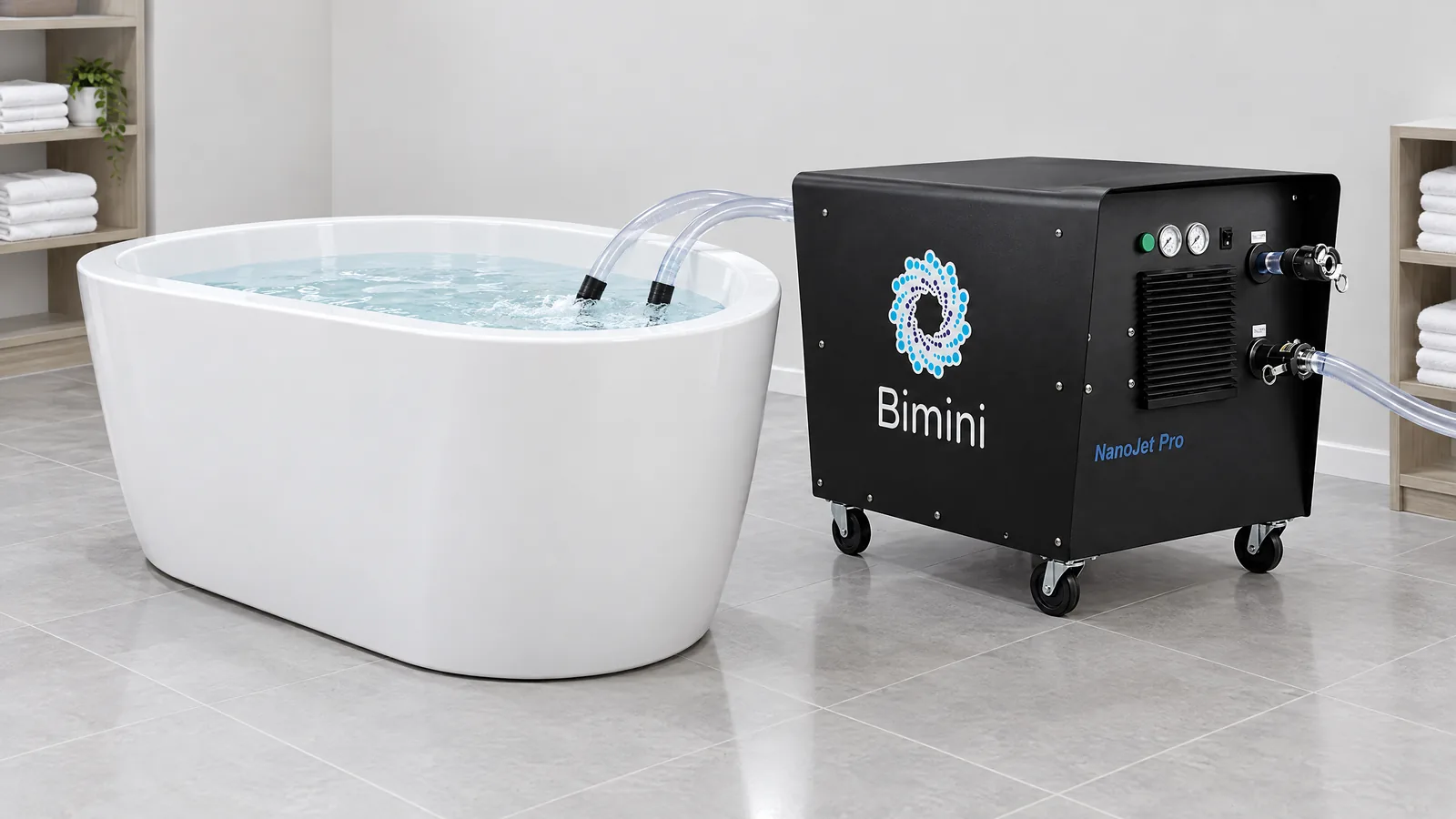
If you're an athlete looking to support recovery between workouts and maintain your training routine, at-home hydrotherapy systems offer a convenient option. Having a hydrotherapy system at home means you can use it on your own schedule, any time of day or night. Let's walk through what these systems are, how they work, and which setup makes sense for your needs.
What Are At-Home Hydrotherapy Systems?
Hydrotherapy is water-based immersion using specialized equipment. At-home systems bring this technology into your house, letting you access it without a gym membership or facility visit.
These systems range from simple warm-water options to advanced setups with specialized features. The key difference between a basic bathtub and a true hydrotherapy system is the equipment and features integrated into the water immersion experience.
Types of At-Home Hydrotherapy Systems
When you start shopping, you'll run into several different categories. Knowing the difference helps you match the right tool to your needs.
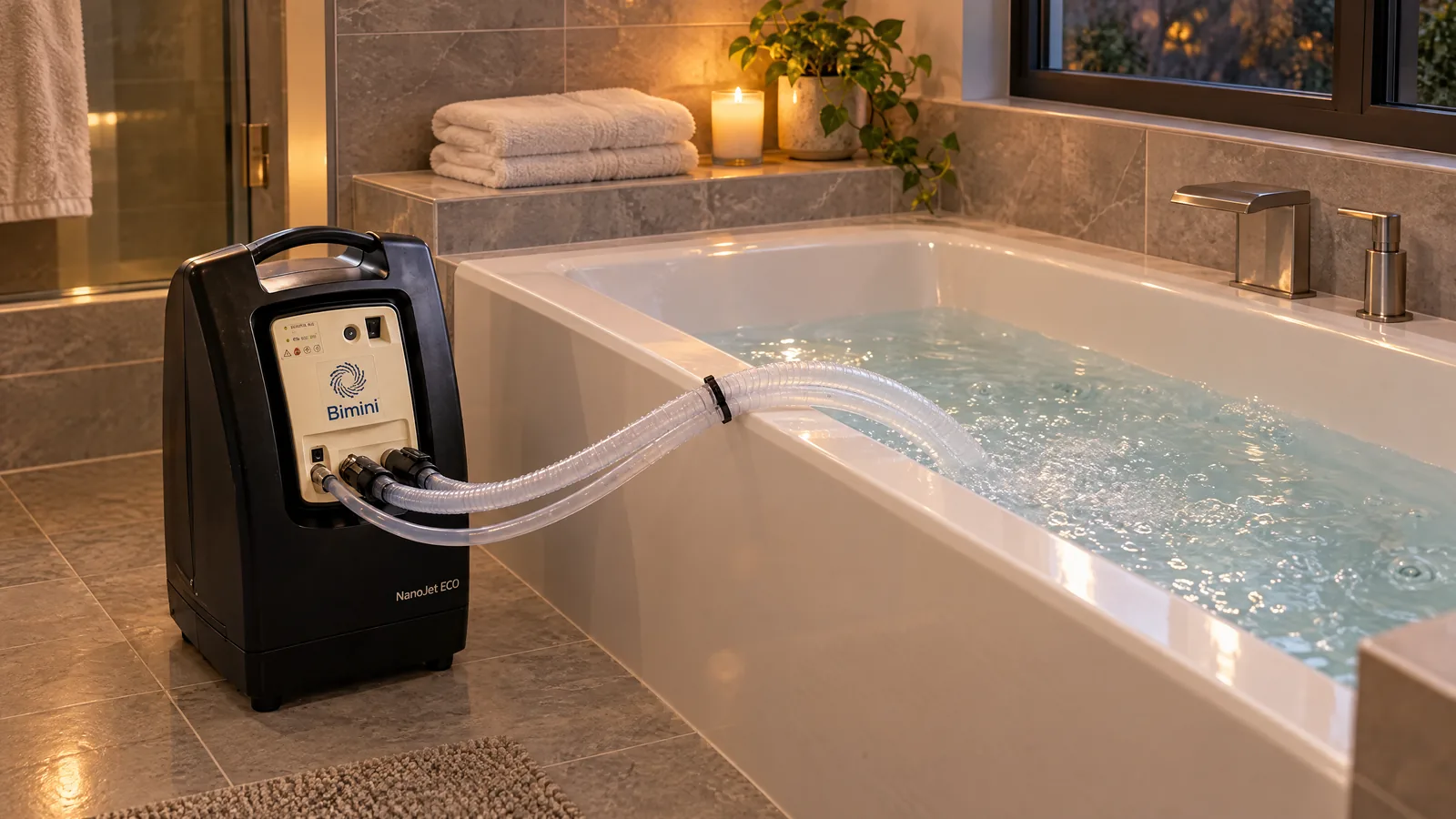
- Portable systems for existing tubs: These attach to your current bathtub and add specialized features without requiring renovation or extra space. They're compact and easy to store.
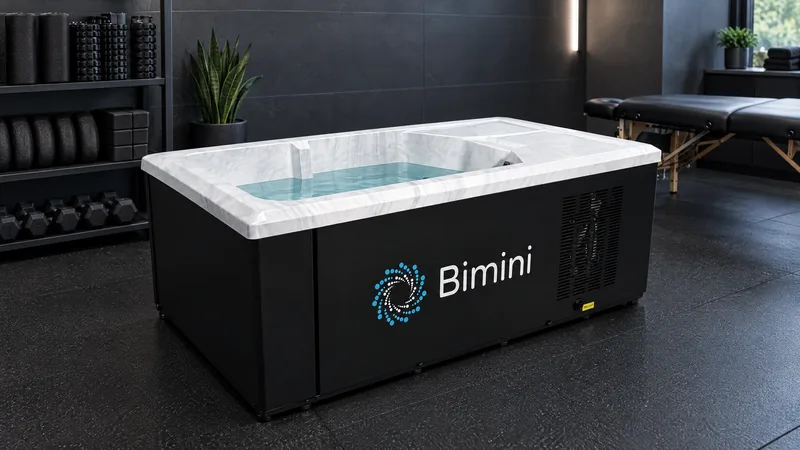
- Standalone therapy tubs: Built-in or drop-in tubs designed specifically for water immersion, with integrated features and a dedicated footprint in your home.
- Seated foot and leg systems: Smaller units that focus on lower-body immersion without needing a full-body setup.
- Wheeled or portable therapy units: Larger systems that sit on wheels, giving you flexibility to move them between rooms or to different locations.
Each type has different considerations. A portable system fits any home and costs less upfront. A dedicated tub takes up more space but offers a more comprehensive immersion experience. Seated systems are designed for targeting specific areas like your feet, ankles, or lower legs.
Key Features to Look For
Not all hydrotherapy systems are built the same. Here are the features to consider when evaluating options.
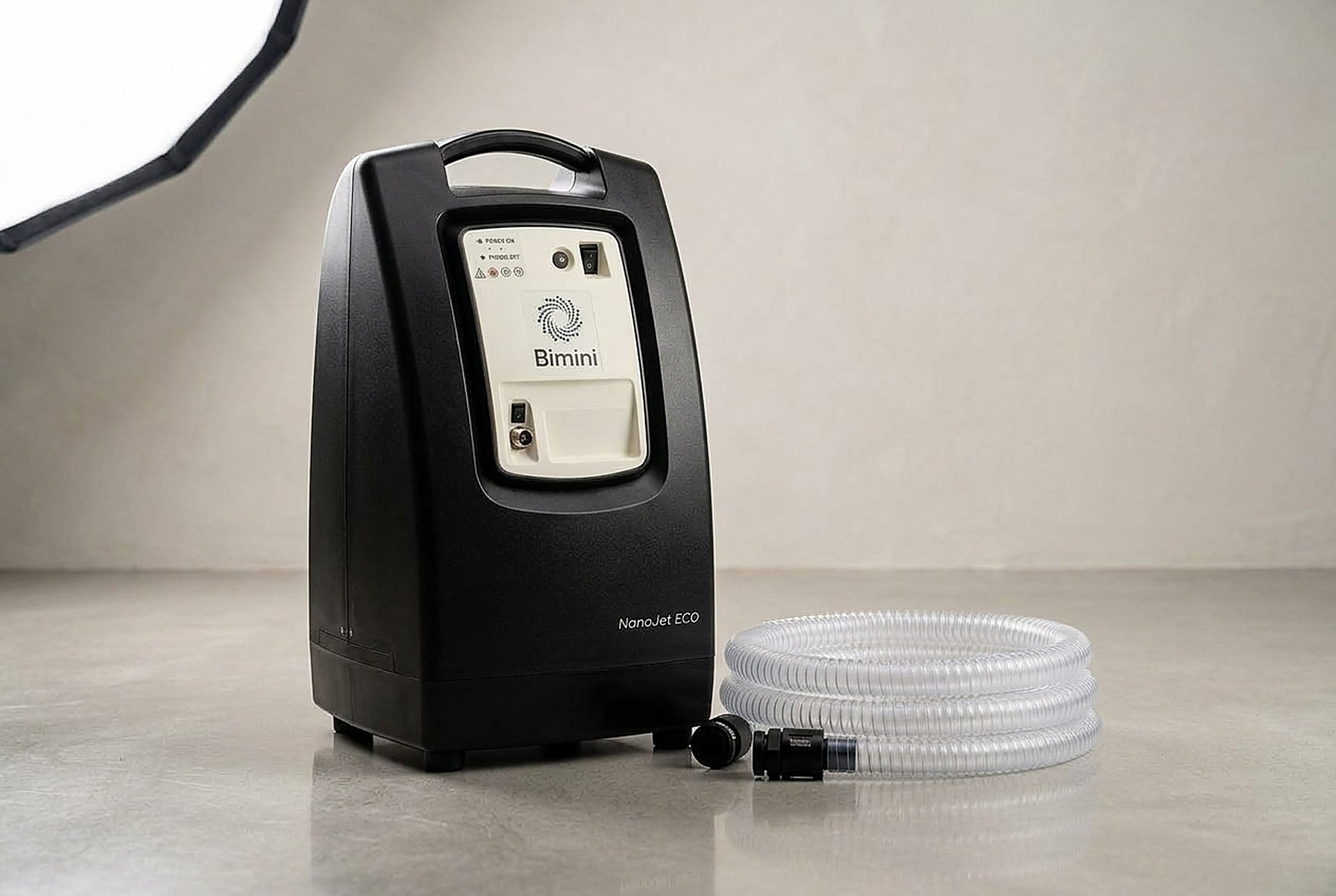
- Oxygen-based technology: Some advanced systems use nanobubble oxygen delivery during immersion. This represents a different approach compared to basic warm water.
- Temperature control: You want to dial in the exact water temperature for your preference. Different temperatures offer different immersion experiences.
- Compact design: If you don't have a dedicated recovery room, choose a system that fits your actual space without dominating it.
- Ease of use: The best system is the one you'll actually use. Look for intuitive controls and minimal setup time between sessions.
- Materials and construction: Choose systems built with quality materials and reliable components.
- Water jet or circulation options: Some systems include directed water flow or jets that add a massaging element to immersion.
How Hydrotherapy Systems Work
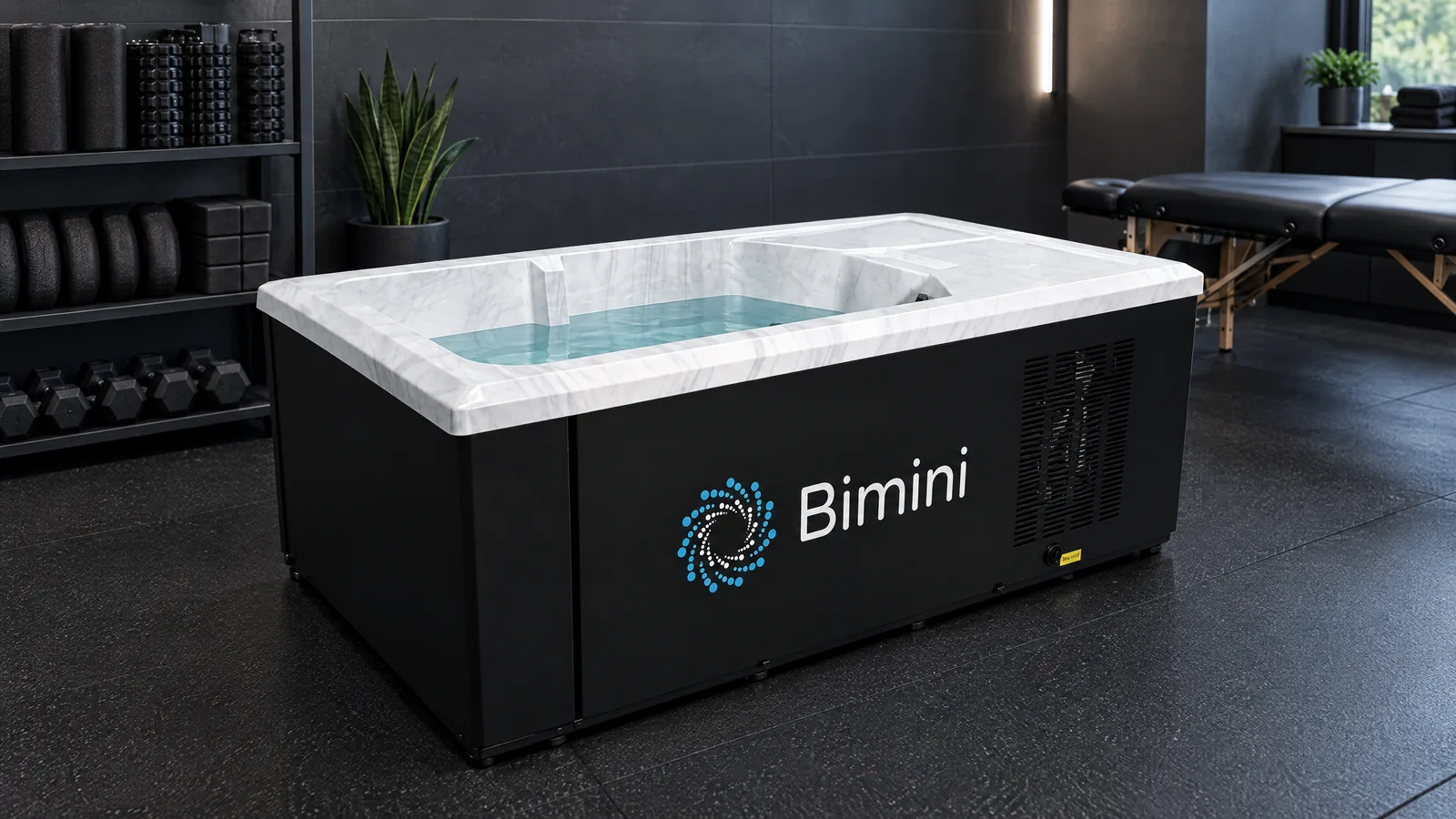
Water-based immersion creates an environment with specific physical properties. When you spend time in water, you experience buoyancy, which removes the weight of gravity from your joints and muscles. This is especially valuable during recovery periods or training blocks where intensity is high.
The water temperature and circulation patterns in hydrotherapy systems are designed to create a specific immersion experience. Many athletes incorporate regular hydrotherapy sessions into their weekly routine as part of their overall training and recovery approach.
Advanced systems take this further. biminihydrotherapy.com offers specialized systems that use oxygen nanobubble technology during immersion, which athletes can incorporate into their weekly routine alongside their training program.
Related: Professional Athlete Recovery Technology Systems: A Complete Guide
Related: Oxygen Perfusion for Athletic Performance: A Complete Guide
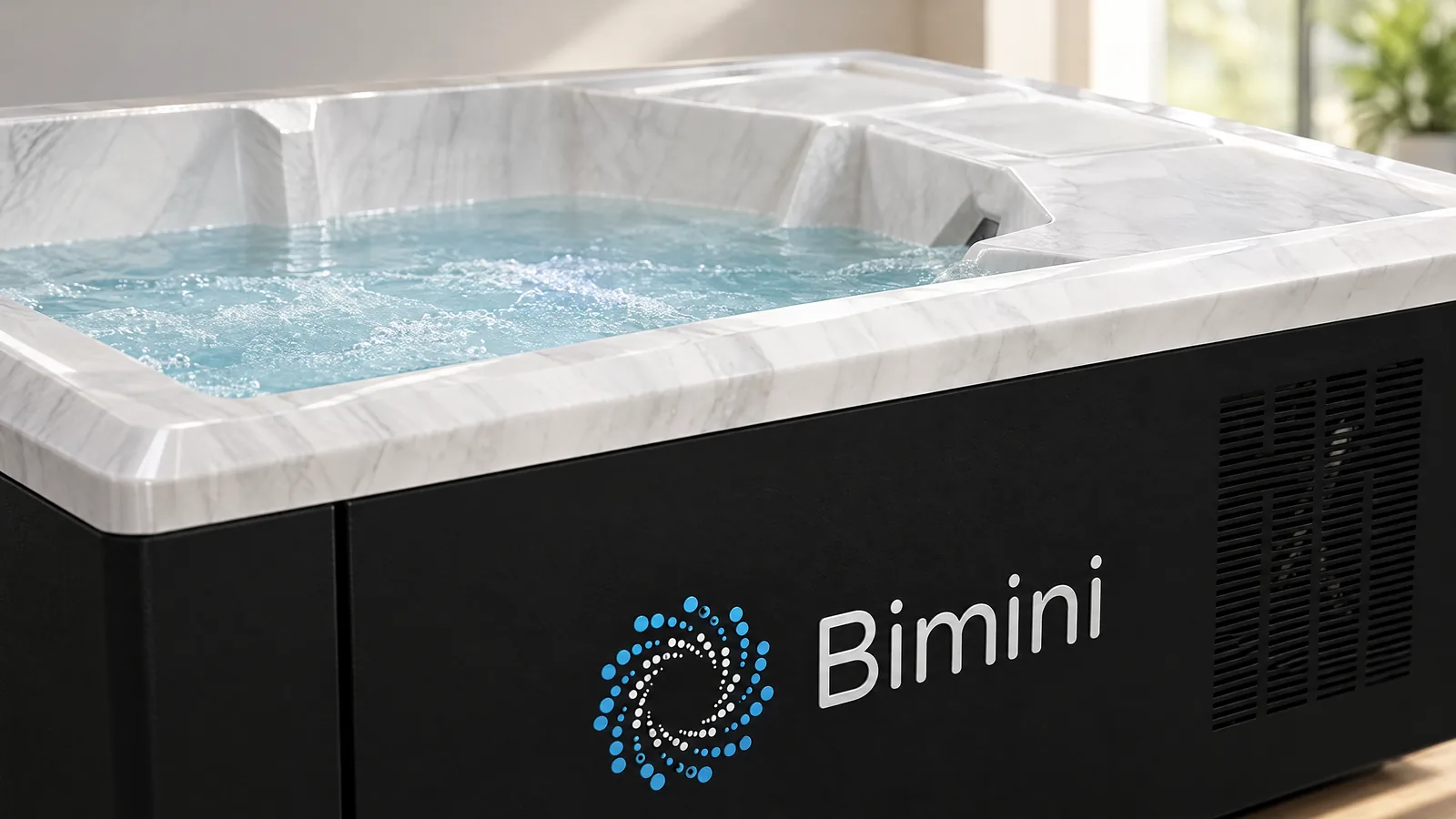
Setting Up Your At-Home System
Installation varies depending on what you choose. A portable system might take 10 minutes to unbox and attach to your tub. A dedicated tub setup could require plumbing, electrical work, and space planning.
Before you buy, measure your space and think about placement. Do you have access to a drain and water hookup? Is there room for the system plus you actually getting in? Can you control temperature and features from inside the tub or nearby?
If you have limited space or don't want to commit to a permanent installation, a portable hydrotherapy system can be used in your existing bathtub and removed when you're done.
How Often Should You Use It?
Usage frequency depends on your training schedule and personal preference. Many athletes use hydrotherapy systems multiple times per week as part of their routine. Sessions typically last 15-30 minutes.
Refer to the manufacturer's instructions for recommended usage guidelines for your specific system.
Cost and Investment Level
At-home hydrotherapy systems come at different price points. A basic portable option designed to work with your existing tub will cost less than a full standalone recovery tub with integrated plumbing and electrical features.
Related: Best At-Home Recovery Systems for Athletes in 2026
The investment you make depends on your training level, budget, and your priorities. Think about what makes sense for your situation, then talk to biminihydrotherapy.com about options that match your needs.
Hydrotherapy as Part of Your Routine
Hydrotherapy systems can be incorporated into a broader approach to training and wellness. Pair it with solid sleep, proper nutrition, and adequate rest days. If you're doing mobility work, stretching, or other activities, hydrotherapy can be used alongside them as part of your overall routine.
Finding the Right System for Your Situation
Start by asking yourself a few questions. How much space do you actually have? Do you want something portable or permanent? Are you interested in full-body immersion or systems designed for specific areas like your lower legs and feet? How much time can you realistically commit to using the system?
Once you have answers, you can narrow down which category of system makes sense. Different athletes may benefit from different setups based on their training and preferences.
The goal is to find a system that fits your space and matches your needs. When you're ready to explore specific options, biminihydrotherapy.com can walk you through what's available.
Why Athletes Are Choosing At-Home Systems
At-home hydrotherapy removes logistical barriers from your routine. No commute, no schedule conflicts, no waiting for a facility to open. You can use the system on your own schedule, which supports consistency.
Whether you're training for a specific event, building strength through a training cycle, or maintaining your athletic routine, having recovery equipment at home offers convenience and accessibility.
What makes a hydrotherapy system different from a regular warm bath?
A regular warm bath is a basic immersion experience. A hydrotherapy system is engineered with specialized technology, precise temperature control, and circulation patterns. The equipment and features in a true hydrotherapy system create a different immersion experience than soaking alone.
Can I use an at-home hydrotherapy system if I'm injured?
If you have a specific injury or health condition, consult your doctor, athletic trainer, or other qualified healthcare professional before using a hydrotherapy system. They can advise you on whether immersion is appropriate for your situation and provide guidance on timing, temperature, and duration based on your individual needs.
How often should I use a hydrotherapy system?
Refer to the manufacturer's instructions for your specific system regarding recommended usage frequency and session duration. Your personal usage will depend on your training schedule and preferences.
Do I need special water or chemicals for hydrotherapy?
Standard tap water works for most at-home hydrotherapy systems. Check the manufacturer's guidelines for your specific system regarding any maintenance or water care recommendations.
The At-Home Recovery System Used by Pro Athletes
Learn the science behind oxygen nanobubble therapy and how 58 named professional & Olympic athletes recover faster.
Related Bimini systems
Keep reading

Jason Applewhite · Founder, Bimini Hydrotherapy
Jason Applewhite is the founder of Bimini Hydrotherapy. He develops oxygen nanobubble recovery systems used in homes, gyms and training facilities, and works directly with the athletes and facility owners who use them, including Rice University Athletics, where the Sports Medicine department ran a pilot evaluation of the NanoJet.
Bimini products are wellness devices. They are not medical devices and are not intended to diagnose, treat, cure or prevent any disease. Talk with your doctor about any health condition.