Professional athlete recovery technology systems combine multiple tools and monitoring approaches. Whether you're competing at the Olympic level, playing college ball, or training at an elite facility, recovery systems can be part of a comprehensive training program.
Modern recovery systems aren't single tools—they layer multiple technologies to provide different approaches to recovery. Let's break down what's available and how athletes use these systems.
What Are Professional Athlete Recovery Technology Systems?
Recovery technology systems combine real-time monitoring, data analysis, and physical recovery modalities to support athletes between training sessions and competitions.
Think of it like this: your body is a machine, and recovery systems provide diagnostics and maintenance tools combined. They track what's happening and provide options for recovery support.
The core of any modern recovery setup includes wearable devices that track your metrics, analytics platforms that interpret those metrics, and hands-on recovery tools that address different recovery needs. When these work together, you have multiple options for recovery support.
Wearable Monitoring Devices for Real-Time Data
Smartwatches, GPS watches, and heart rate fitness trackers are widely used by serious athletes. These devices track your heart rate variability, sleep quality, training load, and other metrics.
Data from these devices can inform recovery decisions. If your heart rate variability is low, this may indicate you're not fully recovered yet. That information can guide decisions about training intensity.
Related: Oxygen Perfusion for Athletic Performance: A Complete Guide
GPS watches track your movement patterns and training intensity, giving coaches and sports scientists concrete feedback on training load. Many elite programs now use this data to inform load management decisions.
The data provides information that athletes and their teams can use to make decisions about training and recovery.
Analytics Platforms and Data Interpretation
Raw data requires interpretation to be useful. Analytics platforms aggregate data from wearables, training logs, sleep trackers, and performance tests.
These systems can identify patterns in your data and provide information about your recovery status. After collecting data over time, these platforms can provide insights into your individual patterns and responses.
Many NCAA programs and professional teams now use these platforms to track recovery metrics for each athlete rather than using a single approach for everyone on the roster.
Compression and Pneumatic Pressure Technologies
Pneumatic compression systems use controlled air pressure applied to your legs, arms, or torso. These devices cycle through inflation and deflation phases. Most athletes use compression systems for 15-30 minutes post-training.
Compression gear has also evolved—compression sleeves, tights, and boots are woven with materials that provide graduated pressure. Many athletes use pneumatic compression systems and compression garments as part of their recovery routine.
Motion Capture and Movement Analysis Systems
Advanced motion capture technology tracks how your body moves during training and competition. Cameras, IMUs (inertial measurement units), and force plates record your movement patterns in 3D space.
Sports scientists use this data to analyze movement patterns. If your landing pattern or throwing mechanics show particular characteristics, the data provides that information.
Cryotherapy and Cold Recovery Modalities
Cold therapy has been used in athletic settings for decades, and modern systems provide precise cold exposure. Cryotherapy chambers expose your body to extreme cold for short periods, typically 2-3 minutes.
Water Immersion and Recovery Systems
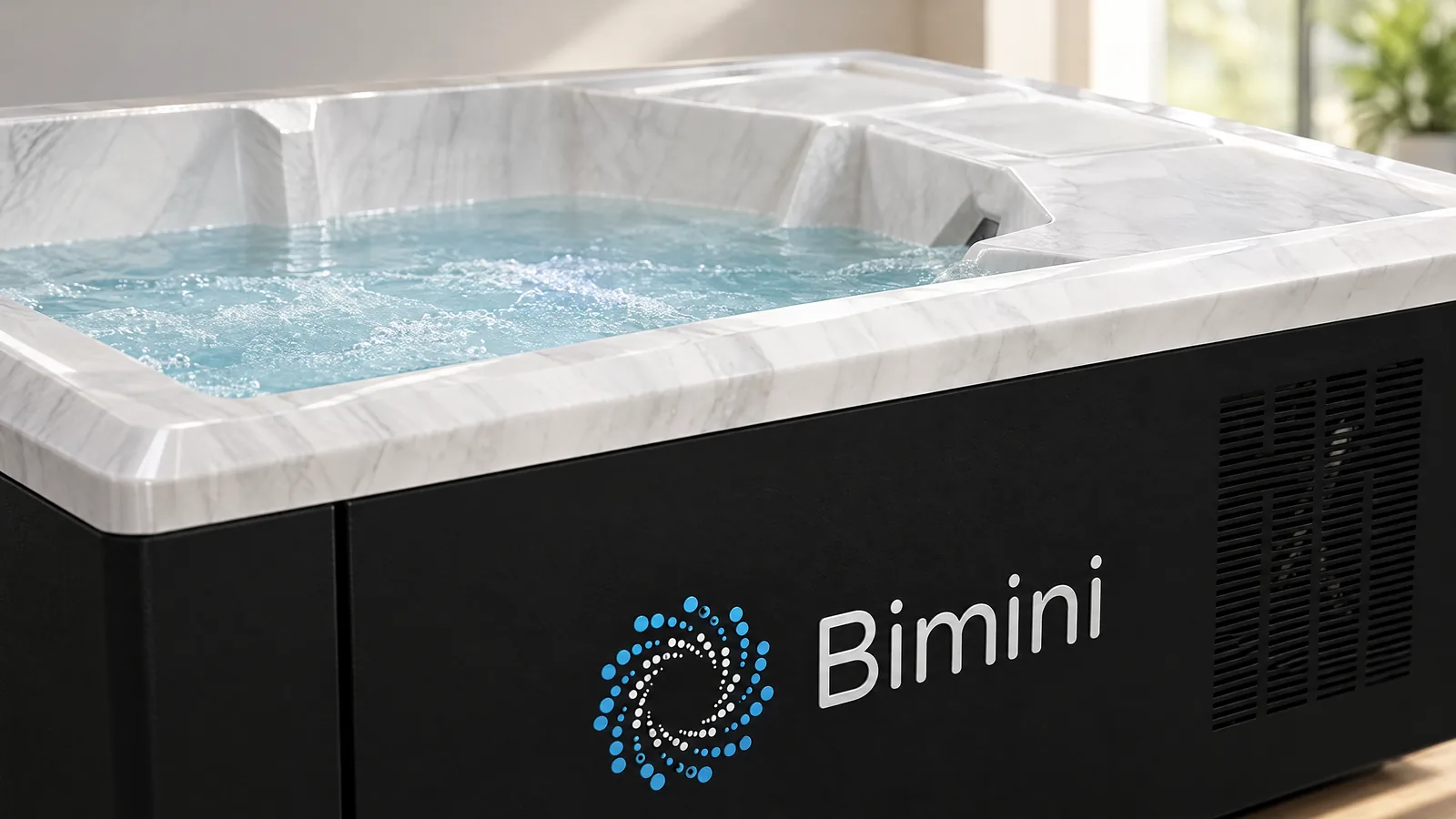
Water immersion recovery systems offer an approach to post-training recovery. These systems use various technologies to create a recovery environment during immersion.
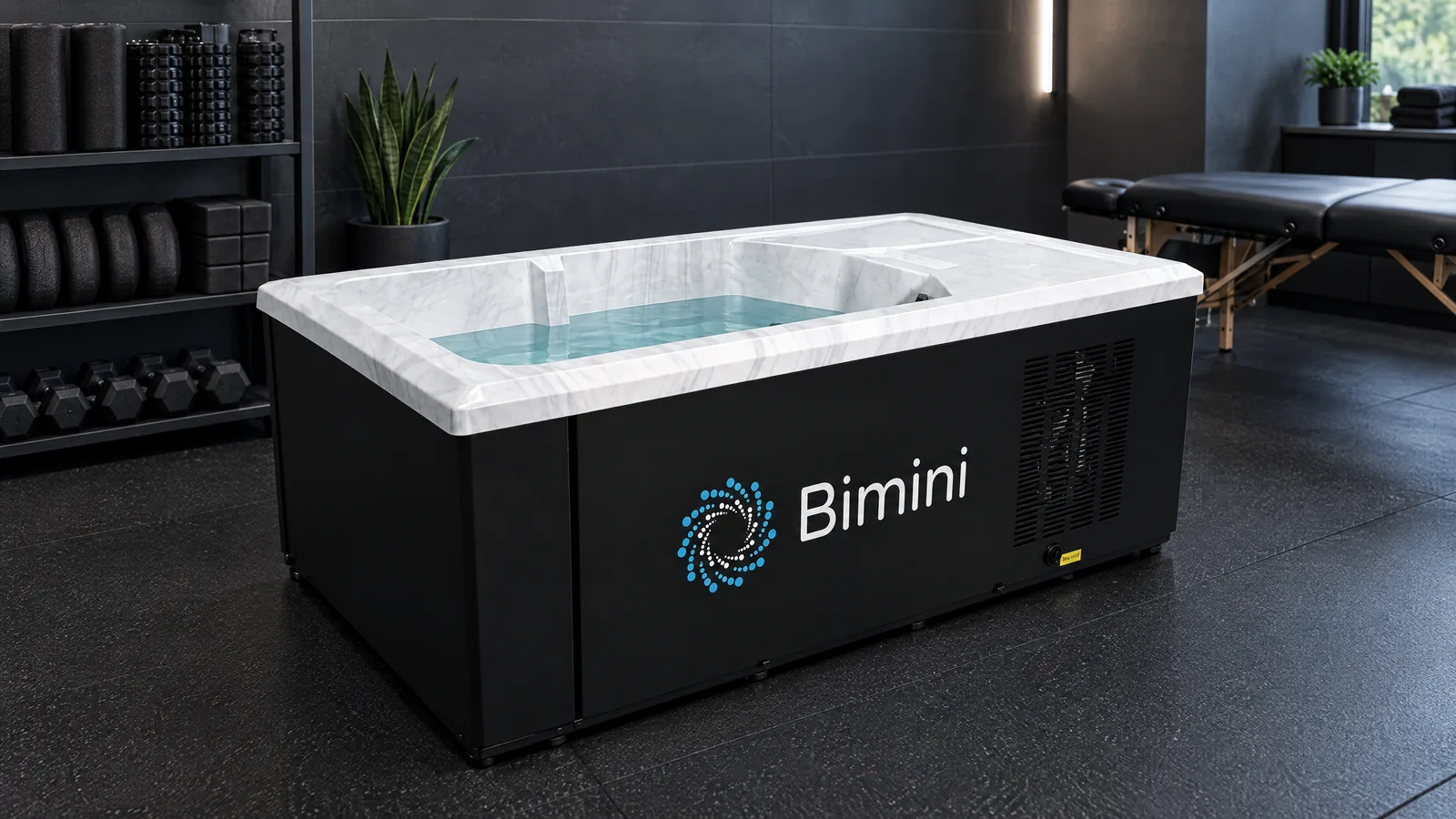
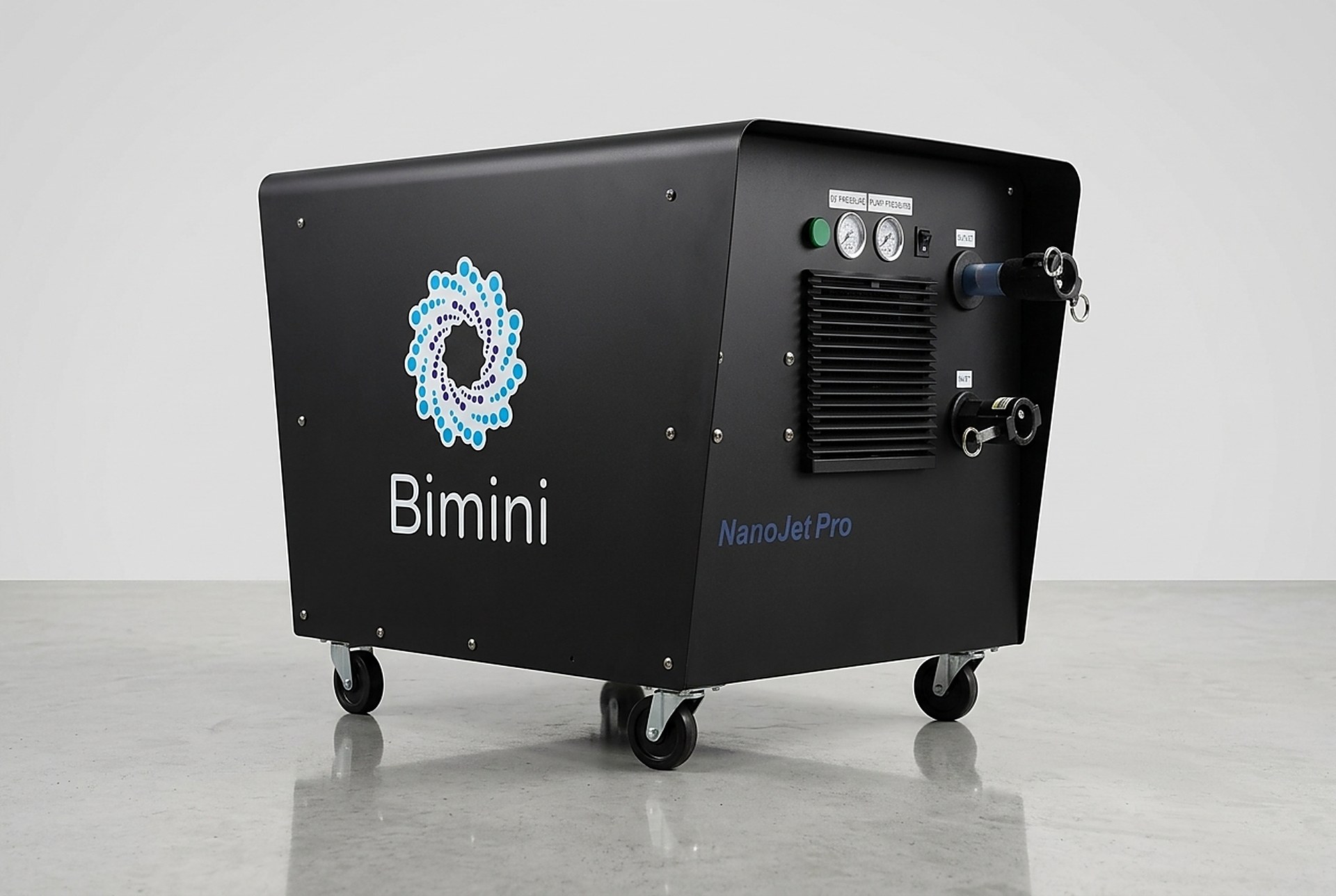
The NanoJet Pro is a commercial-grade solution used by professional teams and collegiate programs. It's a wheeled system that integrates into existing facility tubs, letting athletes recover while seated or reclined.
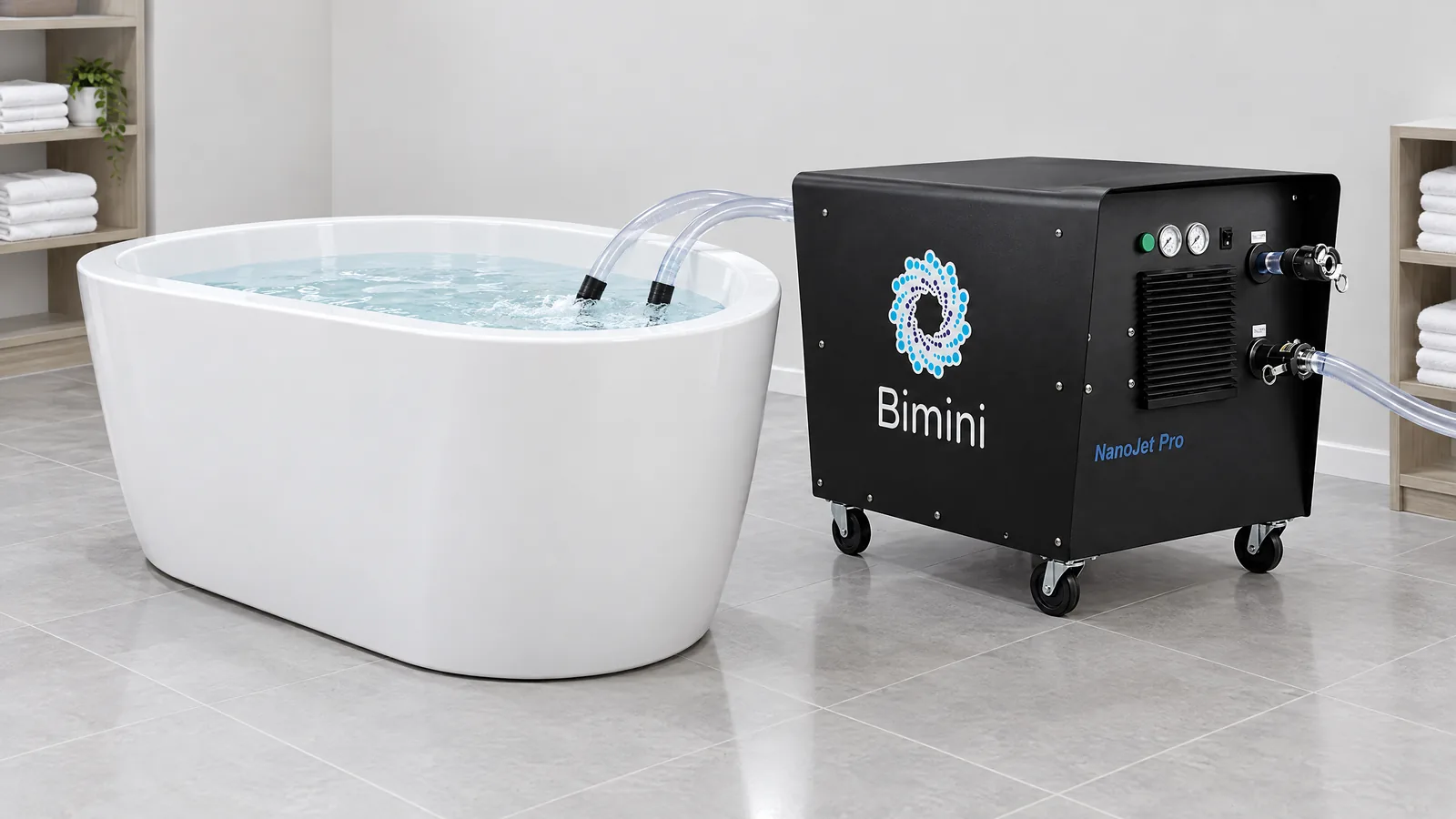
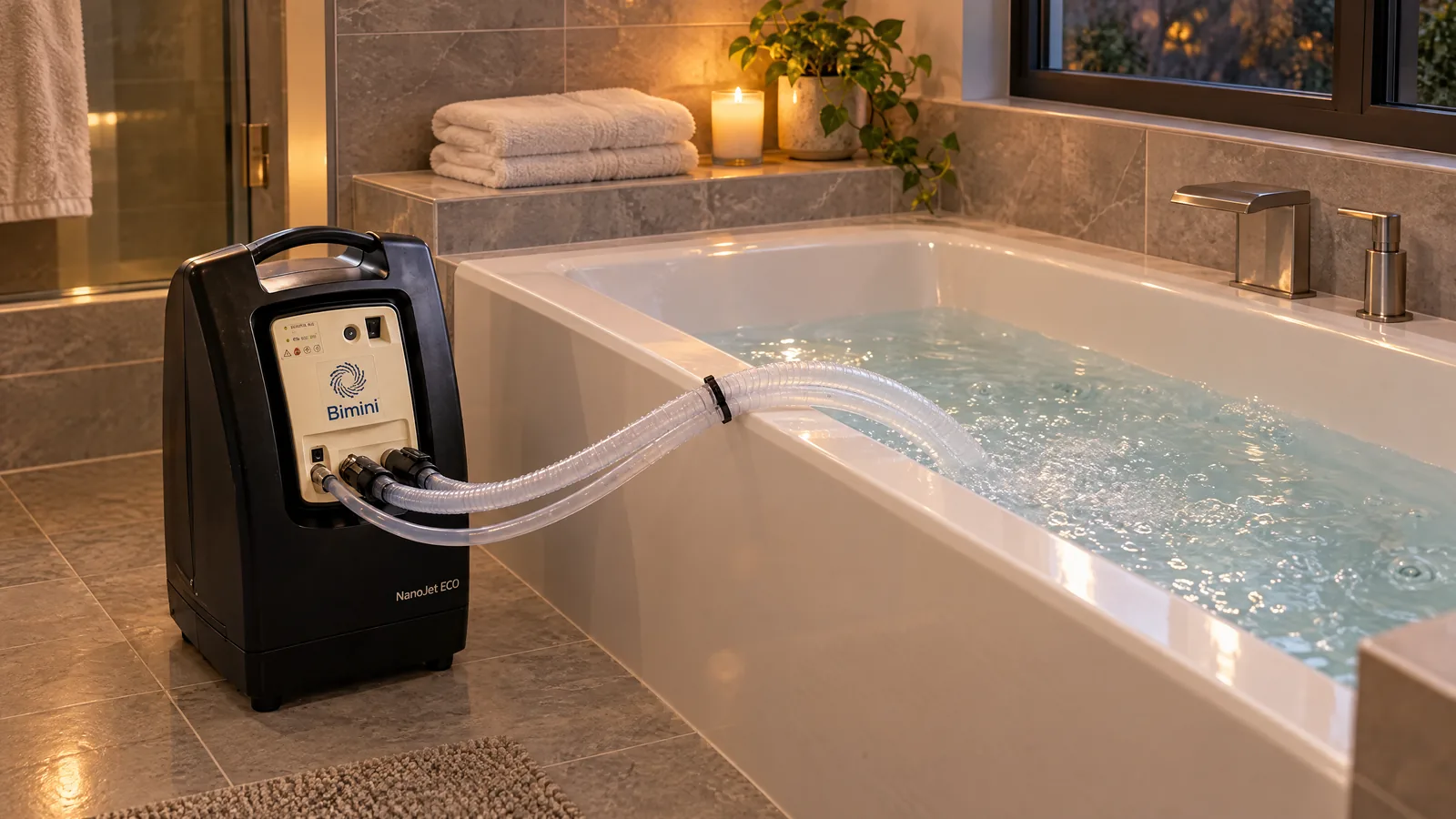
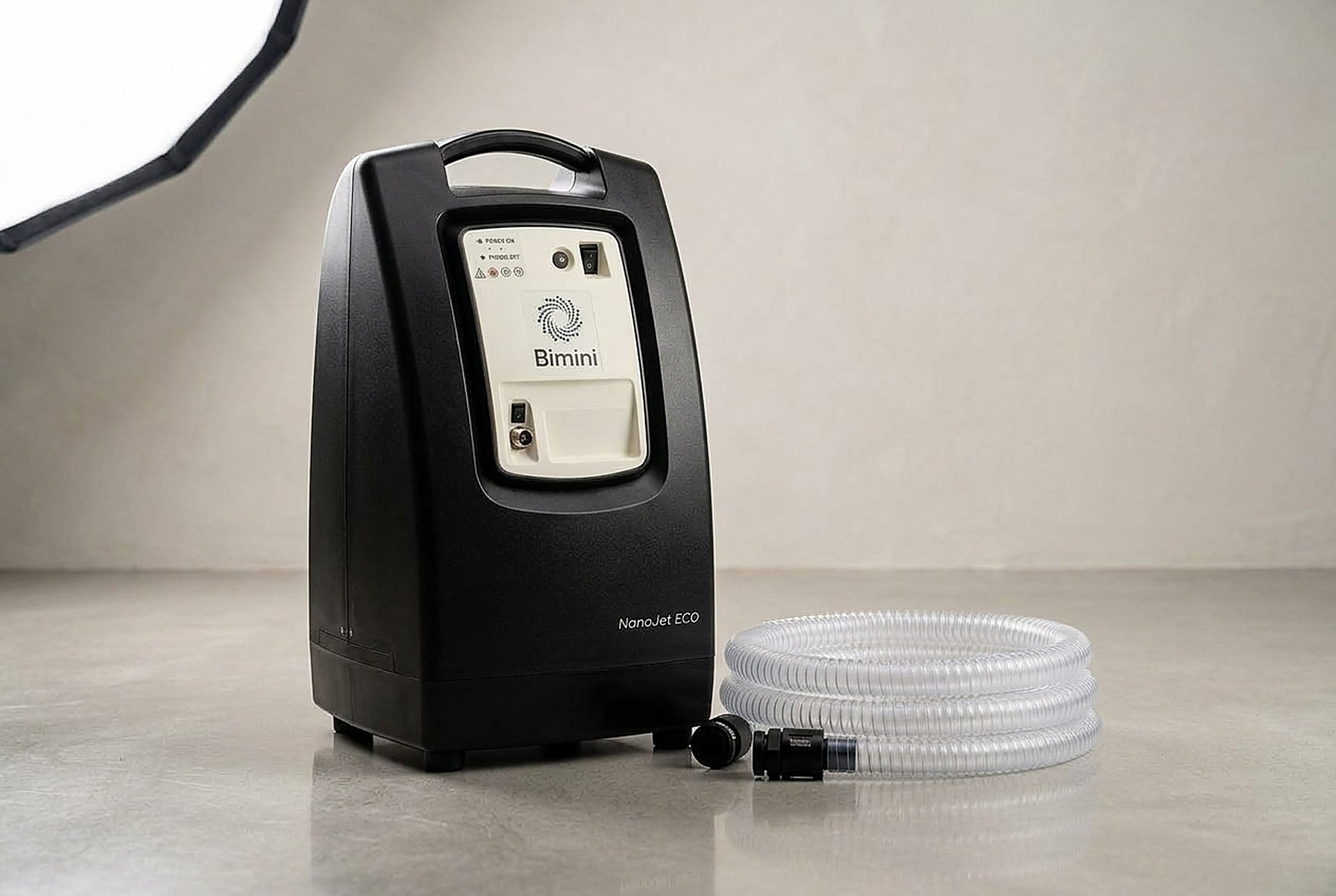
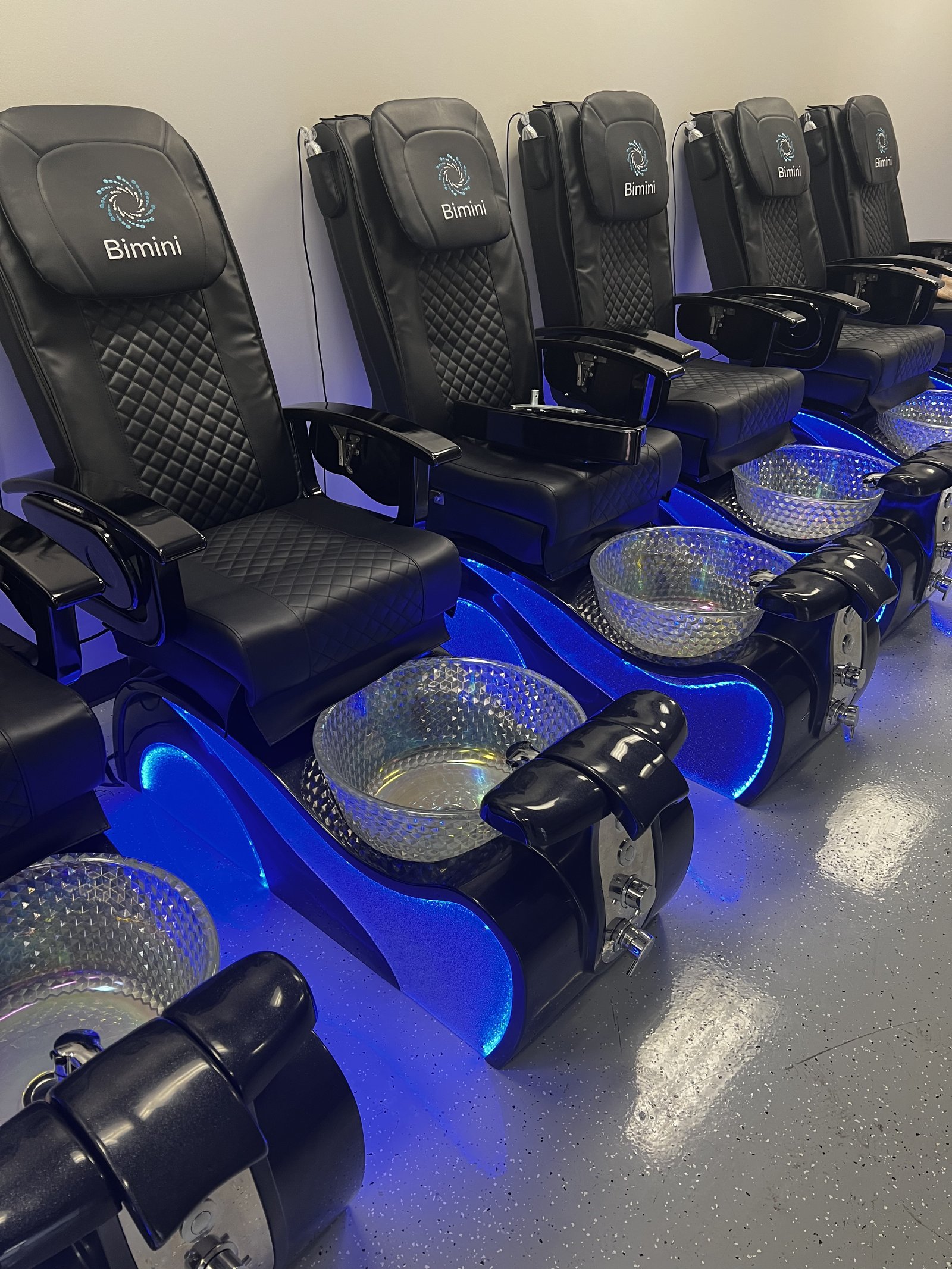
Home athletes and smaller facilities use the NanoJet Eco to bring recovery technology into any bathtub. The HydroLounge seated foot-spa option provides lower body recovery support.
These water-based systems provide a different approach to recovery than compression or cold therapy.
Using Multiple Technologies as Part of a Recovery Program
Recovery programs often incorporate multiple technologies and approaches. Each tool provides different capabilities and can be used at different times.
Here's how an athlete's recovery day might look: Morning wearable data shows your heart rate variability and sleep information. Based on this data, you might choose lighter activity instead of intense training. You might spend 15 minutes in a pneumatic compression system. Later, you might use a water immersion recovery system for 20 minutes. That evening, you prioritize sleep and nutrition.
The next day, based on your metrics, you might be ready for more intense training. This is how recovery technology can be used—as information tools that support decisions about training intensity and recovery approaches.
If you're building a recovery program for a team or facility, start with comprehensive wearable monitoring so you have data about your athletes' status. Then consider adding physical modalities—compression, water therapy, and cold exposure—that provide different recovery options. Let the data inform your choices about which tools to use and when.
For information on how immersion recovery systems work, biminihydrotherapy.com provides product specifications and manufacturer information.
People Also Ask
What recovery technology do pro athletes use most?
Wearable heart rate and sleep monitoring devices are widely used by professional athletes because they provide data that informs training decisions. Compression therapy and cold exposure are also commonly used. Many advanced programs use multiple technologies together.
How much time should athletes spend on recovery daily?
Most professional athletes spend 30-90 minutes per day on recovery activities, depending on training intensity. This can include foam rolling, stretching, compression sessions, cold therapy, and water immersion. The exact duration depends on your sport and training load. Refer to manufacturer instructions for specific devices.
Can recovery technology replace proper sleep and nutrition?
No. Sleep and nutrition are foundational to recovery. Technology can provide information and support, but cannot replace adequate sleep and proper nutrition. Use technology to monitor and support your sleep and nutrition practices.
How long does it take to see results from recovery technology?
Wearable data provides immediate information. Changes in how you feel typically show up after 1-2 weeks of consistent use. Performance changes usually take 4-6 weeks because recovery is an ongoing process. Consistency is important.
The At-Home Recovery System Used by Pro Athletes
Learn the science behind oxygen nanobubble therapy and how 58 named professional & Olympic athletes recover faster.
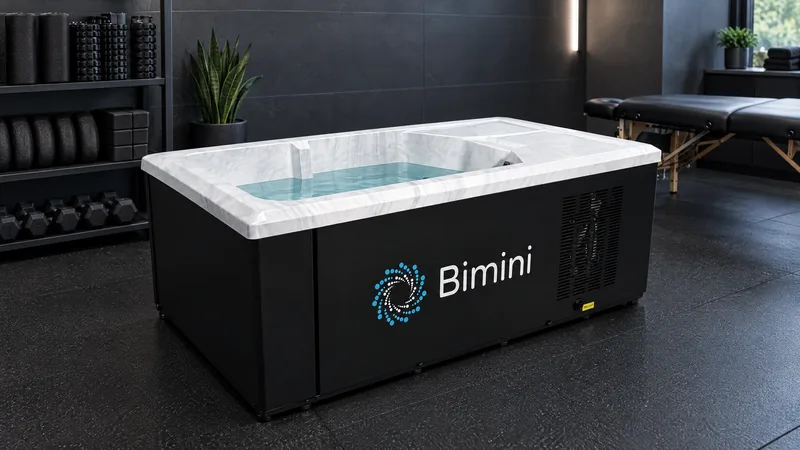
Related Bimini systems
Keep reading

Jason Applewhite · Founder, Bimini Hydrotherapy
Jason Applewhite is the founder of Bimini Hydrotherapy, where he develops oxygen nanobubble recovery systems used in homes, gyms and training facilities. He works directly with the Rice University research behind the technology and with the athletes and facility owners who use it every day.
Bimini products are wellness devices. They are not medical devices and are not intended to diagnose, treat, cure or prevent any disease. Talk with your doctor about any health condition.