When you're a professional athlete, recovery is part of your training plan. Various recovery equipment options are available to support your body's natural processes. We're going to walk you through the major categories of professional athlete recovery equipment so you can explore what may work for your situation and goals.
The Recovery Equipment Categories Athletes Actually Use
Professional athletes typically use multiple recovery tools rather than relying on just one. Think of recovery as a toolkit with different options. The main categories include massage and percussion devices, compression gear, heat and cold therapy systems, and oxygen-based recovery technology.
Related: Professional Athlete Recovery Technology Systems: A Complete Guide
Related: Collegiate Athlete Recovery Technology Solutions: A Complete Guide
Each of these addresses recovery from a slightly different angle. Massage provides mechanical stimulation to muscle tissue. Compression applies rhythmic pressure to the legs. Heat and cold create different physiological responses. And oxygen nanobubble systems offer an immersion-based option that is used at various training facilities.
Percussion Massage Guns and Muscle Stimulation
Massage guns deliver rapid vibrations to muscle tissue, and they've become common in professional training settings. They're portable, fast, and allow you to target different muscle groups.
Here's why athletes use them: you can focus on specific areas—your quads after leg day, your shoulders after upper body work—without needing additional support. Most professional athletes use massage guns for 30 seconds to a minute per muscle group, a few times a week or after workouts.
Massage guns provide mechanical stimulation only. For information about how they may fit into your recovery routine, refer to the manufacturer's instructions and guidance.
Compression Boots and Leg Coverage
Compression boots wrap around your legs and apply rhythmic pressure, moving from your ankles upward. They are designed to provide coverage to the lower body during recovery sessions.
Professional athletes often use compression boots for 20-30 minutes post-workout or between training sessions. They are especially popular for lower-body recovery because legs experience significant impact in most sports.
You'll see them in NFL locker rooms, basketball training facilities, and Olympic training centers. They can be used alongside other recovery methods and allow you to engage in other activities during recovery time—you can watch film, chat with teammates, or rest.
Cold Therapy: Ice Baths and Cold Plunges
Cold plunges and ice baths are widely used in professional training settings. Cold water immersion is a common recovery modality.
The typical protocol involves immersion in cold water (usually 50-59°F) for 2-5 minutes, a few times per week. Some athletes use cold therapy more frequently during heavy training blocks. For specific guidance on cold therapy use, frequency, and suitability for your situation, refer to the device instructions and consult a qualified healthcare professional.
Many professional programs use cold therapy as part of a broader recovery approach rather than as the only tool.
Heat Therapy: Hot Tubs, Saunas, and Warm Immersion
Heat therapy provides coverage to the body through warm water or sauna environments. Professional athletes use hot tubs and saunas as part of their recovery routines.
Sessions usually run 15-20 minutes. Heat therapy is accessible and easy to incorporate into recovery routines. For specific guidance on heat therapy use and frequency, refer to the device instructions.
Heat therapy provides a different approach than massage or compression, offering warm-water or sauna-based coverage to support your recovery sessions.
Foam Rollers and Self-Myofascial Release
Foam rolling is low-tech and accessible. You roll your legs, back, and shoulders on a cylindrical foam tool to apply pressure to muscle tissue. It's inexpensive, takes 5-10 minutes, and you can do it anywhere.
Most professional athletes include foam rolling in their warm-up or cool-down routine, especially on rest days. It is a self-directed recovery modality that you can perform independently.
Foam rolling requires effort and discipline. Consistency depends on you showing up and performing the activity regularly.
Oxygen Nanobubble Water Therapy: Immersion-Based Recovery Technology
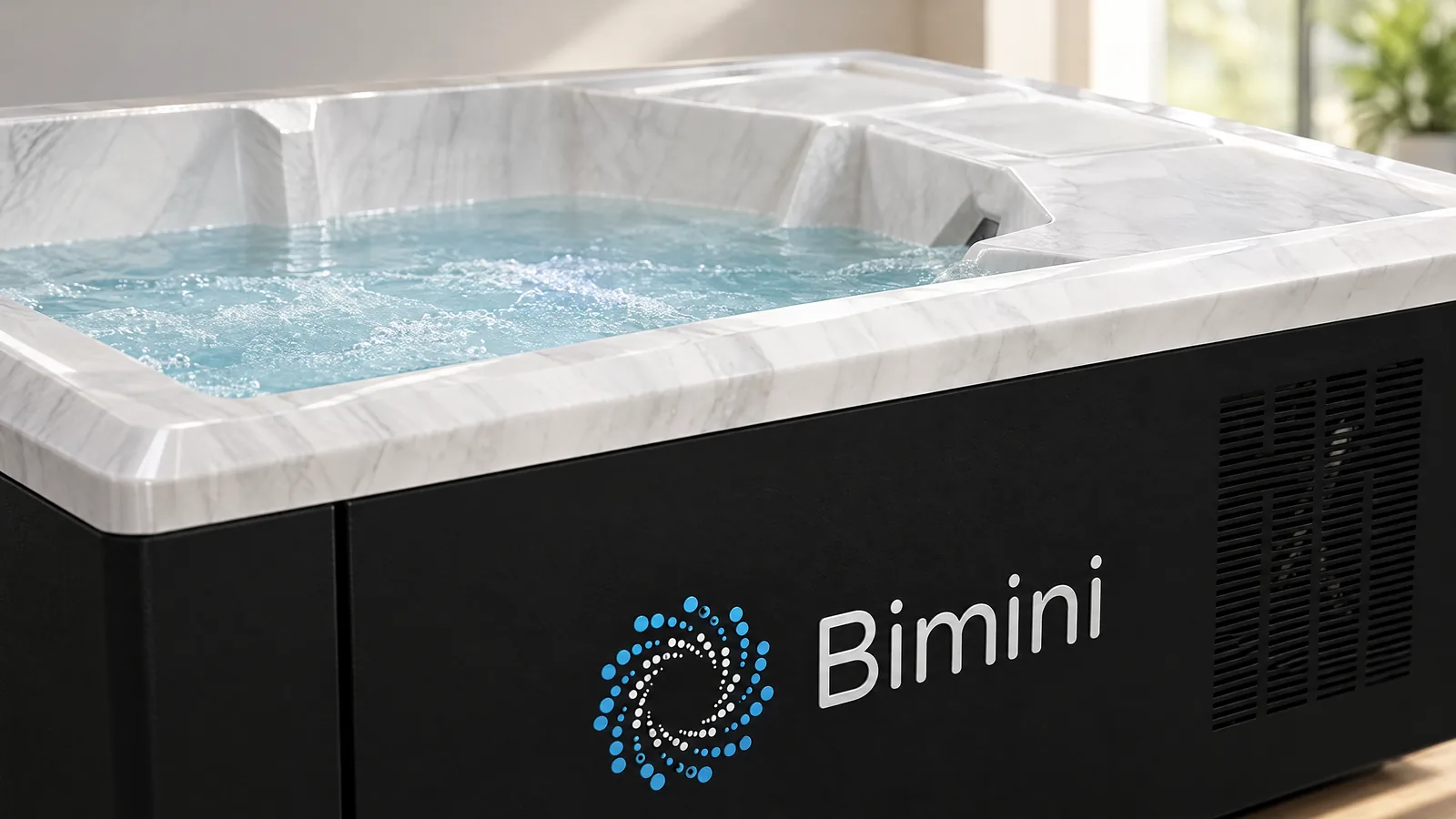
Oxygen nanobubble systems create microscopic oxygen bubbles in water for immersion-based recovery. These systems are used at various training facilities and are available for home use.
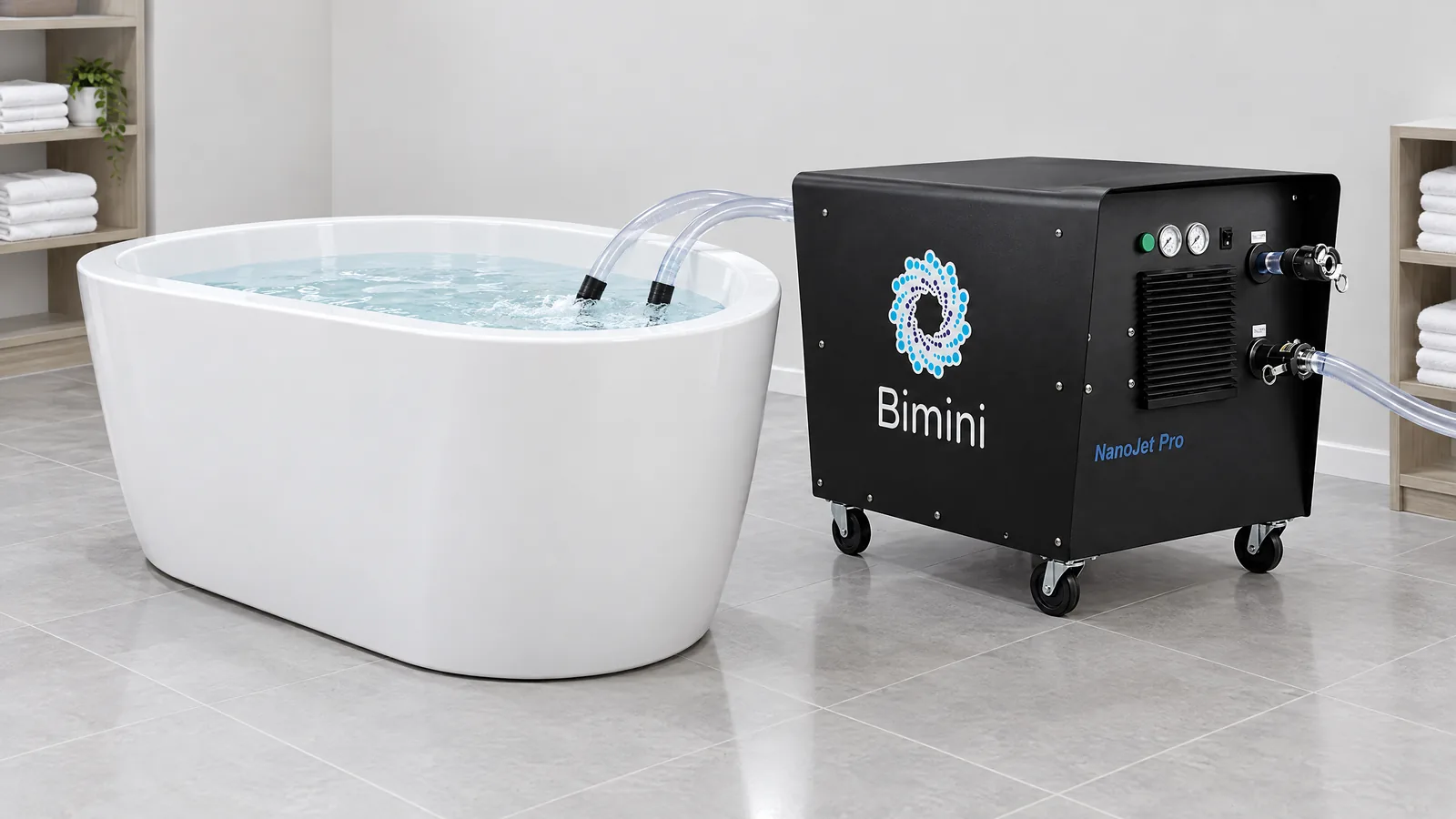
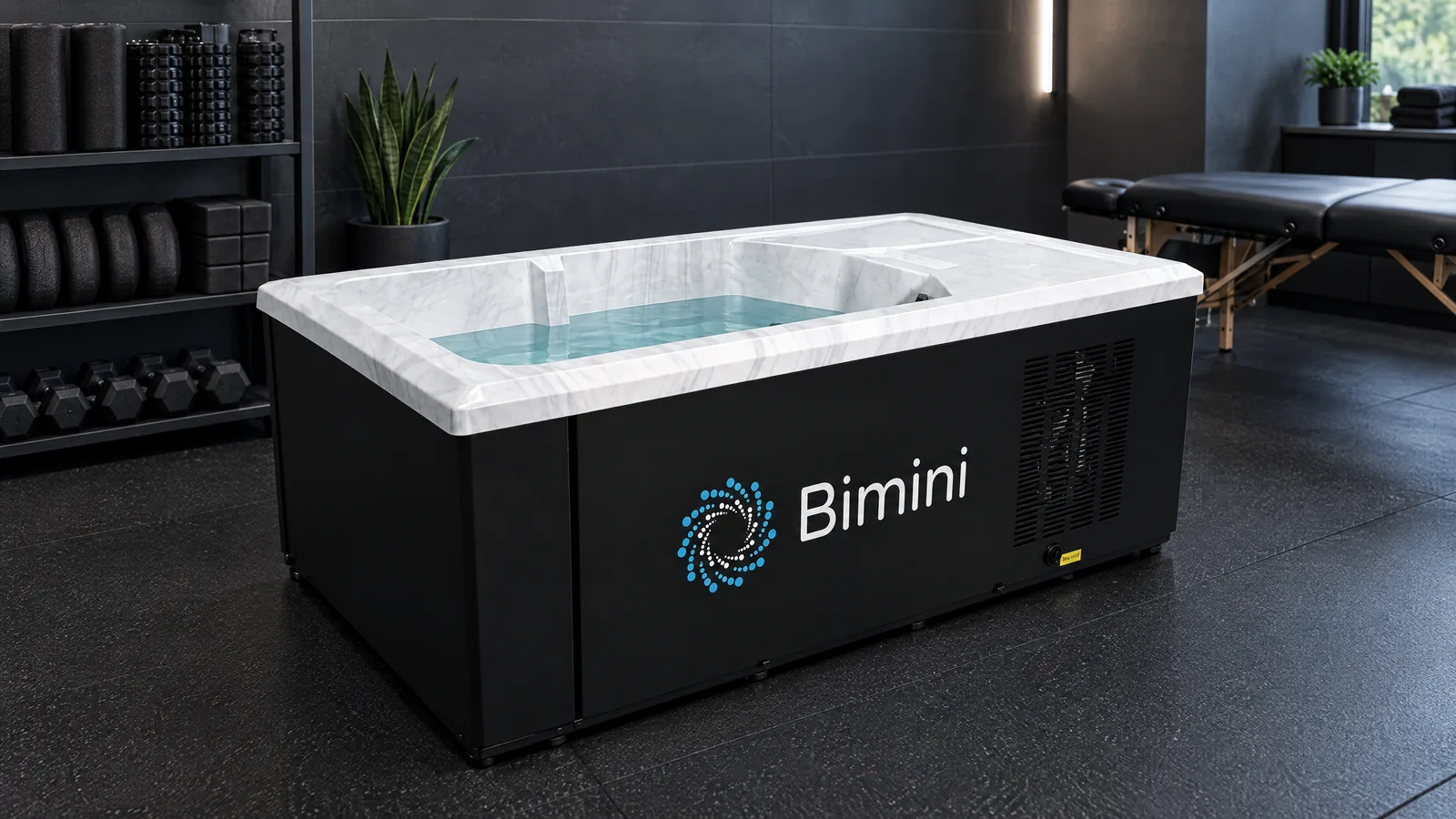
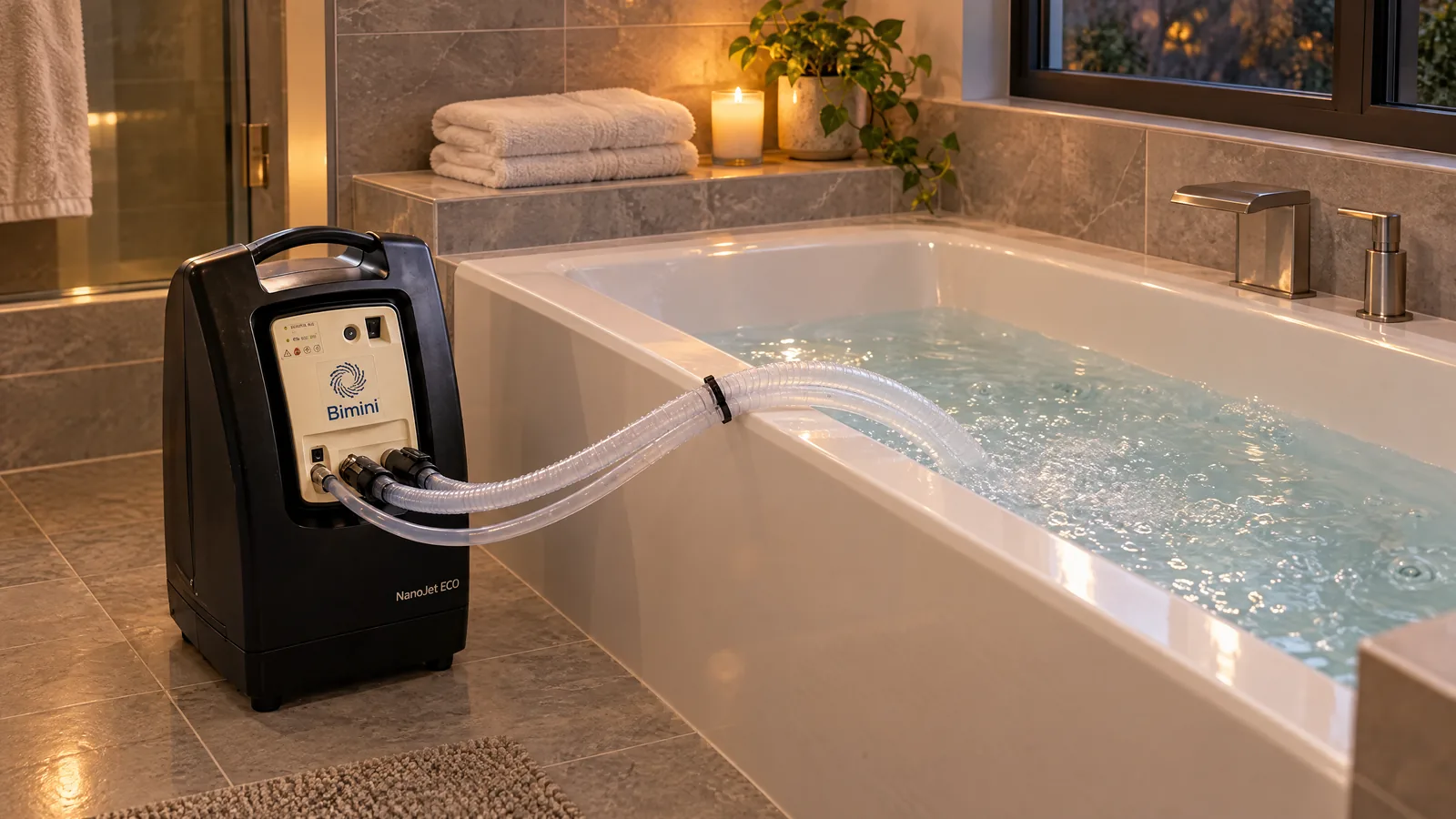
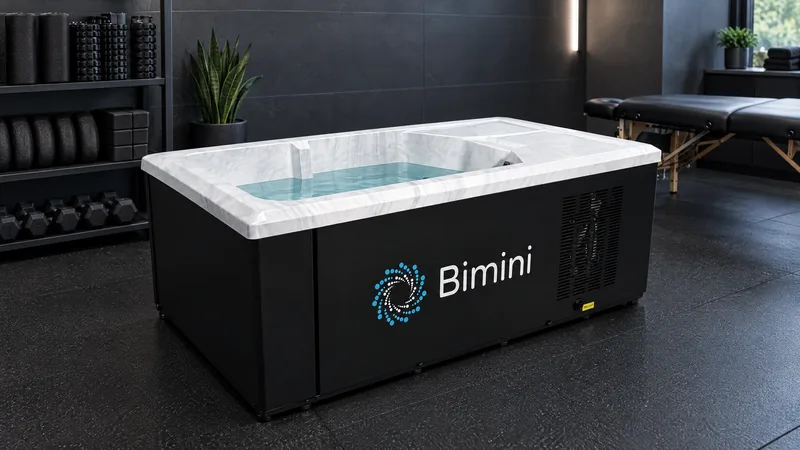
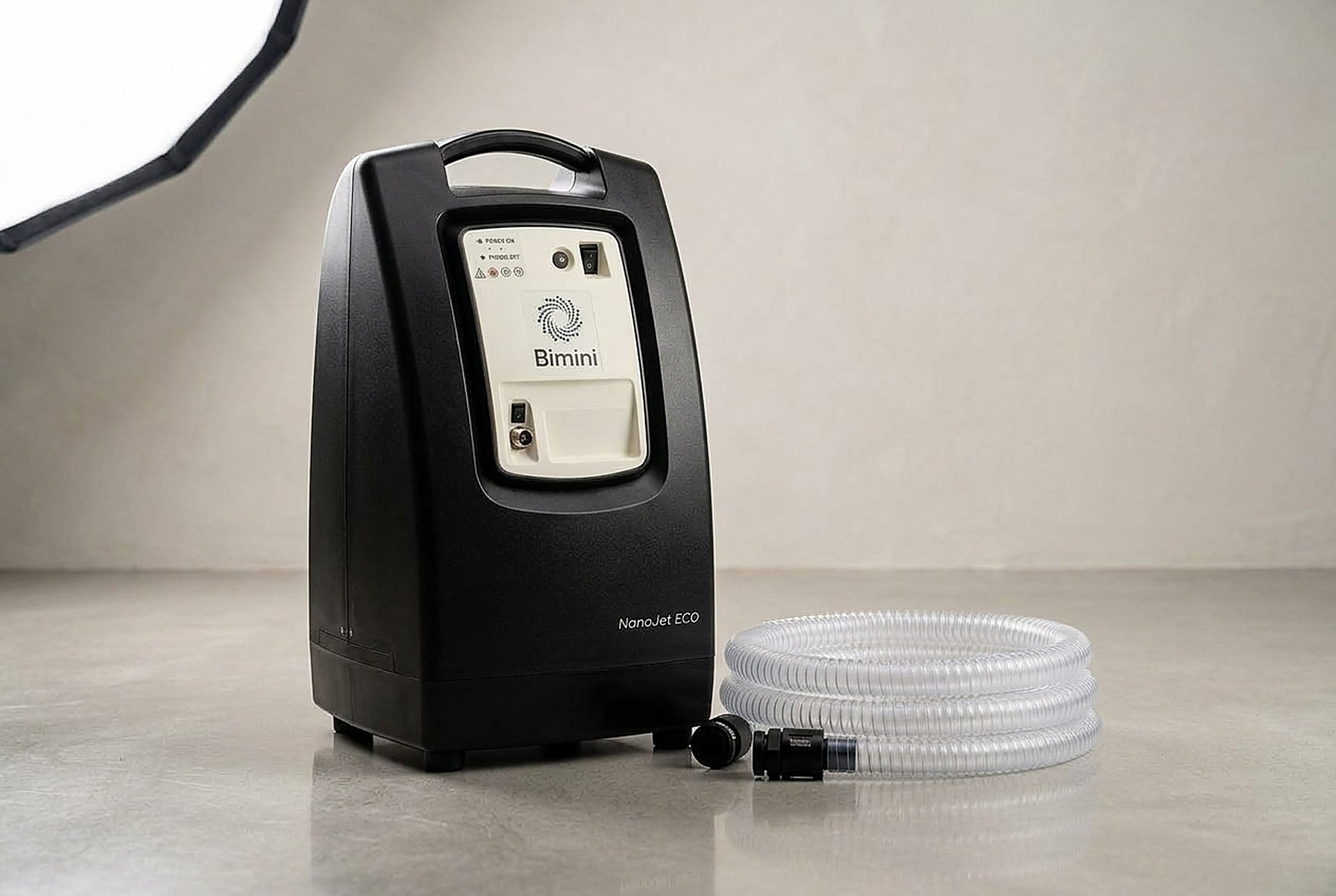
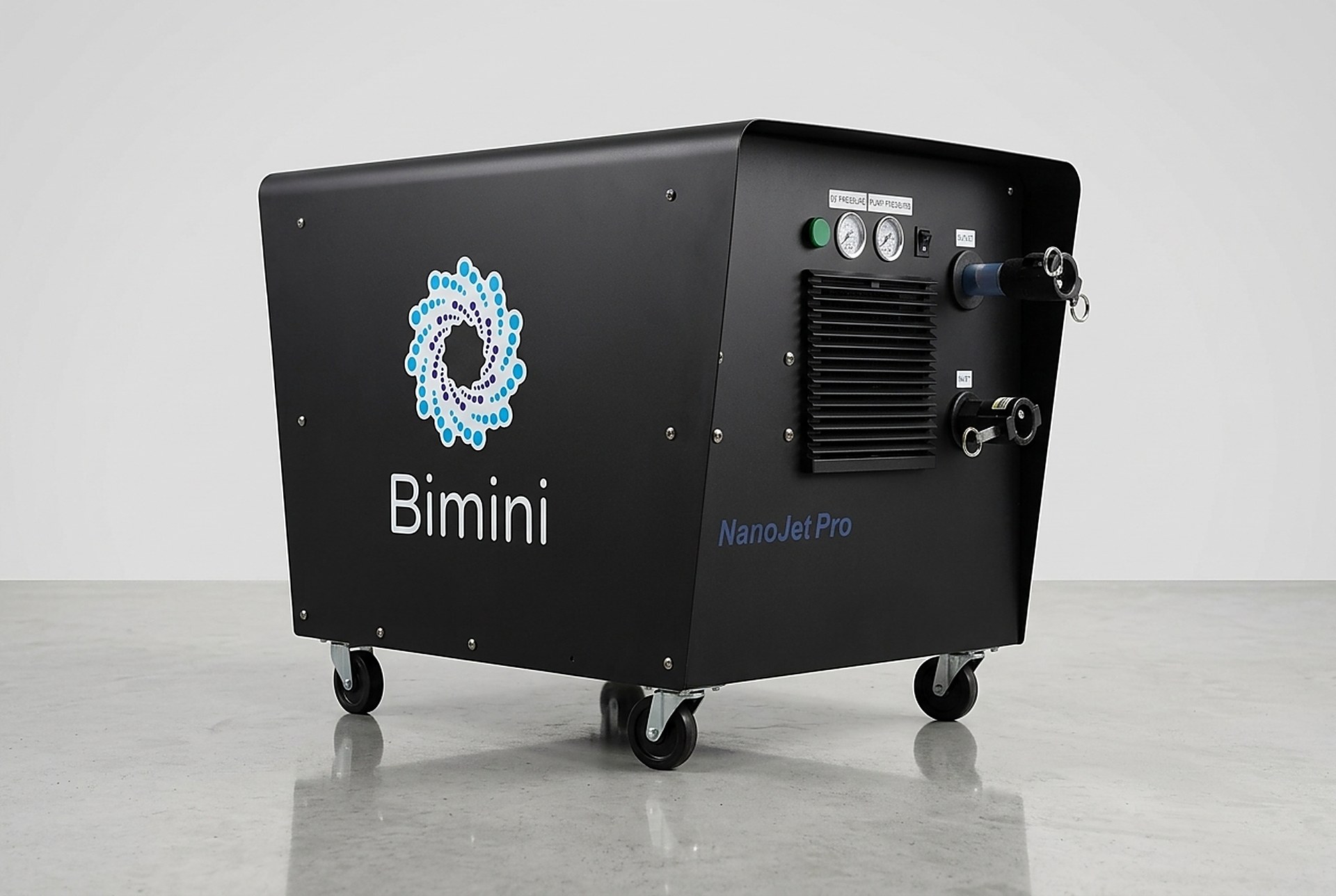
The NanoJet Eco is designed for home use in a standard bathtub. For professional facilities, the NanoJet Pro is a wheeled commercial system that integrates into training facility tubs. There's also an Integrated Recovery Tub with a built-in nanobubble generator for professional facilities.
Nanobubble immersion is a passive recovery modality—you soak while the system operates. Professional athletes and collegiate programs use nanobubble immersion as part of their recovery protocols.
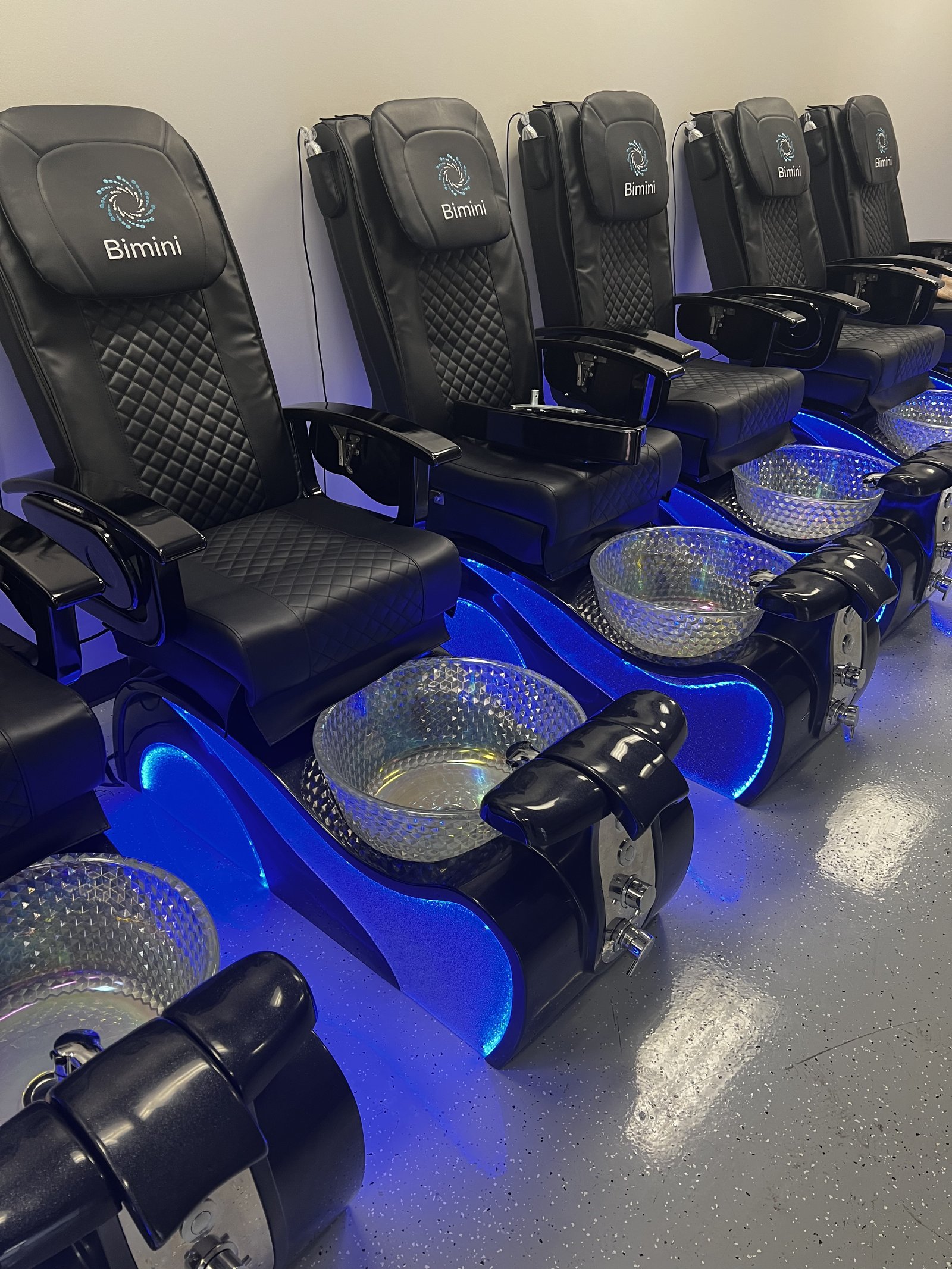
The HydroLounge is a seated foot-spa chair designed for lower-body immersion in a comfortable, seated position. It is used at training facilities where athletes cycle through multiple recovery modalities in one session.
Using Multiple Recovery Methods
Professional athletes use multiple recovery tools as part of their training routines. They select different modalities based on their training schedule and preferences.
A typical recovery session might include foam rolling or stretching, compression boots for 20 minutes, a massage gun session on specific areas, and warm-water immersion. This approach incorporates different recovery modalities into one session. For guidance on combining devices or creating a recovery routine, refer to each manufacturer's instructions and consult with your training staff or healthcare provider.
Sleep and Nutrition: Foundation for Recovery
Sleep and nutrition are important factors in your overall recovery approach. Professional athletes prioritize 7-9 hours of quality sleep and adequate nutrition as part of their training regimen.
Recovery equipment is one component of a comprehensive approach to training and recovery. Sleep and nutrition support your body's natural processes. Refer to your training program and healthcare provider for guidance on sleep, nutrition, and recovery strategies.
Choosing What's Right for Your Situation
If you're training seriously but on a budget, foam rolling and stretching are accessible options you can do independently.
If you have access to a training facility, ask what recovery equipment they offer. Compression boots, cold plunges, and saunas are common. You can explore how different modalities work for you.
If you're investing in your own recovery setup at home, biminihydrotherapy.com offers nanobubble systems that integrate into standard equipment. For information about specific products and how they may fit your recovery routine, refer to the manufacturer's instructions and specifications.
Whatever you choose, consistency with your recovery routine is important. A recovery approach you actually use regularly is more practical than equipment that is not used consistently.
What recovery equipment do professional athletes use most?
Compression boots, massage guns, foam rollers, and heat therapy systems (hot tubs or saunas) are common in professional training settings. Many programs incorporate multiple recovery modalities rather than relying on one tool. For information about specific equipment and how it may fit your recovery routine, refer to manufacturer instructions and consult with your training staff.
How often should athletes use recovery equipment?
Use frequency depends on your training intensity and the specific equipment. Refer to the manufacturer's instructions for each device regarding recommended use frequency. Consult with your training staff or healthcare provider for guidance on creating a recovery routine that fits your training schedule.
Is oxygen nanobubble therapy an option for serious athletes?
Oxygen nanobubble immersion is available as a recovery modality at various training facilities and for home use. For information about whether this equipment may be suitable for your situation, refer to the manufacturer's instructions and consult with your training staff or healthcare provider.
What role does recovery equipment play in training?
Recovery equipment is one component of a comprehensive training approach. Proper training programming, technique, adequate sleep, and smart load management are important factors in your overall training strategy. For guidance on how recovery equipment fits into your training plan, consult with your training staff or healthcare provider.
The At-Home Recovery System Used by Pro Athletes
Learn the science behind oxygen nanobubble therapy and how 58 named professional & Olympic athletes recover faster.
Related Bimini systems
Keep reading

Jason Applewhite · Founder, Bimini Hydrotherapy
Jason Applewhite is the founder of Bimini Hydrotherapy. He develops oxygen nanobubble recovery systems used in homes, gyms and training facilities, and works directly with the athletes and facility owners who use them, including Rice University Athletics, where the Sports Medicine department ran a pilot evaluation of the NanoJet.
Bimini products are wellness devices. They are not medical devices and are not intended to diagnose, treat, cure or prevent any disease. Talk with your doctor about any health condition.


